Your lunch starts at the market.
This Bucharest class is interesting because you’re not just watching food happen—you’re shopping for seasonal ingredients and cooking hands-on with a private guide in a local kitchen. I especially like how the menu stays traditional and specific: bulz (creamy polenta with Transylvania cheese) and papanași (fried dough with sweet cheese, then served with sour cream and jam). One thing to consider: the experience runs in a daytime window (11:00 AM–2:00 PM) and the dishes are real comfort food, so it’s best if you’re ready for a hands-on, eat-what-you-make kind of session.
You’ll be in the kitchen for about 2 hours 30 minutes, so plan on using that time fully. Bring your appetite—some groups even go as far as to say you should come hungry—and if you have allergies, you should mention them ahead of time since the hosts have experience accommodating them.
In This Review
- Key highlights at a glance
- Cooking in Bucharest: Why this feels like lunch with locals
- Where you meet in Bucharest (and what the timing really means)
- The market stop: Seasonal ingredients and practical food shopping
- Cooking bulz: Creamy polenta, Transylvania cheese, and the right kind of melt
- Papanași dessert: Fried dough done properly, then finished with sour cream and jam
- The meal you eat: More than just a snack
- English guidance, plus stories that make the food make sense
- Recipes you can actually use at home
- Price and value: Is $108.02 per person worth it?
- Who should book this class (and who might skip it)
- Before you go: small practical notes that help
- Should you book this Bucharest cooking class?
- FAQ
- What dishes will I cook during the class?
- Is this a private tour or shared group?
- Is the class offered in English?
- What is the duration of the cooking class?
- Where do I meet the guide?
- What time does the experience run?
- Will I receive recipes to make the dishes at home?
- Can I cancel and get a full refund?
- What happens if the weather is bad?
Key highlights at a glance
- Local market ingredient hunt before you cook, so your lunch starts with real grocery decisions
- Bulz, Romanian polenta style with creamy corn flour polenta and cheese from Transylvania
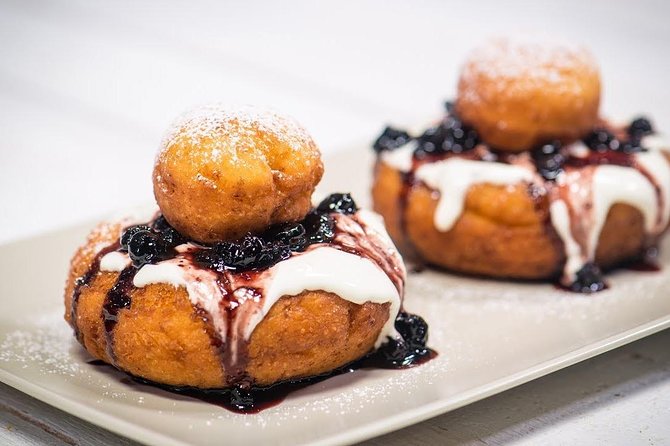
- Papanasi dessert class with sweet cheese dough, fried until golden, then served with sour cream + berry jam
- Private group experience—only your group participates
- English-speaking guide with story time about Bucharest and Romanian food while you cook
- Recipes sent to you after so you can recreate the dishes at home
Cooking in Bucharest: Why this feels like lunch with locals
If you’ve only done restaurant meals in Bucharest, this course changes the pace fast. You still get to eat deeply Romanian food—but you also learn why it tastes the way it does, from ingredient choices to the actual technique in the kitchen.
I like that the class is built around two dishes with very clear personalities. Bulz is rustic and hearty: creamy polenta, then cheese. Papanași is dessert-as-comfort: fluffy dough fried until crisp, then finished with dairy and jam. It’s the kind of setup where you get immediate results, not a long lecture before the fun part.
You can also read our reviews of more food & drink experiences in Bucharest

Where you meet in Bucharest (and what the timing really means)
You’ll start at Bloc 20A, Calea Rahovei 352, București 052034, Romania. The activity ends back at the same meeting point, so you’re not dealing with a cross-city maze after you’re done cooking.
The class operates between 11:00 AM and 2:00 PM. Since the duration is around 2 hours 30 minutes, you’ll want to treat this as a real “use most of your afternoon” activity. It’s also near public transportation, which matters because you may leave the kitchen a bit full and a bit slow-moving.
The market stop: Seasonal ingredients and practical food shopping
A big part of the experience is the visit to a local market to shop for seasonal ingredients. This isn’t just a scenic stroll. You’re learning what makes Romanian cooking taste local—how everyday ingredients show up in traditional dishes.
In Romania, market produce and dairy matter. The class uses that idea directly: you’ll pick ingredients that match the seasonal rhythm, then carry that into the cooking. One review detail that stands out is how some groups get to meet a farmer who comes to cook for locals once a week, which makes the whole market moment feel real rather than scripted.
If you want a head start at home, pay attention to what’s chosen and why. Even if you don’t buy anything extra, noticing ingredient textures—corn flour versus other corn products, or what cheese looks like in real life—helps when you try to cook later.
Cooking bulz: Creamy polenta, Transylvania cheese, and the right kind of melt
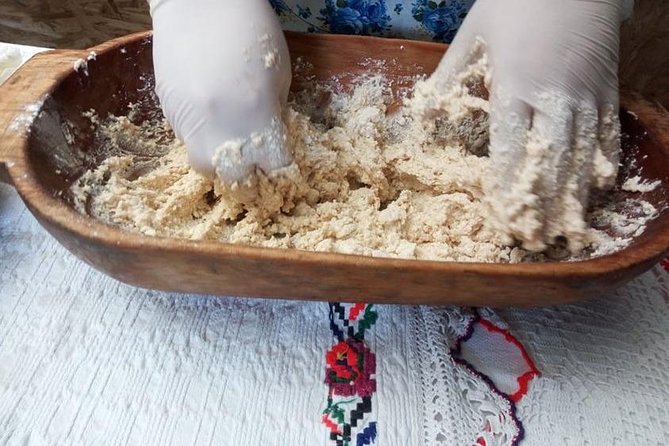
Your first dish is bulz, built around a creamy polenta base. You’ll make a polenta using corn flour, salt, and sour cream, then combine it with authentic cheese from Transylvania and melted cheese.
What I find smart here is the “sequence” of the dish. You’re not just mixing ingredients—you’re building a base (polenta), then adding cheese so it turns into that comforting, stretch-and-savor texture. It’s the kind of technique that’s hard to learn from a cookbook photo, but easy to remember once you’ve done it with your own hands.
During the process, your guide can explain the practical details you’d otherwise miss: how to get the polenta to the right consistency, and how cheese behaves once heated. One review also mentioned chatting through history and food context while cooking, and that sort of conversation sticks because you’re tasting along the way.
Papanași dessert: Fried dough done properly, then finished with sour cream and jam
Next comes papanași, often called one of Romania’s most famous desserts. You’ll make a fluffy dough from sweet cheese, eggs, flour, and a touch of cinnamon, then fry it until it turns golden and crispy on the outside.
This is a great choice for a class because you get both technique and payoff. Frying teaches you timing and heat control in a way you can actually feel. Then plating gives you the Romanian finish: sour cream plus strawberry or blueberry jam.
I also like that your dessert has options. You don’t get stuck with one flavor outcome. If you’re someone who likes to taste and compare, this lets you experience papanași as it’s commonly served—sweet, creamy, and warmly spiced.
You can also read our reviews of more tours and experiences in Bucharest



The meal you eat: More than just a snack
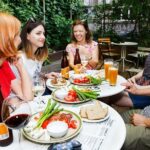
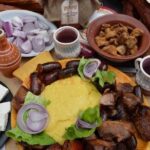
The experience is described as a homemade 3-course lunch, and the sample menu highlights your starter (bulz) and dessert (papanași). That usually means there’s additional food included beyond those two named items, so you’re not walking away hungry.
After cooking, you get to enjoy what you made. This is a key value point: you’re paying for the process and the meal, not just “the chance to cook.” And when the class is hosted by a welcoming couple, it tends to feel less like a cooking ticket and more like you’re being fed well in a real home setting.
Some groups also noted extra touches like special local drinks and bread. Even if those details vary slightly by day, the core promise stays the same: you cook, you eat, and you leave with full stomach satisfaction.
English guidance, plus stories that make the food make sense
The class is offered in English, and the hosts are fluent. That matters because Romanian food has a lot of small cultural cues—ingredient traditions, regional styles, and the “why” behind how dishes are built.
From what you can expect in the kitchen, the guide talks as you cook. Reviews mention conversation about Bucharest and Romanian history, plus a chance to practice Romanian language skills. If you’re the type who likes to learn a few phrases and use them immediately, this is one of those activities where language and food belong together.
Recipes you can actually use at home
A big practical win: you get the recipes so you can recreate the dishes later. One review specifically mentioned getting recipe copies by email and that the ingredients were explained in a way that makes it easier to find similar items in the USA.
That’s huge value because many cooking classes stop at the moment. Here, you’re buying skills you can repeat. Even if your first attempt isn’t perfect, bulz and papanași are both built from ingredients most home kitchens can source.
If you want to succeed quickly at home, focus on two things:
- Get the cheese and sour cream balance right for the final texture
- Respect frying time for papanași so you get that golden outside
Price and value: Is $108.02 per person worth it?
At $108.02 per person for roughly 2.5 hours, the price isn’t “budget,” but it also isn’t just for a seat at a table. You’re paying for:
- market shopping for seasonal ingredients
- hands-on cooking instruction
- a private format where only your group participates
- a full homemade meal (described as a 3-course lunch)
- recipes afterward
The private-group angle is the biggest driver of value. If you’ve ever been stuck in a large class where you’re watching more than cooking, this model aims to keep you active. And because the hosts are described as warm and welcoming, the class tends to feel like a real host-led experience rather than a timed production line.
Who should book this class (and who might skip it)
This is a great fit if you want:
- traditional Romanian food made hands-on
- a market-to-table experience in Bucharest
- a smaller, private feeling tour with English support
- recipes you can repeat later
You might want to consider another option if you’re not into cooking with dairy-forward dishes or if you dislike frying. It’s also not the best choice if your schedule is tight and you can’t spare a half-day block during 11:00 AM–2:00 PM.
If you’re traveling with kids, one review called out that it worked well and was fun for the family—so long as your household enjoys cooking smells and tasting as you go.
Before you go: small practical notes that help
Come prepared to get involved. Even if you’re not a confident cook, the class setup is designed for learning-by-doing, and the hosts answer questions.
Also:
- If you have allergies, mention them so the hosts can accommodate you.
- Go with a full plan for the day afterward: you’ll likely feel fed, so keep dinner lighter or plan a slow walk afterward.
- Weather can matter. The experience requires good weather, and if it’s canceled due to poor weather you’ll be offered another date or a full refund.
Should you book this Bucharest cooking class?
Yes—if you want a meal that teaches you something, not just a meal you eat and forget. The combination of market shopping, hands-on Romanian technique, and a private group format makes it feel like you’re doing Bucharest the way food locals do it: through ingredients first, then process, then a table full of what you made.
Book it especially if:
- you like traditional dishes with clear steps (bulz and papanași are perfect for that)
- you want recipes afterward so your trip keeps working after you fly home
- you prefer smaller, personal experiences over big-group tours
If your idea of travel is mostly sightseeing and you don’t want to spend the day cooking, then skip it. But if you like being in the kitchen for real—this is the kind of class that leaves you with both full bellies and new skills.
FAQ
What dishes will I cook during the class?
You’ll cook two traditional Romanian dishes: bulz (a creamy polenta with Transylvania cheese) and papanași (sweet cheese dough fried until golden, served with sour cream and strawberry or blueberry jam).
Is this a private tour or shared group?
It’s a private tour/activity, meaning only your group participates.
Is the class offered in English?
Yes, the experience is offered in English.
What is the duration of the cooking class?
The class lasts about 2 hours 30 minutes.
Where do I meet the guide?
You meet at Bloc 20A, Calea Rahovei 352, București 052034, Romania, and the activity ends back at the same meeting point.
What time does the experience run?
The opening hours are Monday through Sunday, from 11:00 AM to 2:00 PM.
Will I receive recipes to make the dishes at home?
Yes. You get recipes so you can prepare the dishes later at home.
Can I cancel and get a full refund?
Yes. Free cancellation is available, and you can cancel up to 24 hours in advance for a full refund.
What happens if the weather is bad?
The experience requires good weather. If it’s canceled due to poor weather, you’ll be offered a different date or a full refund.