REVIEW · BUCHAREST
Private Bucharest: History & Food with Traditional Meal
Book on GetYourGuide →Operated by Intrepid Urban Adventures - Europe · Bookable on GetYourGuide
History shows up in your lunch. This private 4-hour Bucharest tour strings together Revolution Square to Old Town, and I like how the first snack, a covrig, nudges you from today’s cravings into the city’s bigger story.
I’m also a fan of the one-on-one feel. With guides such as Elaina, Ioanna, and Andra showing up in real feedback, you get patient pacing, clear answers (food-related and otherwise), and lots of time to look closely at architecture instead of speed-walking past it.
One caution: the tasting side is mostly built around the final sit-down meal. After that initial covrig moment, if you’re expecting a long chain of extra snack stops, you may find the included food feels more like a proper meal than a constant sampling parade.
In This Review
- Key takeaways before you go
- Revolution Square: where the city’s modern story starts
- Victory Street and interwar Bucharest: power dressed in stone
- Old Town passageways: where food becomes a map of empires
- People’s Palace: why one building can change a city
- The traditional hanu meal: your three-course finish with local drink
- Price and value: is $140 per person worth it?
- Who should book this tour (and who might not)
- So, should you book the Private Bucharest history and food tour?
- FAQ
- Where is the meeting point?
- How long is the tour?
- What does the tour cost?
- What food and drinks are included?
- Is the tour private, and is it in English?
- Is the tour carbon neutral?
- Can children join?
Key takeaways before you go
- Revolution Square to People’s Palace in one smooth loop of 20th-century turning points
- Covrig first, then context: snack as a doorway into cuisine history
- Old Town street-walking through Ottoman, Russian, and Austro-Hungarian food influences
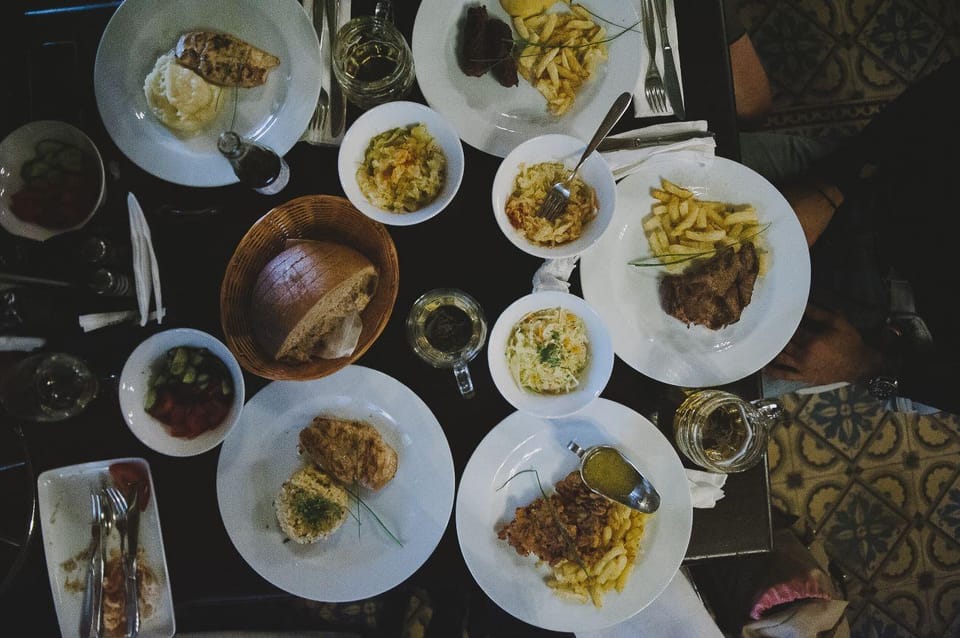
- Three-course traditional meal at a hanu with house wine/beer or a soft drink included
- Private pacing with English-speaking guides known for handling questions and kids well
- Carbon neutral tour run by an eco-certified, B Corp certified operator
Revolution Square: where the city’s modern story starts
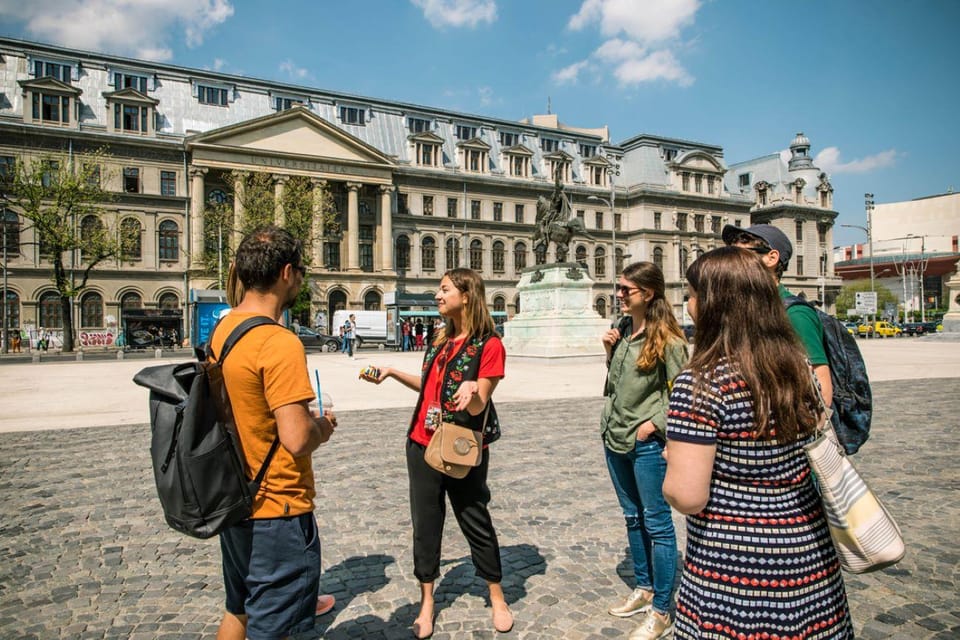
You meet at the Equestrian Statue of Carol I, then start your day in Bucharest’s political center: Revolution Square, once called Palace Square. This is where the 1989 revolution flipped the script. Ceausescu’s rallying speech is the kind of moment you can’t easily un-know once your guide puts it in place.
This stop matters for food, not just facts. Romanian cuisine didn’t form in a vacuum. It absorbed tastes and techniques from whoever had power at the time, and Revolution Square is a sharp reminder that governments change fast—while daily life keeps eating, drinking, and adapting.
I like that the tour gives you a quick, practical first taste: you’ll try a covrig, a salty daily snack for many Romanians. The idea here isn’t that one bite explains a whole country. It’s that it connects you to everyday culture before you move into bigger, heavier history.
You can also read our reviews of more food & drink experiences in Bucharest

Victory Street and interwar Bucharest: power dressed in stone

Next you head south along Victory Street, named for the 1871 War of Independence. It’s a good route for your brain, too. You can actually feel the layers: independence here, unity later, and then the long interwar years when Bucharest’s architecture got a very international look.
Your guide will point out landmarks that shaped the feel of the city between the wars, including the Telephone Palace, the Military Circle, and the former National Theatre. Even if you’re not an architecture super-fan, these buildings give you something important: a sense of why Bucharest’s food tastes can’t be pinned to one origin.
One of my favorite “slow down” moments on this stretch is Kretzulescu Church. It’s one of the most famous churches in Bucharest, and the tour uses it to connect religion, culture, and neighborhood identity. It’s also a helpful reset after political history—your eyes get to rest on details instead of dates.
If you care about why some dishes feel sweet, earthy, or spicy depending on region, this is where the tour starts making that argument. The city may look European, but the cuisine map is still regional: Moldova often leans sweet, Transylvania often reads earthy, and Muntenia tends to feel spicier. You don’t just hear it—you carry it into the next neighborhoods.
Old Town passageways: where food becomes a map of empires
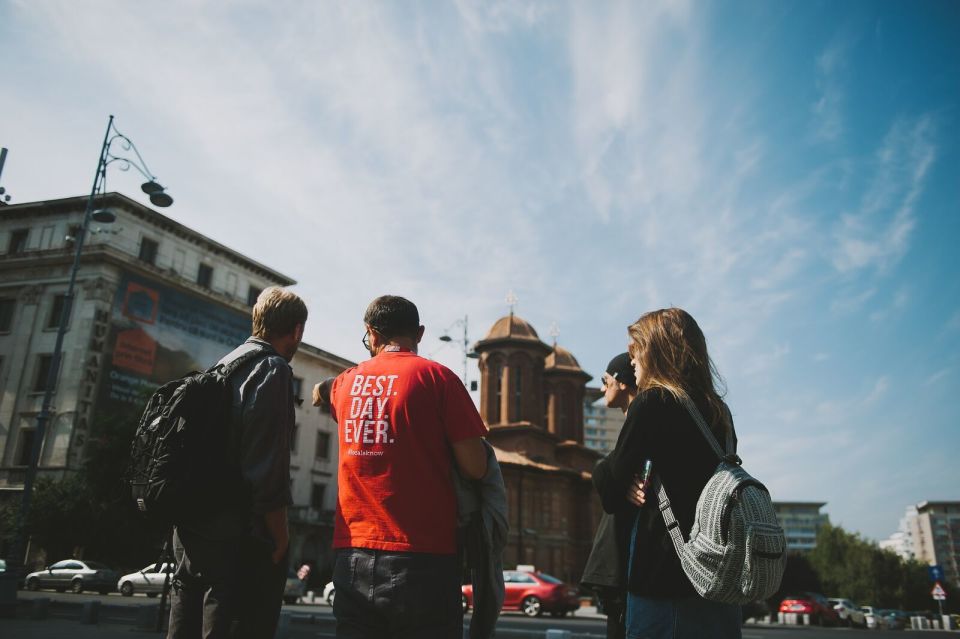
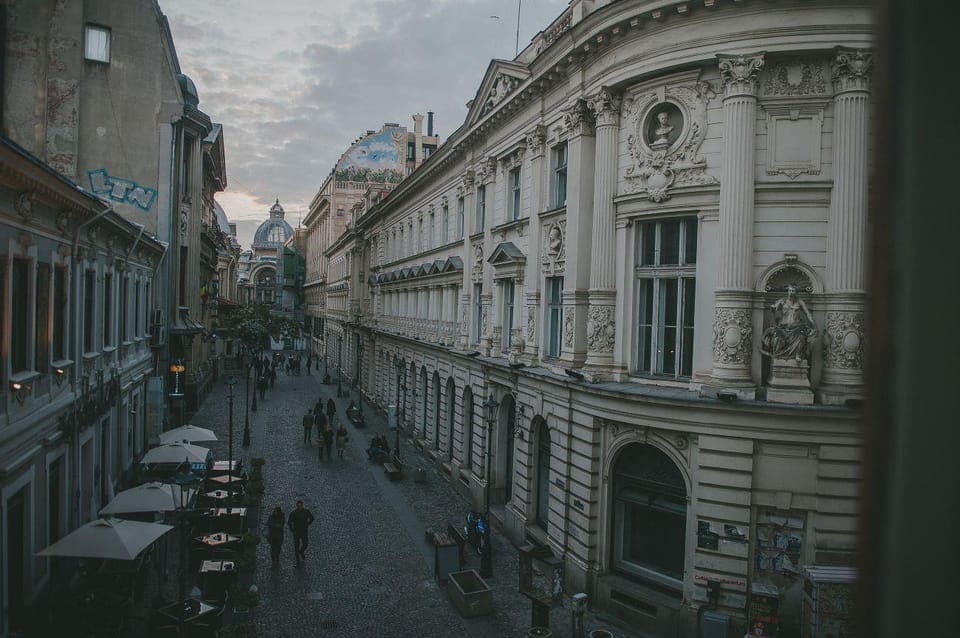
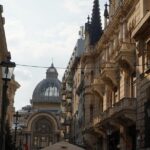
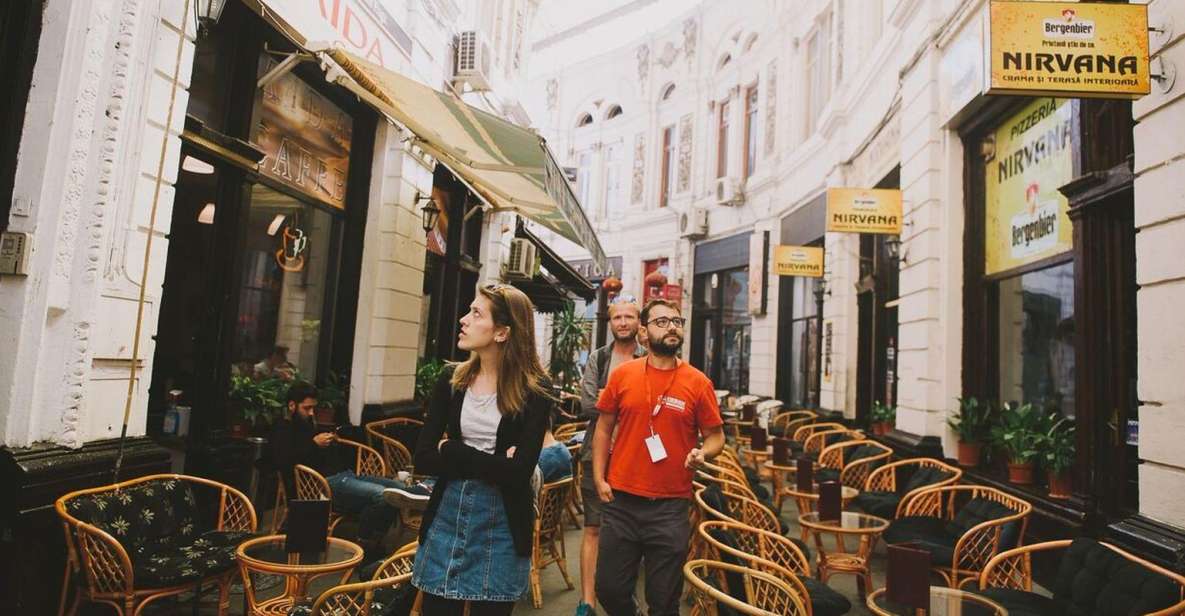
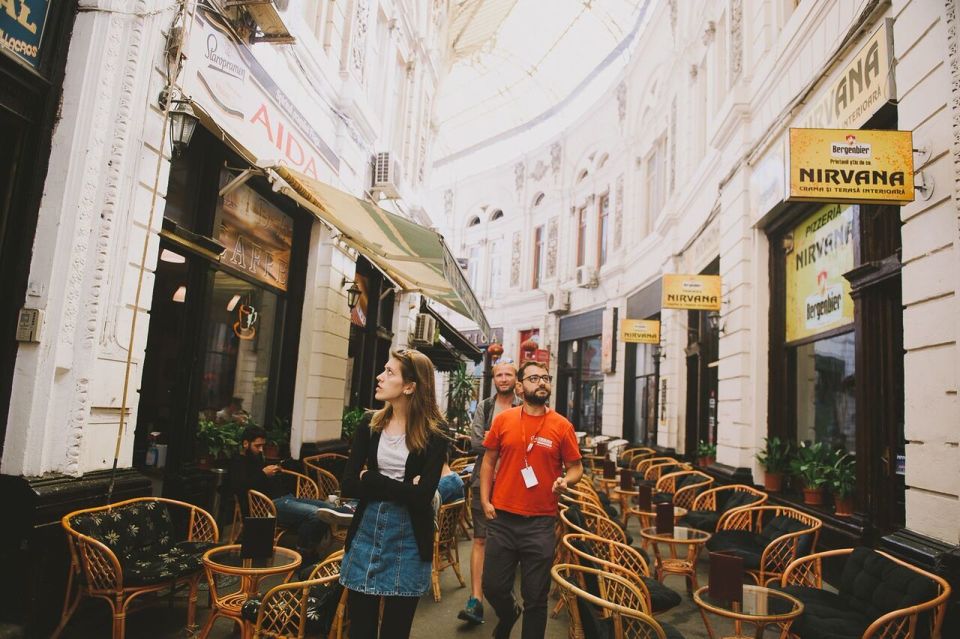
Then comes the part you’ll actually remember in your legs: wandering into older Bucharest and exploring Old Town’s paths and passageways. This is the literal crossroads between East and West the tour is going for, and it shows up in both the streets and the stories.
The Old Town framing is simple and useful: Ottoman pashas rubbed shoulders with Transylvanian princes, and churches and mosques could sit side by side. Once you hear that, it’s easier to understand why Romanian food reads like a conversation between neighbors rather than a sealed-off tradition.
Here’s where the tour turns cuisine into a kind of “food math.” You’ll get examples of the influences you’ll hear reflected in Romanian plates and flavors, including:
- mici, those Balkan-style skinless sausages
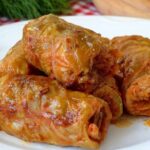
- sarmale, stuffed cabbage leaves with Ottoman-era roots
- borscht and ciorba, sour soups with Russian ties
- schnitzel, an Austro-Hungarian style classic
What I like about this approach is that it doesn’t force you to pick one “origin story.” Instead, it teaches you to notice how dishes travel and transform. That’s a big deal if you’re trying Romanian food for the first time, because it helps you taste with context.
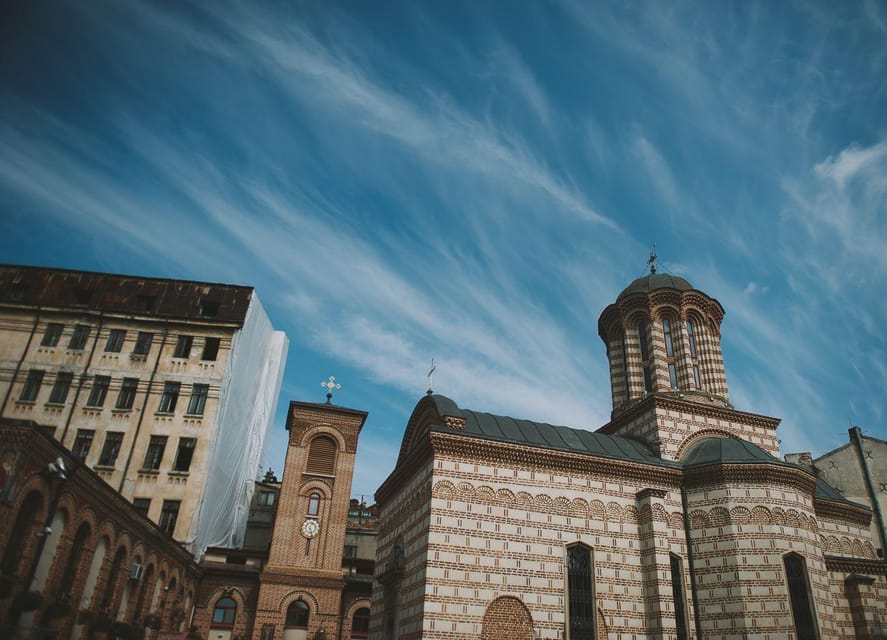
Old Town also gives you the quiet side of Bucharest: the tour mentions the calm of an orthodox monastery and visits places like Hanul Lui Manuc, a famous wooden inn. Even if you only catch glimpses from the street, these stops help you slow down and see Bucharest as more than a set of photo targets.
People’s Palace: why one building can change a city

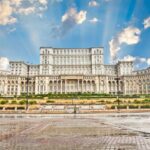
On the way to the final meal, you’ll look at the People’s Palace, Ceausescu’s megaproject and the second-largest building in the world, behind the Pentagon. The tour doesn’t treat it like a random landmark. It frames the palace as a symbol of megalomania and wasted direction—something that still affects how the city feels today.
This stop is valuable because it explains a pattern you see in many post-communist capitals: big decisions were made at the top, while daily life had to keep moving. That contrast is also why people still eat familiar comfort foods while the city’s public spaces changed around them.
Even if you don’t get inside, the views and scale can be enough. Your guide will help you read the site as a historical consequence, not just a photo. If you’re sensitive to intense political stories, just know this is one of the heavier moments of the walk.
The traditional hanu meal: your three-course finish with local drink
The tour ends at a traditional hanu, an inn that’s considered one of the most charming places in Bucharest. This is not a quick snack stop. You sit down for a three-course traditional Romanian meal, with platters of local delicacies that act like a taste tour of the region.
The included drink options are house beer or wine, or a soft drink. That’s practical because it lets you focus on the food instead of doing mental math every time you want a refill. It also means you can pick what matches your day—beer if you want something casual, wine if you want a more classic pairing feel.
You’ll hear a story tied to ancient Dacians: they drank so much wine that their leader Burebista reportedly banned its production, so they pivoted to beer. Whether you treat that as legend or cultural memory, it works as a neat theme for your meal. It gives your final plate an arc, not just a random end.
If you’re a food-first traveler, remember how the day is built. There’s a covrig early for that everyday local hit, then the real payoff is the full meal at the end. One reviewer noted the description suggested more food items than what was ultimately served beyond the three-course structure. So go with the expectation of a proper meal at the finish, not a long list of separate tastings.
Still, the meal hits the right note for value. You’re paying for four hours of a guided route plus a full sit-down dining experience, including a beverage. For first-time visitors, it’s an efficient way to avoid juggling lunch reservations while also seeing the city’s big story beats.
You can also read our reviews of more tours and experiences in Bucharest


Price and value: is $140 per person worth it?
At $140 per person for a 4-hour private tour, you’re not buying a budget walking tour. You’re buying time, guidance, and a meal bundled into one plan.
Here’s where the math starts to make sense:
- You get a private group format, which usually means fewer compromises and more room for questions.
- You get a full three-course Romanian meal plus house beer or wine (or soft drink).
- You get a focused route through the city’s major historical themes, from 1989 to the interwar era to Old Town influences.
- The operator states the tour is carbon neutral and run by an eco-certified, B Corp certified company—so you’re not ignoring sustainability entirely.
If you’re traveling with someone who likes history but also wants to eat well, this setup can feel like a win. Two separate activities—guiding plus lunch—often cost more than you expect once you add up time, coordination, and restaurant decisions.
The only time I’d pause is if your top priority is constant street-snack sampling for many hours. Based on feedback, the included food is designed as a full meal, not a long sequence of tiny tastings.
Who should book this tour (and who might not)
This is a strong fit if:
- it’s your first time in Bucharest and you want the city’s timeline without getting lost
- you like your food stories explained through place and historical influence
- you want a calmer experience than a big group walk
- you’re traveling with kids and appreciate guides who can keep things paced and friendly (feedback highlighted that strength, including for an 8-year-old)
You might think twice if:
- you’re expecting lots of separate food tastings beyond the covrig and the three-course meal
- you prefer very light history and mostly photos, because the People’s Palace and Revolution Square segments carry weight
So, should you book the Private Bucharest history and food tour?
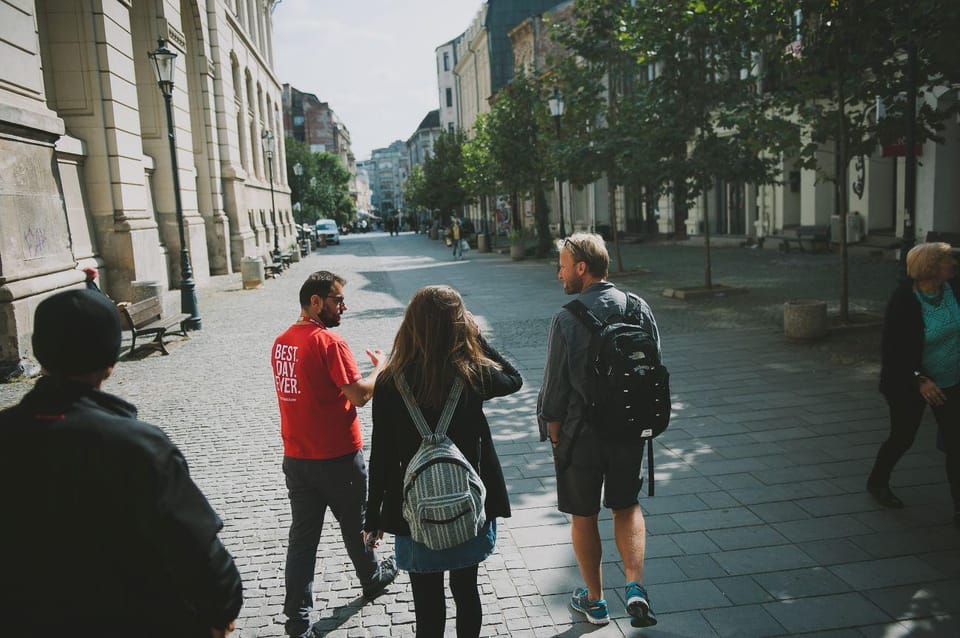
If you want Bucharest in one day that includes both the big moments and the forkfuls, I’d book it. The route makes sense, the pacing is designed for a guided walk, and the traditional hanu meal is built to land as the payoff.
Go into it with one clear expectation: you’re getting a history-and-food story arc with one early local snack and a full three-course meal at the end. If that fits your style, this is a smart, efficient way to get your bearings fast—and leave with flavors that actually match what you saw on the streets.
FAQ
Where is the meeting point?
You’ll meet at the Equestrian Statue of Carol I, Sector 1, Bucharest 030167, Romania.
How long is the tour?
The tour runs for 4 hours.
What does the tour cost?
The price is $140 per person.
What food and drinks are included?
You’ll have a three-course traditional Romanian meal, plus house beer or wine, or a soft drink.
Is the tour private, and is it in English?
Yes, it’s a private group, and the live guide speaks English.
Is the tour carbon neutral?
The tour is described as carbon neutral and is organized and led by an eco-certified tour operator.
Can children join?
Yes. Children under age 6 are permitted free of charge, but you need to inform the supplier at booking.