REVIEW · BUCHAREST
Private Tour: Story of Communism in Bucharest
Book on Viator →Operated by Yolo Tours Romania · Bookable on Viator
Communism leaves fingerprints you can follow. On this private Bucharest tour, I like the guided visit to the Palace of the Parliament and I especially like the trip to the Targoviste military base museum linked to the 1989 Christmas Eve executions; it turns dates into places you can stand in. One watch-out: entrance and photo fees aren’t included, so budget a little extra and start early with a clear head.
You’ll be picked up at your central Bucharest hotel and travel in a comfortable air-conditioned car or minibus, then return at the end of the day. It’s structured, timed, and focused, which is great if you want an organized story without planning the driving yourself.
In This Review
- Key Things You’ll Notice on This Private Communism Tour
- A Communism Day That Actually Has a Route
- Starting With Targoviste: The 1989 Executions Still Have Weight
- Targoviste Military Base: What You’re Really Visiting
- The Palace of the Parliament: Romania’s Power Building, Up Close
- Revolution Square: Where the 1989 Uprising Took Form
- Communist-Era Neighborhoods: Apartment Blocks as Evidence
- Photo Gallery Stop: The Memorial to the Victims of Communism and Resistance
- Timing, Comfort, and What Costs Extra
- How Much Value Is This Private Price?
- Who Should Book This Tour (and Who Might Skip It)
- Should You Book the Story of Communism in Bucharest?
- FAQ
- How long is the private tour?
- What time does the tour start?
- Is hotel pickup and drop-off included?
- Is this a private tour?
- What stops are included during the day?
- Are entrance fees, photo fees, and lunch included?
- What language is the guide?
- How is transportation handled?
- What happens if I cancel?
Key Things You’ll Notice on This Private Communism Tour
- Targoviste execution-site museum: former barracks turned public history space
- Palace of the Parliament access: you get inside the building built to project power
- Revolution Square focus: where the 1989 Revolution began and where the memorial sits
- Communist-era housing views: socialist apartment blocks outside the city center
- Hotel pickup and drop-off: fewer logistics, more time on the ground
A Communism Day That Actually Has a Route
This is the kind of Bucharest tour that makes you feel the timeline instead of just collecting monuments. The day moves with intent: you start with the hard reality of the 1989 executions, then you shift to the political machine that produced them, and you end with the everyday face of communist city life in Bucharest’s housing blocks.
That structure matters. If you only visit one famous spot, communism can feel like a museum topic—safe, distant, and tidy. Here, you’re connected to the system: punishment, propaganda-style architecture, then the neighborhoods ordinary people lived in.
You’re also traveling with a dedicated guide (English-speaking) and a car or minibus, so questions don’t get squeezed into a quick stop. In a private format, you can spend an extra minute asking why a place was used the way it was, instead of racing the clock.
You can also read our reviews of more private tours in Bucharest

Starting With Targoviste: The 1989 Executions Still Have Weight
You leave Bucharest for about 1.5 hours to reach Targoviste, a small town in south-eastern Romania. It became globally known because Nicolae Ceausescu and his wife Elena were executed there in 1989, after a very short trial.
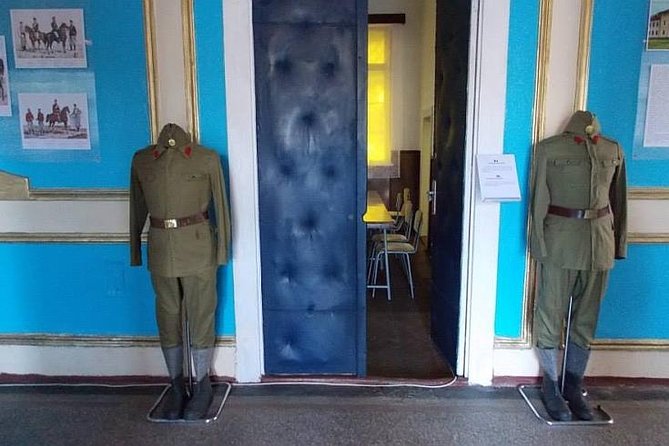
The stop is more than a historical footnote. The former military barracks used by the regime were turned into a public museum you can visit. That change—from a functional place of control to a space for memory—feels like the day’s emotional hinge.
Practical takeaway: plan to slow down here. Even if you’re not into politics, this stop lands because it deals with the people affected by the regime, not just the rulers. You’ll likely want time to read, look at photos, and absorb the context your guide provides.
Potential drawback to consider: this is serious material. If you’re hoping for a light, casual sightseeing day, this part may feel heavy. It’s still well worth it for understanding Romania’s modern history.
Targoviste Military Base: What You’re Really Visiting
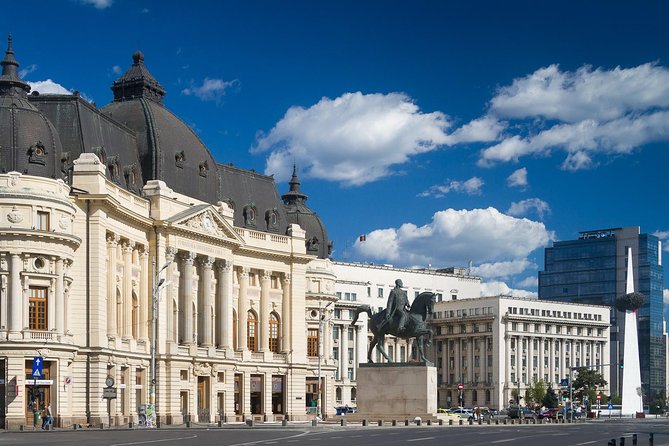
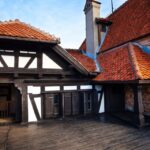
At Targoviste’s military base, the story centers on the location where Ceausescu and Elena were shot after that brief trial. Because it’s a museum in former barracks, you’re not walking through an abstract exhibit—you’re moving through a place with built-in atmosphere.
That physical setting matters. Barracks were designed for order, hierarchy, and control. So when you learn how the executions played out there, the building helps explain the mood of the moment. A guide’s narration keeps the facts connected, while the rooms and layout make it feel real.
What I like about this part of the day is the balance between dates and human impact. The overall tour description points to the victims of the 1989 Christmas Eve executions, so the memory isn’t only about the dictator’s end. You’re meant to understand what happened to the people caught in the collapse of the regime.
If you’re the type who remembers stories best through concrete landmarks, this is the best anchor stop on the whole itinerary.
The Palace of the Parliament: Romania’s Power Building, Up Close
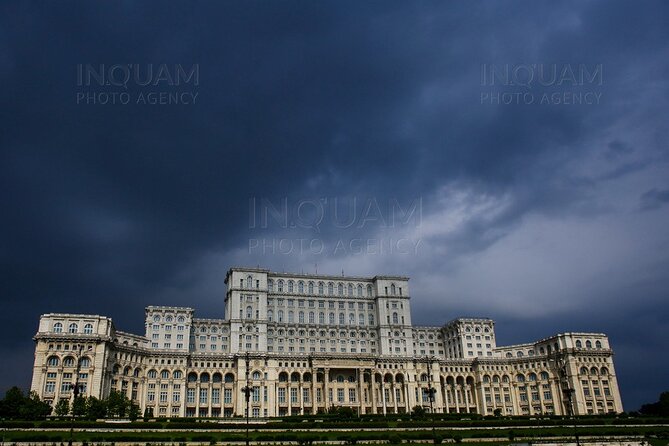
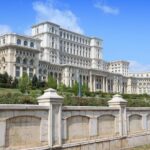
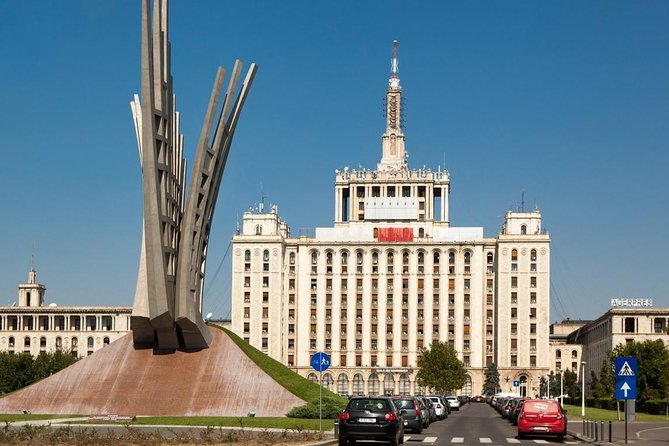
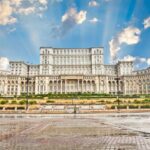
Back in Bucharest, the day pivots to one of the most dramatic political structures in Europe: the Palace of the Parliament. It’s described as the second largest building in the world after the Pentagon, and even if you’ve seen photos, the scale can surprise you.
This stop is special because you don’t just look from outside. You get to take a tour inside. The palace was designed and nearly completed by the Ceausescu regime as the seat of political and administrative power. Ceausescu named it the House of the Republic, but many Romanians call it the People’s House.
That name difference is worth noticing. Your guide will help you see how language and naming were used as political messaging—how rulers try to control the story by controlling what things are called.
Why I think this works in a private format: the palace can be overwhelming. It’s huge, and it can become a blur of grand rooms if you don’t have someone to connect what you’re seeing to the regime’s goals. With a dedicated guide, you can ask questions that turn the architecture into meaning.
Possible trade-off: palace visits involve extra time and extra costs. Entrance and photo fees aren’t included, so you’ll want to plan for that. Also, this is still a weekday-style attraction on top of a history tour—so wear comfortable shoes and expect to do more walking than you might think.
Revolution Square: Where the 1989 Uprising Took Form
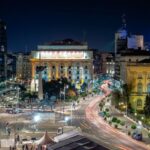
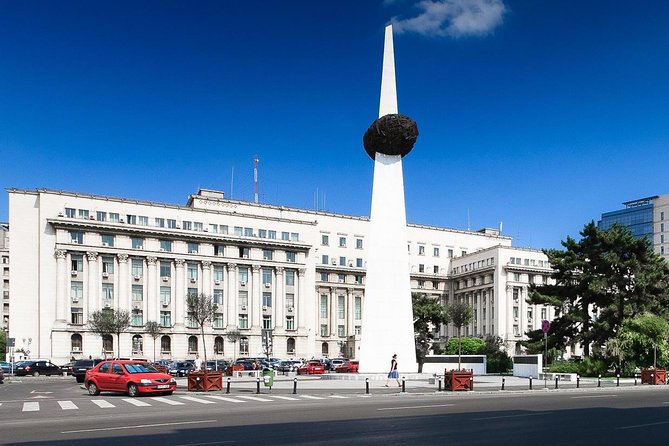
Revolution Square is where the story gets louder. The tour takes you to the area with the former communist offices of Ceausescu and to the site where the 1989 Revolution started in Bucharest.
This is one of those places where the meaning doesn’t come from a single monument. It comes from the overlap: political offices nearby, the revolutionary start point, and the memorial elements that keep the focus on those who died fighting for freedom.
You’ll see a memorial plaque with the names of people who died, plus a monument honoring them. That’s a key difference from a lot of “dictator history” tours. Here, the emphasis stays on resistance and sacrifice, not just on the leaders and their control.
What I’d do as a visitor: stand quietly for a moment in the memorial area and let the names sink in. Even a brief pause makes the facts feel more personal. Then listen for how your guide connects this square to what you saw at Targoviste—the way political control and public rebellion were linked during the collapse of the regime.

Communist-Era Neighborhoods: Apartment Blocks as Evidence
After the big, symbolic sights, you’ll drive through communist-era neighborhoods. This is a smart inclusion because communism wasn’t only about palaces and trials. It shaped daily life—especially housing.
You’ll get a glimpse of old socialist Bucharest by passing through the areas of communist apartment buildings outside the city center. You’re not expected to tour homes or neighborhoods in the way you might on a food or walking tour. But even from the car, the building styles and layout show how mass housing and state planning influenced everyday life.
This part works best if you keep a simple question in mind: what did people need from the state, and what did the state decide for them? Your guide’s explanations help you connect the apartment blocks to the broader political system you learned about earlier in the day.
Tip: have your camera ready, but also be ready to look first. The most useful “photos” here might be the ones you take mentally—windows, facades, and how buildings are arranged.
Photo Gallery Stop: The Memorial to the Victims of Communism and Resistance
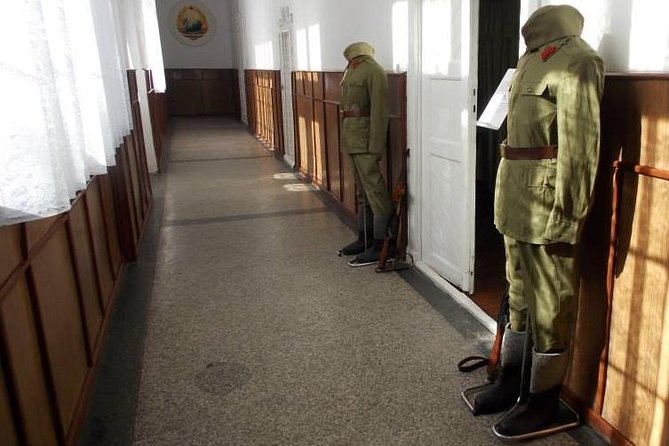
The itinerary also includes a photo gallery called the Memorial to the Victims of Communism and Resistance. This stop adds something important: it shifts from architecture and public squares into personal stories presented through photographs.
Even if you only spend a short time here, it gives your brain somewhere to land after big-scale sites. Numbers and dates feel abstract; photos and captions make them human.
Practical note: because entrance and photo fees are not included, you may have to pay at the site depending on the rules. If you’re someone who likes to take lots of pictures, bring a plan—camera charged, storage ready, and a few extra expenses understood.
Timing, Comfort, and What Costs Extra
This tour runs about 8 hours, starting at 7:30 am, with pickup offered from your central Bucharest hotel and return drop-off afterward. That early start is useful because it gives you daylight for Bucharest driving and keeps the day from turning into an end-of-day rush.
You’ll also have a long but manageable travel segment: roughly 1.5 hours between Bucharest and Targoviste each way, plus time at the main stops. Because the route is tight, I’d treat this day like an intentional outing, not like something you can easily stack with other plans afterward.
Included:
- hotel pickup and drop-off
- transportation by comfortable air-conditioned car or minibus
- English-speaking guide
- assistance throughout the trip
Not included:
- entrance and photo fees
- lunch
So if you’re planning snacks, water, or lunch options, do it intentionally. You’ll save stress by assuming you need to cover lunch yourself.
One more practical caution: communication needs to be correct for pickup days. A bad phone number can cause real headaches, so confirm the contact details tied to your booking and keep your phone accessible before the morning pickup.
How Much Value Is This Private Price?
At $111.32 per person, the price isn’t the cheapest way to learn about Romania’s communist past. But the value isn’t just “a guide talking at you.” The cost covers a private day built around a specific route that includes the drive to Targoviste, the hotel pickup and return, and guided visits through major sites in Bucharest.
Where it’s a strong value:
- You want a dedicated car for an out-of-town stop to Targoviste.
- You like having explanations timed to what you’re seeing.
- You’d rather not fight with signage, schedules, or transit routes on your own.
Where it might not fit:
- If you’re traveling ultra-budget and already plan to do your own transportation to the sites, you might compare ticket prices and transit costs.
- If the subject matter feels too intense for your travel mood, you might prefer a lighter architecture-focused tour.
Also, the tour is booked about 32 days in advance on average, which suggests demand for this specific topic and route. If you’re traveling in peak season or on a limited schedule, earlier planning can help.
Who Should Book This Tour (and Who Might Skip It)
This tour is best for you if:
- you want a clear storyline connecting communism’s power and its end in 1989
- you’re curious about how Romania’s capital reflects the regime’s planning through its buildings and neighborhoods
- you like private guidance so you can ask questions as you move between stops
It’s less ideal if:
- you want a relaxed sightseeing day without heavy subject matter
- you don’t want to handle lunch and possible entrance/photo fees
- you dislike early mornings and long car rides
One clue about guide quality is the way specific names show up with strong praise—people like Diana and Claudio are associated with well-prepared explanations, and driver Cristian is credited with making the day run smoothly alongside a guide such as Christian. That combination matters: a calm, organized driver plus a guide who can explain the “why” makes the whole day feel coherent.
Should You Book the Story of Communism in Bucharest?
Yes, if you want understanding, not just photos. The route makes sense: execution-site memory in Targoviste, the regime’s power building in Bucharest, then the revolution’s starting point and the housing shaped by the system. That’s a rare combination in one day.
Before you book, do two quick things:
- Set aside extra budget for entrance and photo fees, plus lunch.
- Confirm your contact details for pickup so the morning run goes smoothly.
If those points fit your style, this is a strong private day that turns Romania’s 20th-century story into places you can actually stand in.
FAQ
How long is the private tour?
It runs for about 8 hours.
What time does the tour start?
The start time is 7:30 am.
Is hotel pickup and drop-off included?
Yes. The tour includes hotel pick-up & drop-off.
Is this a private tour?
Yes. It’s a private tour/activity with only your group participating.
What stops are included during the day?
You’ll visit Targoviste (including the military base museum) and then return to Bucharest for the Palace of the Parliament, Revolution Square, and communist-era neighborhoods, plus a photo gallery memorial stop.
Are entrance fees, photo fees, and lunch included?
No. Entrance & photo fees are not included, and lunch is not included.
What language is the guide?
The guide is English-speaking.
How is transportation handled?
You’ll travel by comfortable air-conditioned car or minibus as part of the tour.
What happens if I cancel?
This experience is non-refundable and cannot be changed for any reason.