REVIEW · BUCHAREST
3 Days UNESCO Tour of Transylvania. Private tour from Bucharest
Book on Viator →Operated by Visit Transilvania Travel · Bookable on Viator
Vampire stories fade once the stonework starts.
This private 3-day Transylvania tour trades vague Dracula clichés for UNESCO-listed churches and medieval towns, with a comfy car ride through the Carpathians from Bucharest. You also get the practical rhythm of a planned route: guided visits, focused stops, and the kind of pace that lets you actually look at details instead of just ticking boxes.
I especially love two things: a guide-led day-to-day flow and the fact that you get a real sense of where Saxon communities built their world. The praised guides here include David and Adrain Ene, and they’re described as warm, prompt, and full of context, from church design to local food pointers. Second, the schedule is built around staying overnight in Sighișoara, so you experience the medieval streets with fewer day-trippers and more atmosphere.
One consideration: several of the major sites show as admission not included in the program details (for example Prejmer, Viscri, Bran, and possibly Peles). That usually means a little on-site budgeting, even if the tour is otherwise trying hard to prevent surprises.
In This Review
- Key highlights to watch for
- 3 Days UNESCO Tour of Transylvania: what this private format delivers
- Day 1 from Bucharest to Sighișoara: fortified churches, Saxon villages, and medieval streets
- The Prahova River Valley drive to Transylvania
- Prejmer Fortified Church: defense built into religion
- Viscri Fortified Church: Saxon village life preserved
- Rupea Fortress sighting en route
- Saschiz Church and the “Giants castle” fortress legend
- Sighișoara historic center: the best place to sleep
- Day 2: Biertan fortified church, Sibiu squares, and Alba Iulia’s Roman-to-Union timeline
- Biertan Fortified Church: a trade center and bishop HQ
- Sibiu old town: squares, towers, and church variety
- Alba Iulia: Apulum roots, fortifications, and the Union story
- Day 3 back toward Bucharest: Bran Castle lore, Brasov’s Saxon core, and optional Peles
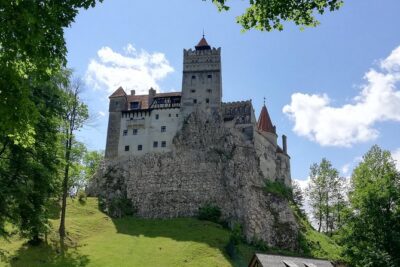
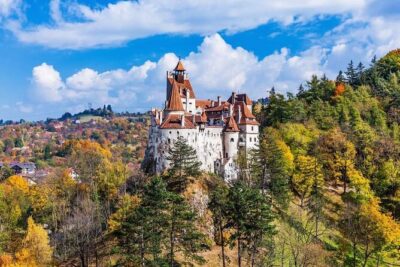
- Bran Castle: Dracula fame explained with dates and origins
- Brasov historic center: Black Church, towers, and Weaver’s bastion
- Optional stop: Peles Castle on the way back
- Why these UNESCO stops feel more meaningful than a Dracula-only route
- Price and what you’re really paying for in a 3-day private tour
- Pacing, private attention, and how your guide can improve the trip
- Practical tips: tickets, meals, and timing without drama
- Who should book this UNESCO Transylvania tour from Bucharest?
- Should you book this 3-day private UNESCO Transylvania tour?
- FAQ
- What time does the tour start in Bucharest?
- How many days is the Transylvania UNESCO tour?
- Is pickup offered from Bucharest?
- Are the UNESCO site tickets included?
- What meals are included?
- What languages are the guides available in?
- Is this tour private or group-based?
- Is there a mobile ticket and group discount?
Key highlights to watch for
- UNESCO fortified church circuit: defensive medieval architecture, not just postcard views
- Sighișoara overnight: best-preserved medieval town feel after the day crowds thin out
- Carpathian drive via Prahova River Valley: mountain towns and scenic breaks on the way
- Biertan’s fortified church + bishop HQ: a trade center with real administrative power
- Bran Castle, framed with literary origins: Bram Stoker and film-era fame explained in plain terms
- Private format with pickup: you set the comfort level, and your guide can adjust
3 Days UNESCO Tour of Transylvania: what this private format delivers
You’re starting in Bucharest at 9:00 am, then heading toward Transylvania with a private guide and car or minivan. That matters. In a region where towns are spread out and roads take time, private transport keeps the trip from feeling like a constant scramble. You’re not rushing between distant places with everyone else; instead, you’re carried along and briefed at each stop so the history actually lands.
The tour is structured around UNESCO-listed heritage, but it’s not a museum-only experience. You’ll walk medieval streets, stand in the shadow of fortified churches, and get the “why” behind how these places were built and used. That’s what helps Transylvania feel real instead of like a theme park.
Price-wise, you should expect a package feel: two nights of lodging, a guide, transport, and entrance fees “as per program” are included. But (and this is important) some specific admissions are marked not included on the day plan. So the value isn’t just the headline price; it’s the mix of what you won’t have to organize yourself (driving, guiding, timing, hotel nights) versus what you should plan to pay directly for ticketed highlights.
You can also read our reviews of more private tours in Bucharest

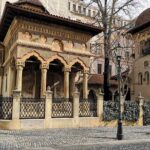
Day 1 from Bucharest to Sighișoara: fortified churches, Saxon villages, and medieval streets
Your first day is basically a guided transition from modern Romania into the Saxon-heritage world that shaped southern Transylvania.
The Prahova River Valley drive to Transylvania
You meet your guide at your Bucharest hotel or address and depart at 9:00 am. Then you drive toward Transylvania and cross the Carpathians via the Prahova River Valley. The plan specifically notes mountain scenery and small cozy towns along the route. Even if you’re not a “scenery person,” this is still useful. It helps break the long transfer into something you can absorb.
Also, because the group is private, you can ask your guide what to pay attention to out the window. That’s a small thing, but it turns the drive into part of the story instead of dead time.
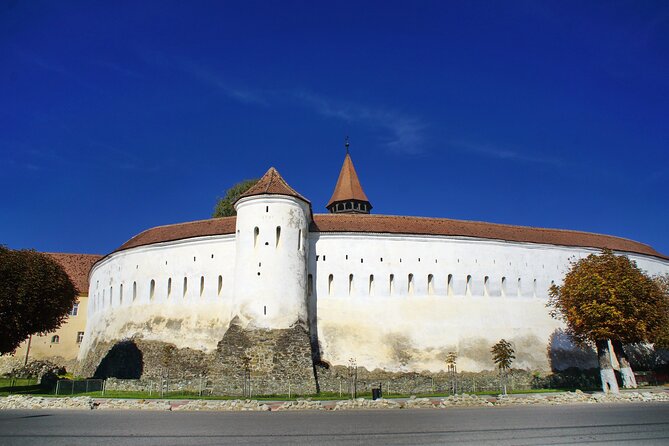
Prejmer Fortified Church: defense built into religion
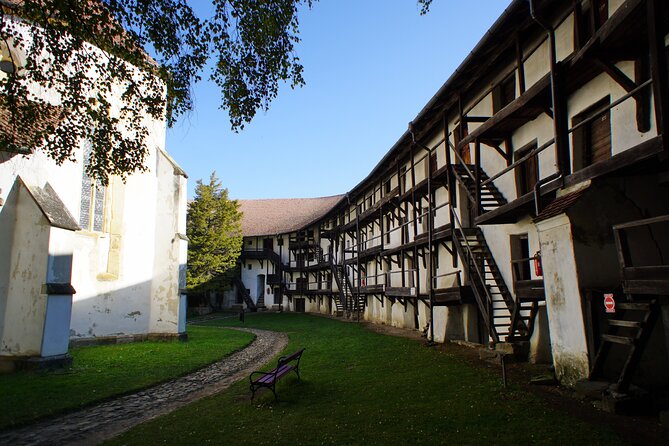
Next you visit the Peasant Fortified Church at Prejmer, a UNESCO site. This stop is a big deal because these weren’t just “churches with towers.” The tour sets you up to understand the huge role that defensive church structures played in Transylvania—built for protection as well as worship.
Time on-site is listed at about 45 minutes. That’s enough to walk the exterior and take in the fortified design, then spend time on the parts your guide emphasizes. Just note: admission here is marked not included in the program details, so plan for that cost if you’re budgeting tightly.
Viscri Fortified Church: Saxon village life preserved
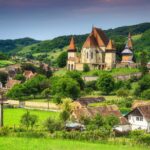
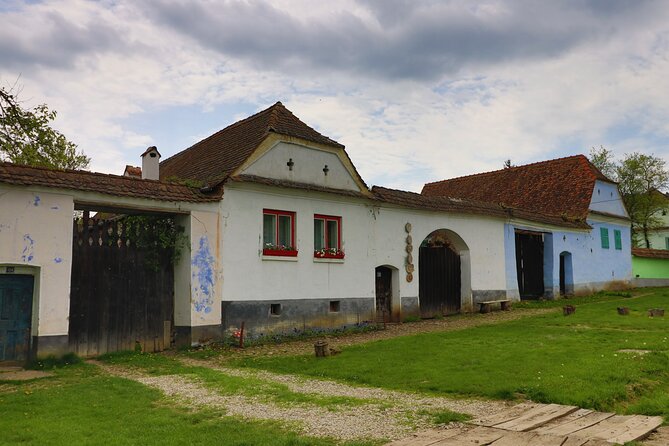
Then you head to Viscri, described as one of the charming villages that preserves authentic house architecture, traditional crafts, and the old way of life. This is also framed as a Saxon/German heritage example, and you’ll visit the Viscri Fortified church (UNESCO).
Time here is about one hour, which is a good match for how these places work: you want time to stroll, look closely at materials and layout, and then shift back into church-fortress mode. Admission is marked not included, so again: ticket costs may be extra even though the guide and route are handled.
You can also read our reviews of more tours and experiences in Bucharest
Rupea Fortress sighting en route
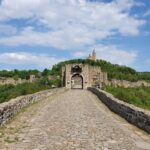
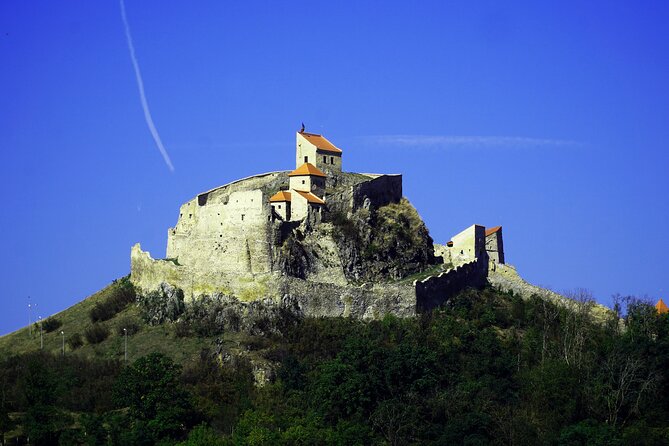
On the road, you’ll see Rupea Fortress, built in the 14th century, known as a Peasant Fortress. The tour notes its hill position and powerful walls, plus its role in medieval administration. Even though this is a “from the road” sight, it’s useful context. It helps you connect the dots between different fortified sites: people weren’t building defenses randomly; they were doing it for control, safety, and regional power.
Saschiz Church and the “Giants castle” fortress legend
You pass through Saschiz, which is also tied to UNESCO monuments: the Saschiz Church and the Saschiz Peasant Fortress, nicknamed the Giants castle after a local legend.
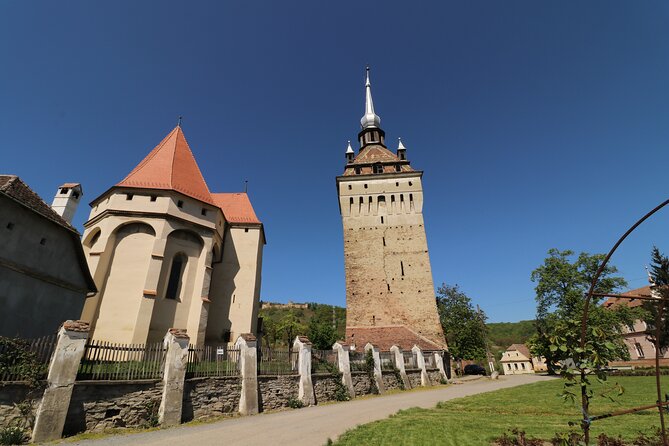
The church detail is pretty specific: built in 1493 in a Gothic style, with a defensive perimeter wall. The program says only the northern tower survives, fitted with a prominent spire in 1677. That kind of info is gold on a walking tour because it tells you what to look for—especially if you’re trying to understand why these churches look different from churches elsewhere in Europe.
Time is short for this section (about 15 minutes). That’s normal for a driving day, but it means you should come ready with a couple of questions for your guide, like what the defensive wall would have protected and who would have lived nearby.
Sighișoara historic center: the best place to sleep
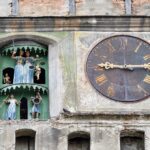
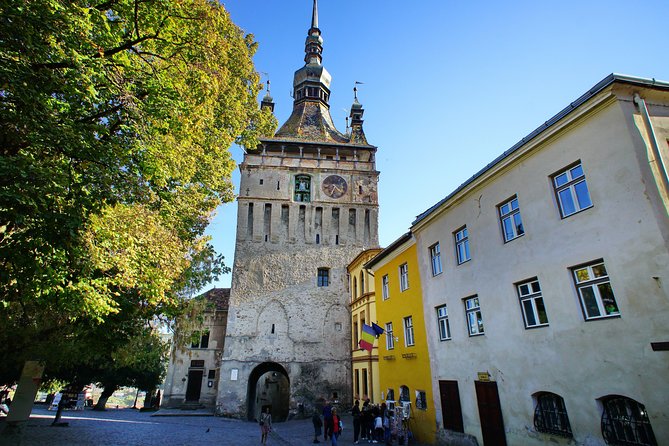
In the afternoon you arrive in Sighișoara, called the best preserved medieval town in Transylvania. You’ll focus on the core highlights: Clock Tower and History Museum, the Birthplace of Vlad Țepeș (Vlad the Impaler), covered stairs, Church on the Hill, plus towers and fortifications. The plan also emphasizes narrow streets paved with river stones.
Then comes the smart part: you don’t just visit and leave. You get to spend the night here, with the tour specifically pointing out that Sighișoara is included for overnight during a UNESCO tour. That’s one of the most practical “value” features in the whole itinerary. Medieval streets look better in softer light, and you’ll be more comfortable if you don’t have to pack and drive again the same evening.
For ticketing, the historic center stop is listed as admission ticket free in the program details, so your costs are more predictable here.
Day 2: Biertan fortified church, Sibiu squares, and Alba Iulia’s Roman-to-Union timeline
Day 2 starts with breakfast and an 8:30 am departure. From there, you’ll spend the day in southern Transylvania with a “layers of power” theme: Saxon trade and church authority, then a major Transylvanian city, then Roman ruins and later political unification symbolism.
Biertan Fortified Church: a trade center and bishop HQ
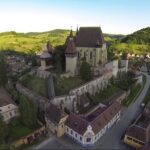
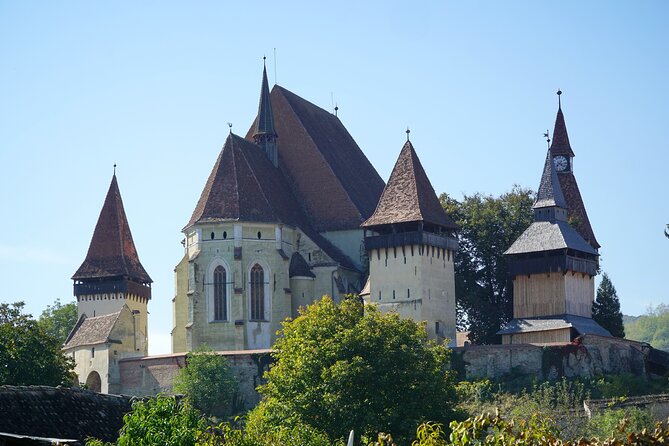
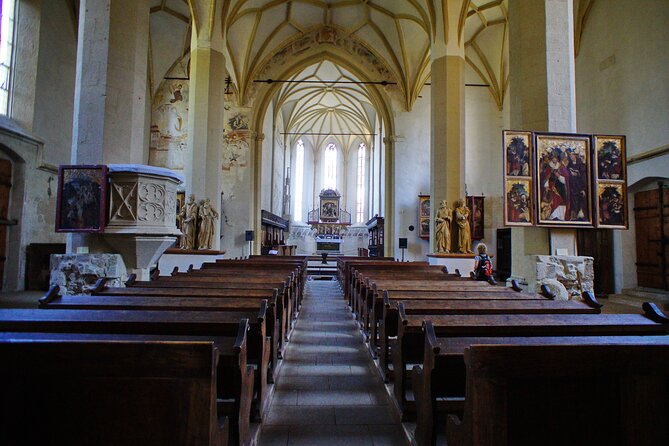
You drive through scenic rural areas and visit Biertan, described as an important trade center in the Middle Ages. The centerpiece is the Biertan Fortified Church (UNESCO), built in the 15th–16th centuries.
The tour adds a key detail: it was the headquarters of the Evangelical bishops for about 300 years. That turns the fortified church from a pretty building into an administrative machine. If you like history that connects architecture to real human organization, this is a standout.
Time is about one hour, and admission is marked not included. Plan for it, but also know you’ll likely get a lot more out of it because your guide is setting up the “why” before you start looking.
Sibiu old town: squares, towers, and church variety
Next you visit the old city of Sibiu, noted as a candidate for UNESCO listing and previously a European Capital of Cultures. Sibiu is presented as one of the most popular tourist sights, but the itinerary keeps it grounded in specific places: Big Square, Little Square, Orthodox and Lutheran-Evangelical cathedrals, Liars Bridge, a medieval wall, plus Council Square and the Black Church area.
The tour frames Sibiu as a place where a walk reveals local history and culture, and it also calls it one of the most romantic places to live and visit. Even if you don’t go for romance, the practical truth is: squares and cathedrals are designed for walking. You’ll get a lot of visual reward without needing to “power through” museum time.
This stop is listed around two hours and marked as admission ticket free. That’s another value-friendly part of the day.
Alba Iulia: Apulum roots, fortifications, and the Union story
Then you head to Alba Iulia, starting with its origin as the Romans’ Apulum. You’ll visit ruins of a Roman castrum (2nd century), then medieval fortifications (16th century), plus Vauban-type fortifications (18th century).
The political story is also central. The itinerary explains that Alba Iulia is where the Union of all Romanian regions in a single country was proclaimed. You’ll visit the Union museum and Reunion Cathedral, plus you’ll see the Catholic Cathedral, one of the oldest religious buildings from Transylvania.
The program also notes that the town’s old citadel is on a preliminary UNESCO list. Translation for you: this is not just a stop-by, snap-a-photo situation. It’s about seeing how multiple centuries physically shaped the same space.
Time here is about one hour 30 minutes. In the evening you return to Sighișoara.
Admission for this part is listed as free in the program details, which helps keep the day’s costs under control.
Day 3 back toward Bucharest: Bran Castle lore, Brasov’s Saxon core, and optional Peles
Day 3 leans into the “Dracula” part of the brand, but the tour gives you context so it doesn’t stay shallow.
Bran Castle: Dracula fame explained with dates and origins
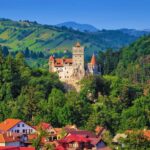
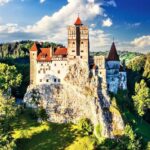
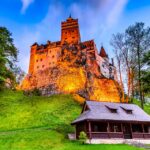
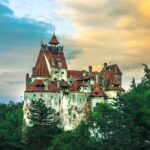
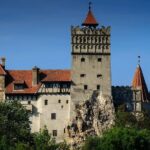
First stop: Bran Castle, widely known as Dracula’s Castle. The program connects the castle’s fame to Bram Stoker’s 1897 Dracula legend and later film work by Francis Ford Coppola. It also notes that the first documents about Bran Castle appeared in 1377.
This is the kind of framing I like because it separates the myth layers. You’re not asked to believe everything; you’re shown how the legend stuck and how long the site has existed.
Time is about 1 hour 30 minutes, with admission marked not included. There’s also time after the visit for souvenirs and shopping, then you leave the area.
Brasov historic center: Black Church, towers, and Weaver’s bastion
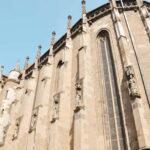
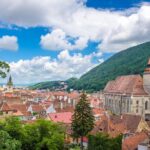
After Bran, you head to Brasov. The highlights list is clear: Council Square, Black Church, White and Black Towers, Weaver’s Bastion and Ecaterina’s Gate, plus Rope Street. The tour also notes Brasov origins back to the 13th century and its role as a fortified trade center, with medieval buildings still visible.
Time is about 1 hour 30 minutes and marked free for admission ticket in the program details. That makes this a nice way to end: you get a proper old-town feel without needing a long ticketed stop.
Optional stop: Peles Castle on the way back
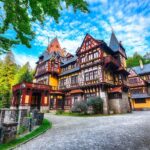
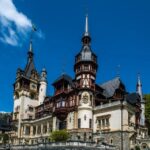
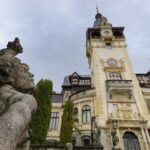
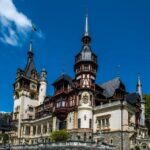
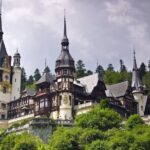
The itinerary also mentions Peles Castle as optional, a former royal residence of the Romanian kings, with admission marked not included. The “optional” piece is real value: if you’re tired of castles by day 3, you can skip. If you love architecture and want one last big ticket experience, this gives you that option.
After Brasov (and Peles if you choose), you continue back toward Bucharest.
Why these UNESCO stops feel more meaningful than a Dracula-only route
Plenty of Romania trips focus on vampires, then move on. This one does a different job. It helps you understand that Transylvania’s famous myths sit on top of older systems: defensive churches, Saxon village design, administrative forts, and city squares shaped by trade.
When you visit fortified churches like Prejmer, Viscri, and Biertan, you start seeing the logic: a community didn’t just need a place for prayers; it needed walls and structure that could protect people during danger. That’s why these UNESCO sites matter. They’re not “pretty buildings,” they’re answers to real needs.
Then the medieval towns add texture. Sighișoara gives you street-level atmosphere—clock towers, hilltop churches, fortifications, and stone-paved lanes. Sibiu adds a more city-based version of heritage, with a mix of Orthodox and Lutheran-Evangelical religious architecture plus bridges and squares you can actually walk.
Finally, Alba Iulia ties everything into a later national story: Roman roots, fortification evolution, and the Union proclamation setting. In plain terms: you’re seeing how power changed shape over time, and how buildings kept track of it.
The result is a trip that scratches the same itch as Dracula tourism, but gives you more of the “why,” and less of the fog.
Price and what you’re really paying for in a 3-day private tour
At $945.06 per person, this isn’t a budget bus ride. The value comes from the structure:
- Private transport (car or minivan) for a multi-stop route
- 2 nights accommodation
- Guided visits in English/Spanish (other languages on request)
- Entrance fees as per program
- Breakfast listed as included (the included section notes Breakfast Optional [2], which suggests breakfast is planned for the mornings, at least for two days)
What might raise an eyebrow is the split between included vs. not included tickets. Several stops list admissions as not included: Prejmer, Viscri, Biertan, Bran Castle, and Peles Castle (optional). Brasov and Sighișoara historic center are listed as free for admission tickets in the program details.
So your best way to judge value is to think of it like this: you’re paying for a guided itinerary and the heavy lifting of driving and lodging, and then you top up with on-site tickets for the biggest attractions that aren’t marked as included.
If you want, ask your guide ahead of time which tickets you should expect to pay at the gate or by voucher. That keeps your day smooth.
Pacing, private attention, and how your guide can improve the trip
This is a private experience, meaning it’s only your group. That changes the feel more than you’d think. With a group-size limit mentioned in the broader context of how the operator runs tours, you’re still likely to feel like the day is designed around you.
The reviews also underline guide quality: David and Adrain Ene come up in praise for being prompt, friendly, and good at explaining culture and history. One review even mentions history plus culture, local jokes, and helpful restaurant guidance. That last part matters. The best tours don’t just show buildings; they help you eat well between stops.
Here’s what I’d ask your guide on Day 1:
- What should I look for first at fortified churches? (walls, towers, layouts, defensive features)
- Which streets in Sighișoara are best for late-afternoon light?
- If we skip optional Peles, what else nearby is worth time?
Those questions help you turn a pre-planned route into something that feels tailored.
Practical tips: tickets, meals, and timing without drama
A few practical notes keep this trip easy:
- Admission ticket planning: Several major sights are listed as admission not included. Even if most of the cost is already in the package, bring some spending money and plan for ticket lines if they exist.
- Meals: Breakfast is clearly identified as included (though the details say Optional [2]). Other meals are listed as not included, so you’ll want lunch and dinner on your own during transit and in towns.
- Start time: You’ll begin at 9:00 am, so plan an early morning in Bucharest. If you’re flying in the same day, give yourself cushion time.
- Walking days: The medieval towns involve walking on narrow streets and stone surfaces. Comfortable shoes are the simplest win you can make.
If you’re photo-focused, pace matters too. Don’t try to “collect everything” at every church. Pick two or three details per stop—tower shapes, defensive wall segments, a key doorway—and let your guide’s explanation guide your lens.
Who should book this UNESCO Transylvania tour from Bucharest?
This trip fits you best if:
- You want UNESCO architecture and medieval towns more than a pure “Dracula theme” day
- You like guided context that connects buildings to how people lived and protected their communities
- You’re happy to mix free stroll stops with a few paid ticket attractions
It might not be your best match if:
- You want every single entrance fee included with no on-site payment at all
- You dislike driving days with multiple stops (even though the itinerary time blocks help)
If you’re traveling as a couple, this private structure is often a sweet spot: you get flexibility and focus without paying for more people just to fill a bus.
Should you book this 3-day private UNESCO Transylvania tour?
I think it’s a strong booking if you want value through guidance and structure. The tour’s real power is in how it connects fortified churches, Saxon heritage villages, and medieval towns into one coherent story. The overnight in Sighișoara is a smart design choice for anyone who cares about atmosphere, not just checkmarks.
Just be honest about costs at the gate: admissions marked not included (like Prejmer, Viscri, Bran, and potentially Peles) mean you’ll need a little extra cash. If you budget for that up front, the rest of the trip feels organized and calm rather than chaotic.
If you want a Dracula-flavored trip that still respects Romania’s real historical layers, this one is worth your shortlist.
FAQ
What time does the tour start in Bucharest?
The tour starts at 9:00 am. You meet your private guide at your hotel or address in Bucharest.
How many days is the Transylvania UNESCO tour?
It’s approximately 3 days.
Is pickup offered from Bucharest?
Yes. Pickup is offered, with the meeting point described as your hotel or address in Bucharest.
Are the UNESCO site tickets included?
Some entrance fees are included “as per program,” but multiple sites are listed with admission ticket not included (for example Prejmer, Viscri, Biertan, Bran Castle, and Peles Castle if you choose it).
What meals are included?
Breakfast is listed as included for the trip (noted as Breakfast Optional [2]). Other meals are listed as not included.
What languages are the guides available in?
The tour offers English or Spanish. Other languages are available on request.
Is this tour private or group-based?
It’s private. Only your group participates.
Is there a mobile ticket and group discount?
Yes. The tour includes a mobile ticket and it notes group discounts.