REVIEW · BUCHAREST
8-Hour Private Tour to Bucharest Communism
Book on Viator →Operated by Romania Private Guide · Bookable on Viator
Bucharest’s communist stories hit hard. This private, 8-hour tour is built around the places that explain how the Ceausescu era shaped this city, and it does it with sharp context at Palace of Parliament and Revolution Square. I like the strong, guide-led storytelling that turns big buildings into real cause-and-effect, and I like how the day mixes heavy political sites with human-scale Romanian life. One thing to plan for: entrance tickets and food/drinks cost extra, so you’ll want a little buffer in your budget.
You’ll ride around in a private car just for your group with a licensed English-speaking guide/driver, then spend the day walking and looking—some of it sobering, some of it oddly fascinating. In the feedback I saw, the guides’ energy mattered. People specifically thanked Nicolas (and also Razvan on one tour) for making the information feel clear and well paced, not like a lecture.
If you’re in Bucharest for only a day or two and you want more than the postcard spots, this is a focused way to understand the city. It’s also a good fit if you like history that has visible footprints—buildings you can still see, and street-level places where events happened.
In This Review
- Key highlights (what makes this Bucharest communism tour work)
- Palace of Parliament: the People’s House that makes you feel small
- National Village Museum: Romanian life, homes, and values beyond politics
- Calea Victoriei: Victory Avenue shows history’s contradictions
- Revolution Square: where the December 1989 turning point happened
- Snagov Monastery: a quick island detour with Dracula-linked lore
- Ceaușescu Mansion: private life inside a dictatorship
- Romanian Athenaeum: finishing with an art-and-culture landmark
- Price and what makes it good value for your day
- Who this Bucharest communism tour fits best
- Should you book it?
- FAQ
- How long is the Bucharest 8-hour private communism tour?
- What does the tour cost?
- Is pickup available?
- Is this a private tour?
- Do I need to pay entrance fees?
- What are the main stops on this tour?
- Is the guide English speaking?
- What about food and drinks?
- Is there free cancellation?
- Is it suitable for most travelers, and are service animals allowed?
Key highlights (what makes this Bucharest communism tour work)
- A private, licensed English guide who stays with you through the day, not a drop-off-and-go setup
- Palace of Parliament + Revolution Square as the two anchors of the communist story
- National Village Museum for a calmer counterpoint: Romanian traditions, homes, and everyday life
- Calea Victoriei (Victory Avenue) to connect monarchy-era elegance with communist power centers
- Snagov Monastery as a short outside-the-city switch: 40 minutes out to an island site linked to Dracula
- Ceaușescu Mansion for a look at the private residence of Nicolae and Elena Ceaușescu (1965–1989)
Palace of Parliament: the People’s House that makes you feel small
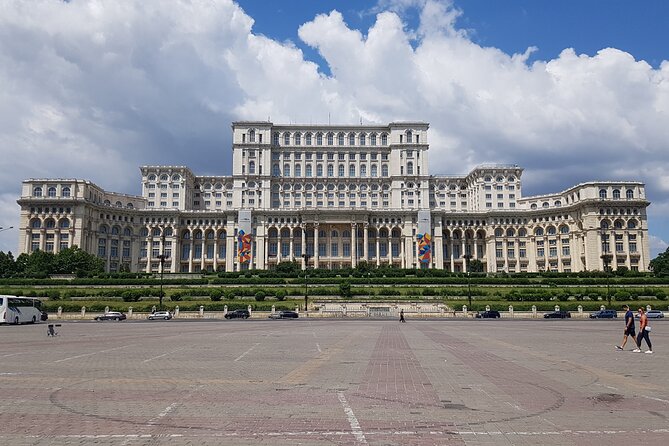
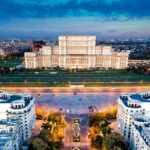
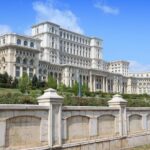
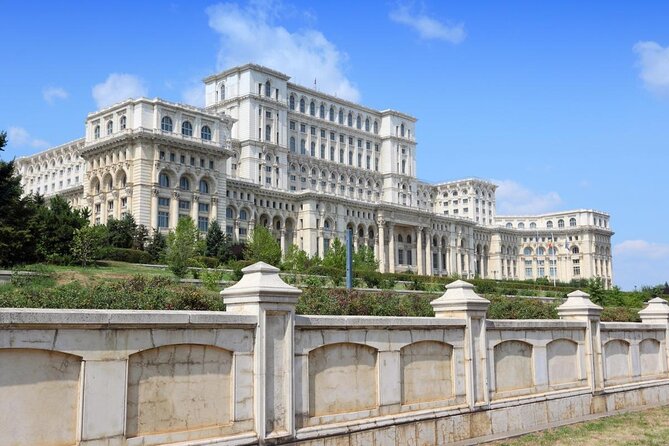
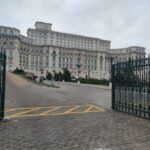
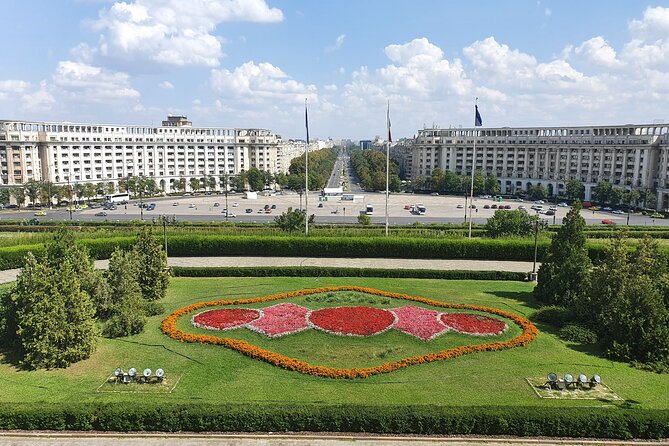
The day starts at the Palace of Parliament, also known locally as the People’s House. This is the kind of place where scale does half the explaining. You’ll spend about two hours here, and the focus is not just architecture. It’s how totalitarian systems distort priorities—money, labor, and national will—until the result becomes pointless opulence and megalomania.
The experience is designed to leave you with a physical sense of power imbalance. You don’t have to be an architecture expert to get it. You just need to stand inside and look around. The message hits harder when you remember this is an administrative building built on a political idea of control. Even with no dramatic narration, the sheer mass of the building makes the lesson feel immediate.
Two practical notes to keep your day smooth:
- Admission isn’t included, so plan for additional entry cost.
- It’s a big site, and two hours can pass quickly but still feel like a lot. If you’re sensitive to crowds, go with comfortable shoes and take your time.
I like this first stop because it sets the tone. It’s the clearest entry point to understanding the communist chapters later in the day—especially when you move from the Palace’s symbolism to the events of December 1989.
You can also read our reviews of more private tours in Bucharest

National Village Museum: Romanian life, homes, and values beyond politics
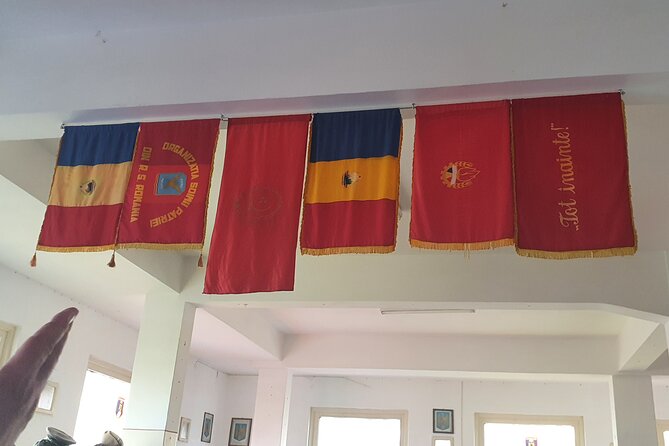
After the political weight of the Palace, you shift to something more grounded: the National Village Museum. The idea here is smart. It reminds you that a nation isn’t only buildings and leaders. It’s also how people lived—where families built homes, how communities worked, and how faith and tradition shaped daily routines.
This museum brings Romanian traditions into one place. You’ll see traditional houses from different regions—wood and adobe, and also stone and other materials—plus elements like mills and wooden churches. The contrast is the point: instead of propaganda-era grandeur, you get modest, practical architecture shaped by the land.
The description also emphasizes sustainability and harmony with surroundings. That’s not something you always expect in a communism-themed day, but it works. It gives you a reference point for what people were trying to preserve before politics swallowed so much of public life.
What you’ll likely find most satisfying is the human-scale feel. Museums can sometimes become a “read-only” experience. Here, the spaces and structures do more than display; they help you imagine how life functioned—socially and spiritually.
Admission is not included for this stop (and there may be ticket costs tied to other sites too). Keep that in mind so you don’t feel surprised mid-day.
Calea Victoriei: Victory Avenue shows history’s contradictions
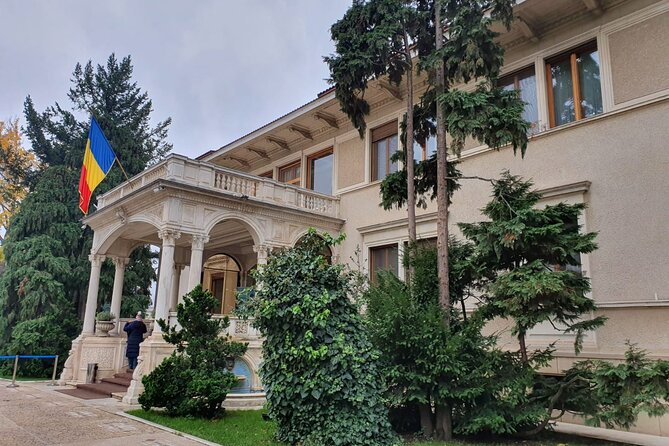
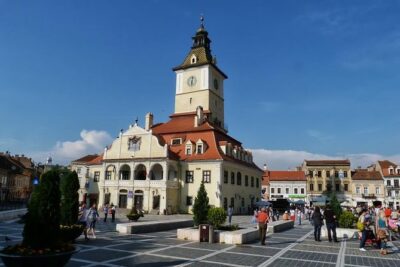
Next comes Calea Victoriei (Victory Avenue). This stretch is the kind of Bucharest street that teaches you more through contrasts than through a straight line. With your private guide, you’ll connect royal-era elegance with communist power, all in the same walking reality.
On one side, you have grand landmarks and palace connections. On the other, you have sites tied to the Central Committee of the Romanian Communist Party and the broader event landscape around Revolution Square.
Calea Victoriei is also where the tour balances formal history with everyday city culture. You may pass or reference old Orthodox churches and landmarks that help you understand the spiritual and cultural layers still present under the political story. The avenue is described as a mix of music stores, museums, theaters, tea shops, retail, and souvenir stops—plus well-known buildings like the National History Museum and the Romanian Athenaeum later in the day.
This stop lasts about 45 minutes. That’s a good length: long enough to connect places, short enough to keep the day from dragging. It also means you’re not stuck “just walking.” Your guide’s role is to point out what to notice as you move.
Tip: wear shoes that forgive uneven sidewalks. Even on a guided route, you’ll be doing real street time.
Revolution Square: where the December 1989 turning point happened
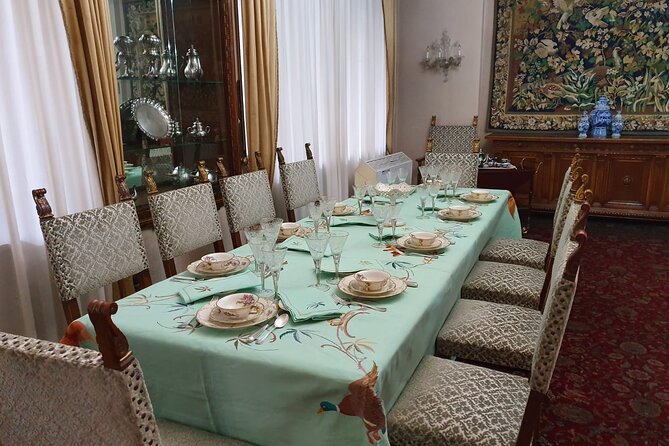
At Piaka Revolukiei / Revolution Square, the tour gets even more direct about the end of the Ceausescu era. This is where the narrative focuses on Nicolae Ceaușescu being ousted in December 1989, along with the lingering controversies around the state security service and off-shore accounts.
You’ll spend about 30 minutes here. That short window matters. It’s not meant to replace deeper research. It’s meant to anchor the story in a single geographic place—so when you stand there, you can picture how history unfolded in a public space.
The tour also connects Revolution Square with the Senate Palace area—described as the building tied to the Central Committee and as a key starting point of the December 1989 Revolution. Again, the guide-led explanation is what makes it click.
I like this stop because it gives closure after the Palace of Parliament. You’ve seen how power looked when it was protected and monumental. Now you see how that power was challenged—and how quickly an entire system could unravel once public events shifted.
Admission for this stop is listed as free, which helps keep the afternoon budget friendlier.
Snagov Monastery: a quick island detour with Dracula-linked lore
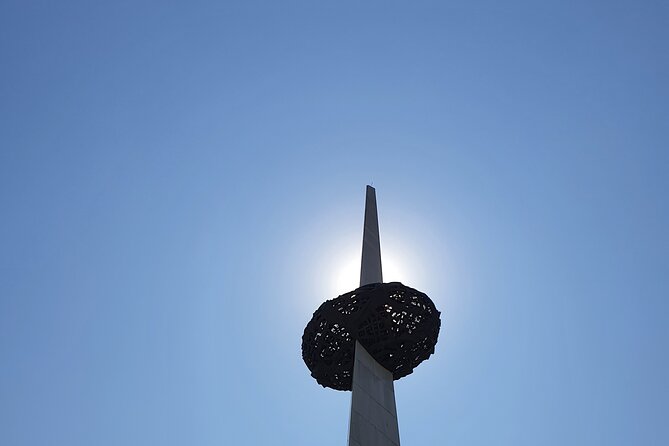
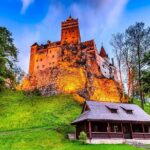
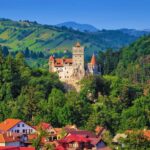
Here’s the curveball: Snagov Monastery. It’s about 40 minutes outside Bucharest, and it’s on an island. You’ll have about one hour on site, and the hook is the tomb of Dracula.
Now, let’s keep expectations realistic. Dracula lore is part fact, part cultural legend, and part marketing magnet. But that doesn’t make the stop pointless. Even if you come for the literary connection, the site itself can feel like a genuine change of pace—water, isolation, and an atmosphere that feels removed from the city’s speed.
For a communism-themed tour, this detour also works as a mental reset. The morning and early afternoon are heavy. Snagov gives your brain a break while still keeping the day structured.
Practical note: admission isn’t included for this stop. Also, since it’s outside the city, you’ll be trading time in the car for a different kind of atmosphere. If you’re prone to feeling restless in transit, it helps to remember this is the planned “breather,” not an extra surprise.
Ceaușescu Mansion: private life inside a dictatorship
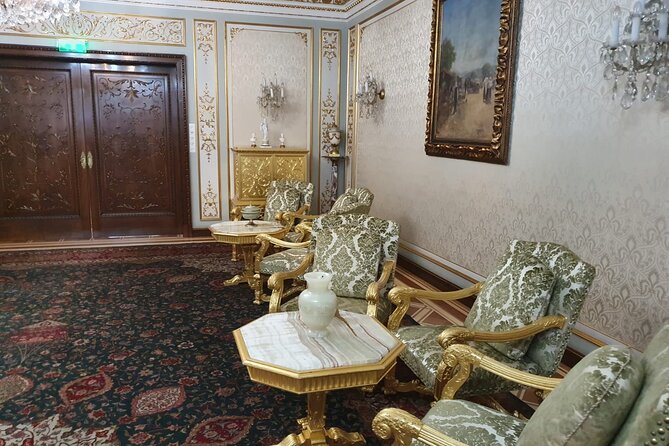
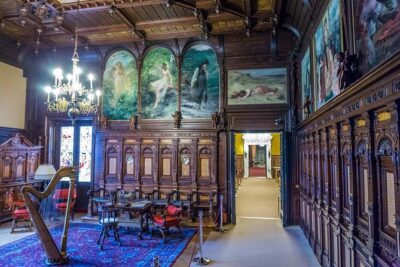
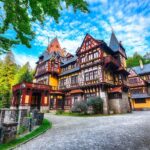
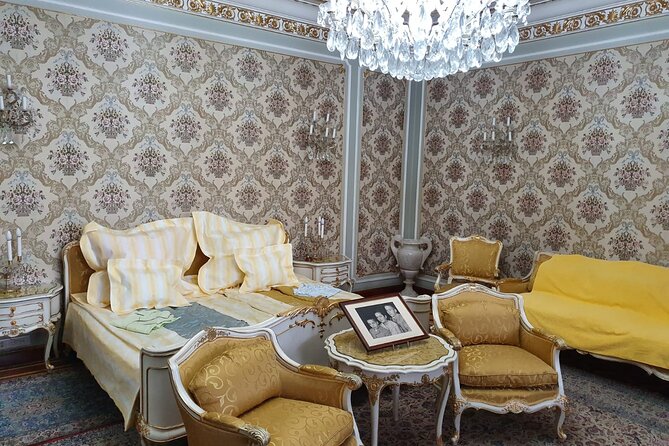
Then you visit the Ceaușescu Mansion, the private residence of Nicolae and Elena Ceaușescu and their children. The timeframe given is 1965 to 1989, which is especially useful. It helps you place the house inside the broader arc of their control.
This stop lasts about 1 hour 30 minutes, and the admission is not included. The value of this stop is that it shifts the story from public power to private space. You start thinking about how a regime doesn’t just rule cities—it reshapes families, expectations, and everyday comfort.
The mansion also adds texture to what you learned earlier. At the Palace of Parliament, you saw the theatrical grand scale. Here, you see the same “system logic” applied to personal life. It can feel unsettling because it collapses the distance between the dictator-as-idea and dictator-as-a-human-with-preferences.
If you’re traveling with teenagers or friends who only know Romanian history as a TikTok soundbite, this is a strong stop. It makes the era feel less abstract.
One caution: because it’s an interior-focused visit, it’s not the best choice if you’re uncomfortable in enclosed spaces or if you’re expecting a lot of open-air scenery. Bring a curious mindset. This is about atmosphere and context.
Romanian Athenaeum: finishing with an art-and-culture landmark
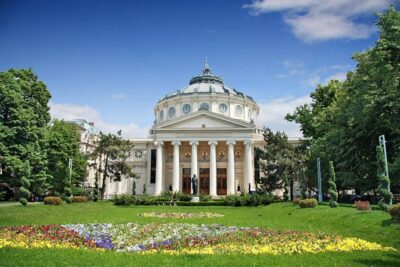
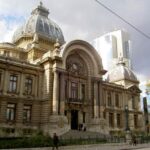
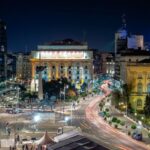
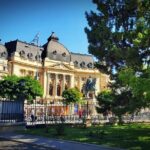
After the mansion, the tour heads toward the Romanian Athenaeum, described as one of the most representative symbols of Romanian culture and a landmark often associated with Bucharest itself. It’s also noted as part of the European Heritage list (le Patrimoine Européen), which helps explain why it’s such a frequent stop for first-time visitors.
You’ll be in front of a building that carries cultural weight. This is a good closing move for a communism-focused day because it reminds you that Romanian identity didn’t vanish under communist rule—it kept expressing itself through music, architecture, and public life.
How long you’ll spend here isn’t specified in the details you provided, but it’s presented as the “natural” final highlight along Calea Victoriei. In other words, it’s not a random late add-on. It’s meant to leave you with something that feels like continuity.
Price and what makes it good value for your day
The price is $266.07 per person for an approximately 8-hour private tour. The biggest value story here is what’s included in that number:
- Private car (tourism or minibus) just for you and your group
- A private licensed English-speaking guide/driver for the full experience
- Car expenses like gasoline, parking, and road tolls
- All taxes
- Pickup offered and mobile ticket included
- Notes like group discounts and confirmation received at booking
Then there’s what you pay separately:
- Entrance fees as per the itinerary (listed as 30 euro/person)
- Food and drinks
For me, the “value” comes from reducing logistical stress. You’re spending a full day hitting multiple zones—city center landmarks plus a trip outside Bucharest. Doing that efficiently with your own guide and car usually costs more than an all-city bus tour, but you gain time and context. A communism tour lives or dies on explanation, and that’s built into the format.
If you’re traveling as a couple or small group, the private car piece is usually where you feel the difference most. If you’re the type who prefers self-guided walking, you could do some of these sites independently. But if you want the story stitched together in a coherent way, paying for the guide is the main reason this feels worth it.
Who this Bucharest communism tour fits best
This tour is a great match if you:
- Want a structured introduction to Bucharest under communism—without spending your vacation on research spreadsheets
- Like political history tied to places you can still see today
- Appreciate contrast: heavy government symbolism, Romanian village traditions, then cultural landmarks
It may be less ideal if you:
- Hate extra ticket costs (since multiple stops have admission not included)
- Get tired quickly from a long, packed day with city walking plus an outside-city detour
- Prefer slow, museum-only pacing with lots of free time
Should you book it?
Yes, I’d book it if your goal is to understand Bucharest beyond the usual highlights. The pacing makes sense: start with the biggest symbol of the regime, then move to street and square context, then add a human-scale museum, and finally round out with Romanian identity at the Athenaeum.
The decision hinges on budget and your tolerance for a full day. If you can handle entry fees plus meals, and you want clear guided context, this is a smart way to use limited time in Bucharest.
FAQ
How long is the Bucharest 8-hour private communism tour?
The tour is listed as approximately 8 hours.
What does the tour cost?
The price is $266.07 per person.
Is pickup available?
Yes, pickup is offered.
Is this a private tour?
Yes. It’s a private experience, and only your group participates.
Do I need to pay entrance fees?
Yes. Entrance fees are not included, and the listed total for entrance fees as per the itinerary is 30 euro per person.
What are the main stops on this tour?
The stops include the Palace of Parliament, the Bucharest National Village Museum, Calea Victoriei, Revolution Square, Snagov Monastery, Ceaușescu Mansion, and the Romanian Athenaeum.
Is the guide English speaking?
Yes. You’ll have a private, licensed English-speaking guide/driver available throughout the tour.
What about food and drinks?
Food and drinks are not included.
Is there free cancellation?
Yes. You can cancel up to 24 hours in advance for a full refund.
Is it suitable for most travelers, and are service animals allowed?
The tour notes that most travelers can participate, and service animals are allowed. It also says it’s near public transportation.