REVIEW · BUCHAREST
Transylvania Region In-Depth (5 Days Private Tour from Bucharest)
Book on Viator →Operated by Crafted Tours Romania · Bookable on Viator
A road trip through Transylvania hits different. This private 5-day tour strings together castles, medieval cities, and UNESCO sites with prebooked 3-star stops, plus day-by-day guidance from Toni Cristian Tatar. I love the way you get your Dracula facts grounded at Bran, and I also like how the route mixes medieval Saxon culture with serious fortresses and Roman ruins. One thing to plan for: most major sights involve separate entrance fees, so your total cost can creep up.
You start at 9:00 am in Bucharest and you keep moving—some days feel full, especially if you’re adding photos and time inside churches and towers. In low season, this pacing can actually work in your favor because you still hit the big names without being crushed by crowds, and your guide can fine-tune timing based on what’s open.
In This Review
- Key things that make this tour worth your time
- A private 5-day Transylvania circuit that starts with the right questions
- Logistics that matter: your day starts at 9:00 am and you’ll want good shoes
- Day 1: Peles Castle and Bran Castle, with Dracula’s myth checked at the door
- Brasov’s historical center and the Black Church: more than background scenery
- Day 2: Prejmer fortified church and Sighișoara’s UNESCO old town
- Day 3: Alba Iulia’s star fort and Corvin Castle’s scale shock
- Day 4: Roman ruins at Ulpia Traiana Sarmizegetusa, then Sibiu’s cultural center
- A quick tip for Sibiu time
- Day 5: Piata Mare and Cozia Monastery, the medieval anchor near the finish line
- Price and value: what you’re really paying for at $1,707.46 per person
- What to expect from the pacing (and how to make it work for you)
- Should you book this Transylvania private tour?
- FAQ
- How long is the Transylvania tour?
- What time does the tour start in Bucharest?
- Is this a private tour?
- Are attraction entrance fees included?
- What’s included in the price?
- Does it need good weather?
Key things that make this tour worth your time
- Bran Castle with context: You’ll hear the Vlad the Impaler story and the real history behind the Dracula label.
- UNESCO fortified sites: Prejmer’s fortified church and Sighișoara’s old town bring medieval defense to life.
- Big-hitter castles: Peles near Sinaia and Corvin Castle (Hunedoara) are both visually impressive and historically specific.
- Roman ruins included: Ulpia Traiana Sarmizegetusa turns the trip beyond castles-only tourism.
- A guided, private route: You’re not waiting around for unrelated group schedules—your guide can keep you on track.
- 3-star stays are handled: You’re not hunting for hotels day by day.
A private 5-day Transylvania circuit that starts with the right questions
Transylvania gets sold like a movie set. This tour is better when you treat it like history with atmosphere. You’re traveling through mountain passes and old trade routes, which helps explain why the region’s architecture and legends grew the way they did.
What I like most is the balance: you do famous names like Bran Castle and Peles Castle, but you also spend time in places that feel like how people actually lived—Brasov’s old center, Sighișoara’s walled streets, Sibiu’s cultural role, and fortress towns that were built to survive conflict.
The tour also leans into guidance, not just sightseeing. Toni is specifically praised for being well informed and accommodating, and that matters because a lot of these sites have multiple layers: who built it, who controlled it, what it replaced, and what changed over time.
You can also read our reviews of more private tours in Bucharest

Logistics that matter: your day starts at 9:00 am and you’ll want good shoes
You meet at 9:00 am, and that early start helps you fit in castles, churches, and towns without feeling like every stop is “rush and snap.” This route is also road-heavy in the best way: you see the region’s variety as you move, instead of spending all day in one area.
Bring comfortable walking shoes. Old towns include cobblestones and uneven steps, and fortress areas can mean short bursts of climbing. If you’re traveling in winter or shoulder season, daylight hours shrink fast—early starts become extra important.
One practical note: pickup is offered, and the meeting point is listed as near public transportation. If you’re staying in Bucharest and want minimal hassle, this setup is generally smoother than tours that only work from one narrow hotel zone.
Day 1: Peles Castle and Bran Castle, with Dracula’s myth checked at the door
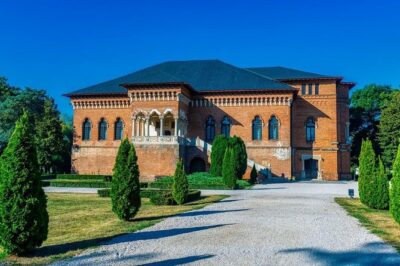
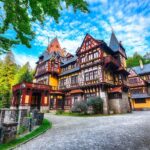
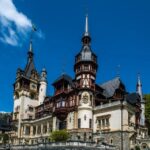
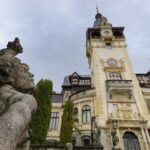
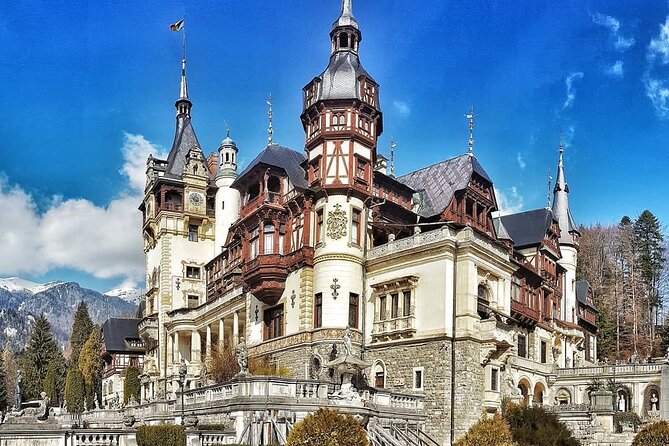
Your first major stop is Peles Castle near Sinaia. It’s a neo-Renaissance statement in the Carpathian foothills, built between 1873 and 1914 for King Carol I, with inauguration in 1883. Even if you don’t care about royal history, Peles is the kind of place where you can see craftsmanship in details—stonework, layout, and that late-19th-century “made to last” vibe.
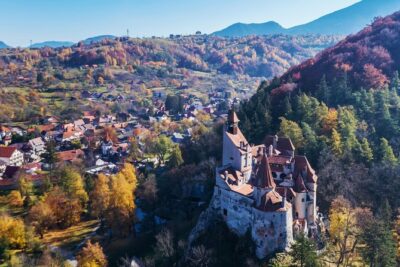
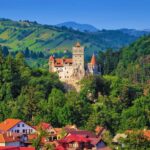
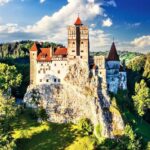
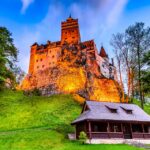
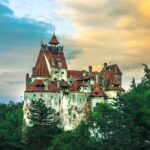
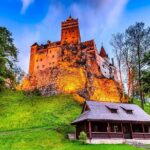
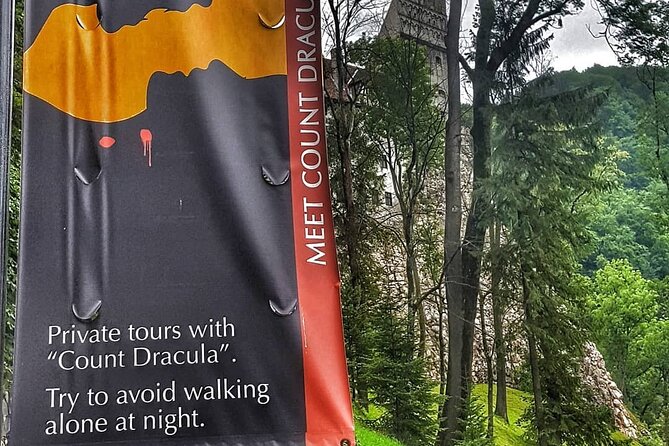
From there, you head to Bran Castle, the one foreigners often call Dracula’s Castle. But this is where good guidance pays off. Bran is linked to the wider Dracula legend, and it’s commonly tied to Vlad the Impaler, yet the tour framing is careful about the fact that the legend’s “home” isn’t that simple. Bram Stoker’s Dracula popularized the idea, but Romania’s real-story connections spread to other sites too.
Inside Bran, plan for 90 minutes to 2 hours so you’re not just walking through rooms—you’re reading the connections, looking at the defensive layout, and understanding why the castle captured imaginations.
Brasov’s historical center and the Black Church: more than background scenery
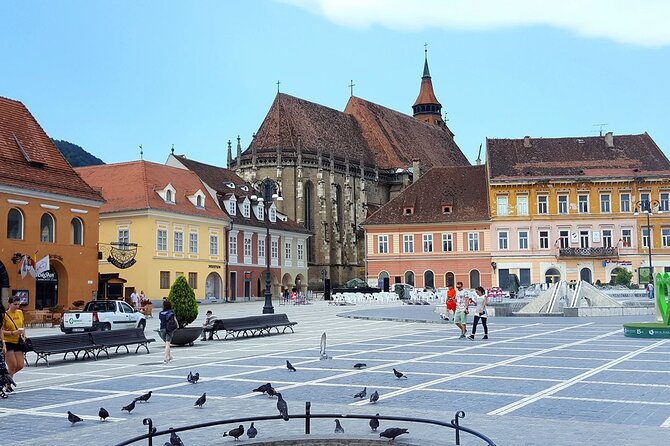
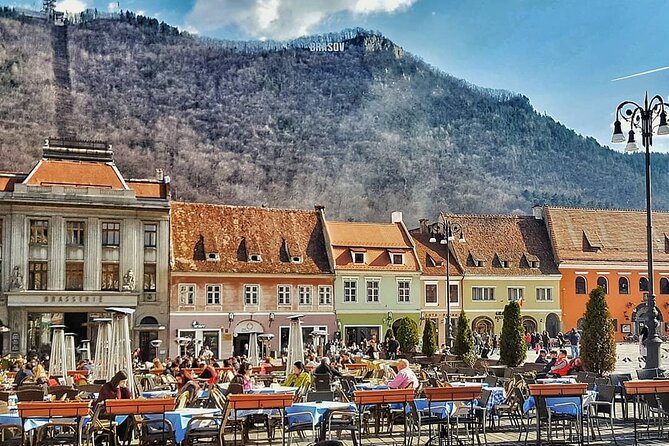
After castles, the trip pivots to everyday Transylvanian life in Brasov’s Historical Center. Brasov was an old regional capital for the Transylvanian Saxons and a trade hub bridging East and West. It’s also tied to Romanian pride through its connection to the national anthem.
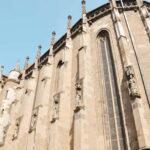
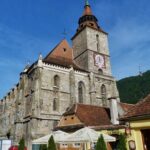
Then comes the Black Church (Biserica Neagră), one of Romania’s most important Gothic monuments and the largest Lutheran church in the region. It was built by the German community, and while the name sounds spooky, the bigger payoff is the architecture and the way this town reflects centuries of shifting populations and faiths.
A quick reality check: Bran and Brasov in one day is a lot of wow-power. If you’re sensitive to long touring days, pace yourself—do the “must sees” first, then slow down for photos and reading.
Day 2: Prejmer fortified church and Sighișoara’s UNESCO old town
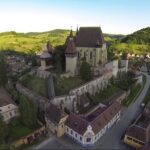
Day 2 is about medieval defense you can actually walk around. First up is the Peasant Fortified Church at Prejmer. This site is part of the UNESCO World Heritage villages with fortified churches in Transylvania. The story here matters: founded by the Teutonic Knights, later shaped by the Transylvanian Saxon community, and connected to the Reformation shift from Roman Catholic roots to Lutheran practice.
The surrounding fortified village setting is what makes it special. You’re not just seeing a church building; you’re seeing how communities planned for danger.
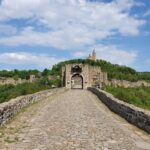
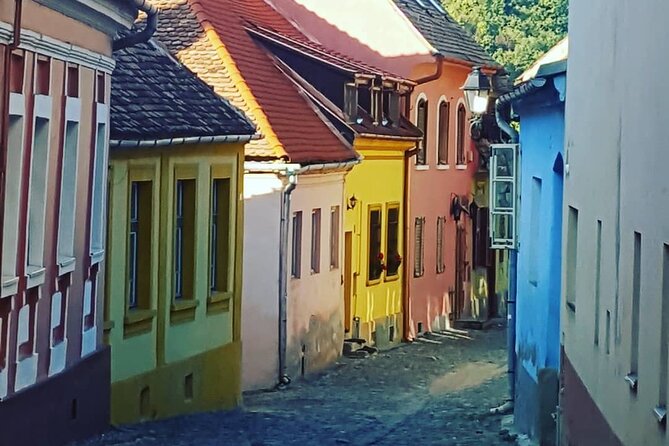
Next you reach Sighișoara’s Centrul Istoric, the walled old town that UNESCO lists as a World Heritage Site. Sighișoara is the kind of place where walking slows you down naturally. You see fortification logic in the street shape and in where towers and gateways dominate.
Your stop also includes the Sighișoara Clock Tower (Turnul cu Ceas), described as the master tower—the main entry point to the citadel. The “master tower” concept is a good mental model: bigger authority, bigger visibility, and the structure that tells you where power sat.
What to watch for: if you’re expecting Dracula-themed thrills only, Day 2 might feel calmer. But if you like how fortifications and civic life worked, Sighișoara is one of the most rewarding stops on the trip.
You can also read our reviews of more tours and experiences in Bucharest
Day 3: Alba Iulia’s star fort and Corvin Castle’s scale shock
On Day 3 you go from medieval town defense to a grand fortress mentality at Cetatea Alba Iulia. You’ll be visiting the Alba Carolina Citadel, a star-shaped Romanian fortress in Alba Iulia. Construction began on November 4, 1715 during Habsburg rule and was completed in 1738.
The numbers here help you understand why it was built. The citadel involved an estimated 20,000 serfs and cost around 3 million guldens—and the site itself overlays older fortifications, including the Roman legionary fortress Legio XIII Gemina and the medieval Balgrad citadel.
This is a day where a guide’s explanations matter. If you just view the walls as walls, you miss the logic: star-shaped fortresses were designed to handle artillery threats and give defenders better sightlines.
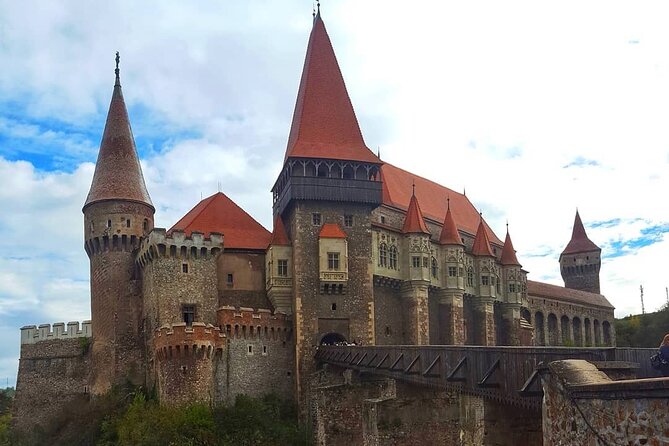
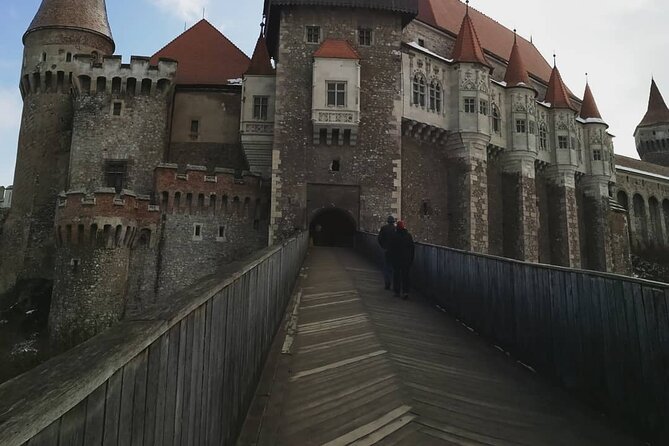
Then you head to Castelul Corvinilor (Corvin Castle, also called Hunyadi Castle / Hunedoara Castle). This is Gothic-Renaissance and is noted as one of the largest castles in Europe and part of the Seven Wonders of Romania. Even without a deep catalog of dates, the sheer scale and look of the castle tends to stop people mid-walk.
Possible drawback: both Alba Iulia and Corvin Castle are fortification-focused, which can make Day 3 feel dense if you prefer variety. The tradeoff is that you finish with a real “wow” feeling—like you’ve seen the region’s power structures at their strongest.
Day 4: Roman ruins at Ulpia Traiana Sarmizegetusa, then Sibiu’s cultural center
Day 4 gives your eyes a break from medieval stone drama and shifts you to deep-time context with Ulpia Traiana Sarmizegetusa. This is a Roman settlement ruin stop, and it’s short but meaningful.
Even a 1-hour visit can be worth it if you go in with the right mindset: you’re looking at what empire-level planning left behind, long before later Saxon and medieval layers. The experience is more about atmosphere and understanding than “thrill rides.”
After that, you’ll spend time around Sibiu, including a stop at the tourist information center. Sibiu is tied to the Transylvanian Saxons and was named the European Capital of Culture in 2007 (along with Luxembourg). It’s also linked to a notable lifestyle ranking by Forbes in 2008, which is interesting because it hints at how livable this city feels even now.
A quick tip for Sibiu time
You’re given time to explore, so use it to orient yourself. Sibiu’s old-town layout can feel like a puzzle at first. If you take 20 minutes to walk without your camera, you’ll appreciate the “why” of the streets and squares more later.
Day 5: Piata Mare and Cozia Monastery, the medieval anchor near the finish line
Your final day starts with Piata Mare (Big Square) in Sibiu. This is a free, classic old-town stop at the heart of the city’s visitor experience. The payoff is simple: you get a final dose of medieval urban life before the trip turns toward a religious monument.
Then you visit Cozia Monastery, built close to Călimănești in 1388 by Mircea the Elder. It’s known for housing his tomb and for being one of Romania’s most valuable medieval art and architecture monuments.
This monastery stop changes the tone of the trip in a good way. After multiple castles and fortress days, it feels like a quieter “pause.” And because you end with a site tied to a specific ruler, you get another history thread: not just legends, but named people and real political eras.
Price and value: what you’re really paying for at $1,707.46 per person
At $1,707.46 per person, the question isn’t just whether you get a good deal. It’s what kind of value that price buys.
Here’s what’s clearly included: 4 nights in 3-star hotels or guest houses, a driver/local guide, a private tour, and breakfast for 4 mornings. You also get a private group experience, which is a big deal on long driving days—you’re not trapped in a slow pace set by strangers.
Where budgeting needs care: entrance fees aren’t fully uniform across stops. The tour information lists some sights with admission included and others not included, but the overall wording says entrance fees to tourist attractions aren’t included. So I’d plan for additional costs on top of the base price, even if some stops help with ticket coverage.
When does this price feel worth it? If you want historical context, a guided route, and you don’t want to manage driving, parking, and ticket lines yourself. It also tends to make sense if you can share the cost with another person in your group, because you’re paying for private transport and a guide, not just transportation alone.
What to expect from the pacing (and how to make it work for you)
This tour packs a lot into 5 days: castles, UNESCO towns, fortifications, Roman ruins, and a major monastery. That means you’ll likely have long days with short stops, especially on castle-heavy days.
The best way to enjoy it is to decide what you want from each day:
- If you love architecture, slow down in Peles and Corvin.
- If you love story, make Bran your “legend vs reality” stop.
- If you love town life, give Brasov and Sighișoara a bit more time than you think you need.
A useful mindset: take one or two “deep” moments per day. That could be a church interior, a tower view, or sitting with your guide to understand one key era. It prevents the trip from becoming checklists.
Should you book this Transylvania private tour?
If you want an organized, guided Transylvania route from Bucharest that hits the big names—Peles, Bran, Sighișoara, Alba Iulia, Corvin, Roman ruins, Sibiu, and Cozia—this is a strong option. The standout value is the private format with a guide like Toni Cristian Tatar, praised for being accommodating and explaining the places clearly.
I’d hold off only if you hate long touring days or you’re trying to keep travel costs tightly controlled, since entrance fees can add up and the schedule stays packed. Also, because the tour requires good weather, you’ll want to pick dates when conditions are likely to be workable.
Bottom line: this is ideal for people who want Transylvania’s legends and layers—castle romance plus real history—without the stress of planning every move yourself.
FAQ
How long is the Transylvania tour?
It runs for 5 days (approx.) with 4 nights of accommodation.
What time does the tour start in Bucharest?
The start time is 9:00 am.
Is this a private tour?
Yes. It’s a private tour/activity, and only your group will participate.
Are attraction entrance fees included?
Entrance fee details vary by stop, and the overall listing notes that entrance fees to tourist attractions are not included. Some specific sights show admission ticket included, but you should still budget for additional tickets.
What’s included in the price?
The price includes 4 nights in 3-star hotels or guest houses, a driver/local guide, the private tour, and breakfast for 4 mornings.
Does it need good weather?
Yes. The experience requires good weather, and if it’s canceled due to poor weather you’ll be offered a different date or a full refund.