REVIEW · BUCHAREST
Bucharest: Charm of the Belle Époque Private Tour
Book on GetYourGuide →Operated by Unveil Romania Travel Planner · Bookable on GetYourGuide
Bucharest turns romantic when you walk Victory Avenue. This Belle Époque private tour strings together the city’s best architecture and social life into one clear story, from grand boulevards to the cobblestone Old City. You’ll get a feel for how Bucharest became a kind of Paris-of-the-East through King Carol I’s cultural push and the city’s mix of Brancovenesc, Neoclassic, Art-Nouveau, Baroque, and Byzantine influences.
I especially like how the tour explains what you’re seeing, not just what it is. You’ll visit major landmarks like the Athenaeum music hall and the former Royal Palace, then connect them to the people, art, and ambition behind the buildings.
One drawback to keep in mind: you’re walking for four hours and there are cobblestones and historic streets involved, and the tour does not include meals.
In This Review
- Key things you’ll enjoy on this tour
- Belle Époque Bucharest: where architecture meets the social scene
- Victory Avenue: the closest thing to a Champs-Élysées mood
- The Athenaeum and the composer-era landmarks you’ll want to look twice at
- Capsa Restaurant and Lafayette Galleries: where art, fashion, and status met
- Entering the restored Old City: cobblestones, baroque charm, and vintage cafés
- Former cabarets and working beer houses: the Belle Époque nightlife thread
- How the 4-hour private format works for real life
- Price and value: what $104 buys you in Bucharest
- Who should book this Belle Époque tour
- Should you book this tour?
- FAQ
- How long is the Bucharest Belle Époque private tour?
- What’s included in the price?
- Are meals included?
- Is the tour private?
- What languages are available for the guide?
- What are the cancellation terms and booking options?
Key things you’ll enjoy on this tour
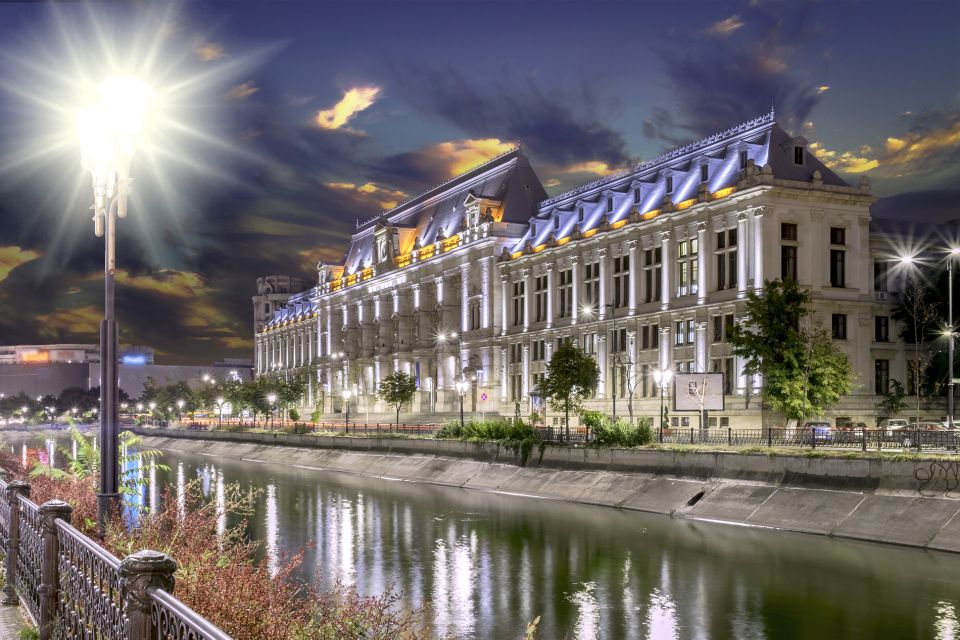
- Victory Avenue (Belle Époque style walking): the most charming street vibe, often compared to the Champs-Élysées look-and-feel
- Architectural “why it matters”: you’ll spot styles like Art-Nouveau, Baroque, and Brancovenesc and learn how they fit together
- Hands-on stories of high society: palaces and cultural venues tied to composers, fashion, and the arts
- Old City atmosphere that stays on-theme: pedestrian lanes, street lamps, vintage cafés, and the kind of corners that invite lingering
- A nightlife tradition with roots: former cabarets, theaters, dance halls, and places that still operate today in the same spirit
Belle Époque Bucharest: where architecture meets the social scene
The Belle Époque theme isn’t just decoration here. It’s a way to understand why Bucharest looks the way it does: a city where the West and East rubbed shoulders, and where prosperity fueled culture, fashion, and public life.
The tour frames this moment in time around King Carol I and the larger European connections of his family. You’ll also hear how that status-building helped transform Bucharest into a stage for music, theatre, dining, and design. The result is a walk that links buildings to behavior—who met where, what people wore, and what kind of night life flourished.
A big plus for you: this approach makes the sights easier to remember. When you know the social context, details like a façade style or a grand hall name turn into a clear mental picture, not random sightseeing photos.
You can also read our reviews of more private tours in Bucharest


Victory Avenue: the closest thing to a Champs-Élysées mood
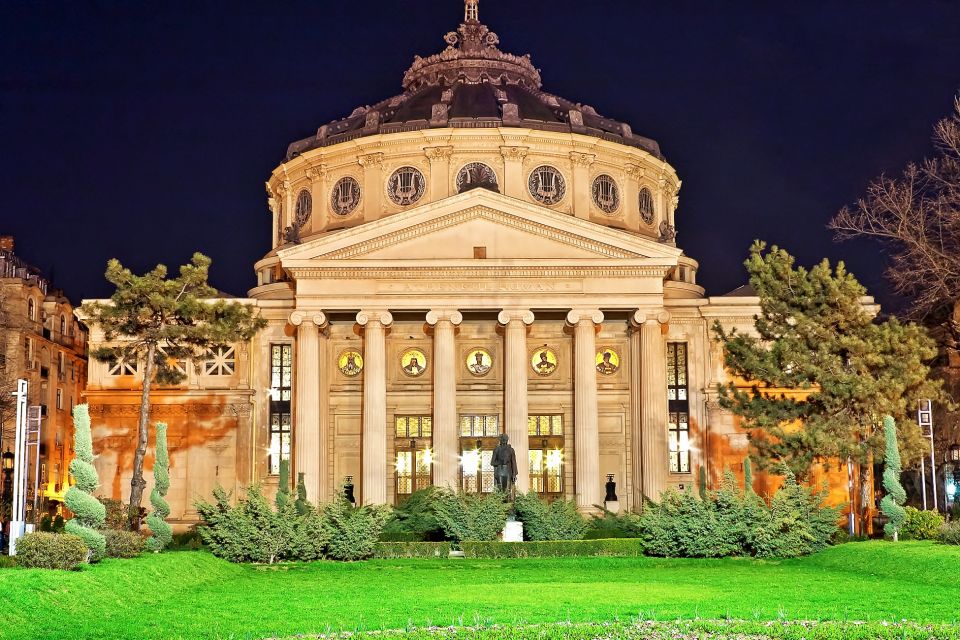
Your day has a natural lead-in via Victory Boulevard/Avenue, described as Bucharest’s most charming street—often compared to the Champs-Élysées. That’s your cue to look beyond the “pretty street” effect and focus on how the avenue functions like a cultural spine.
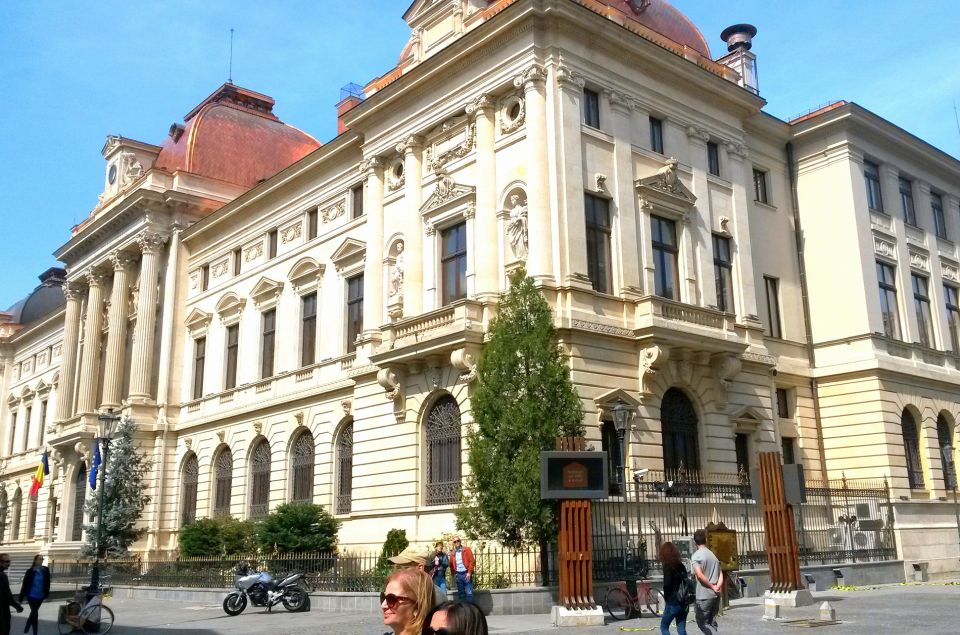
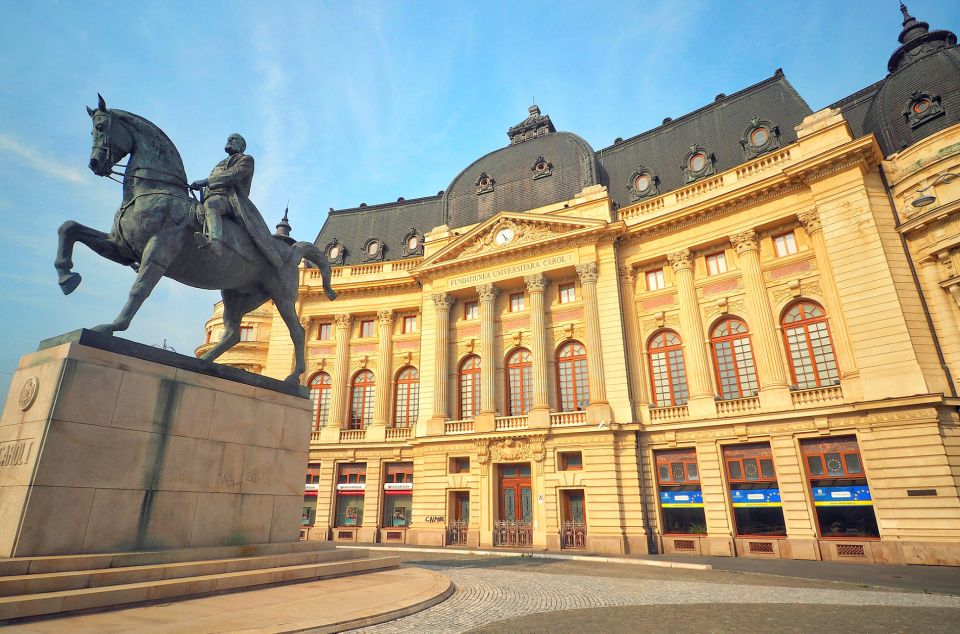
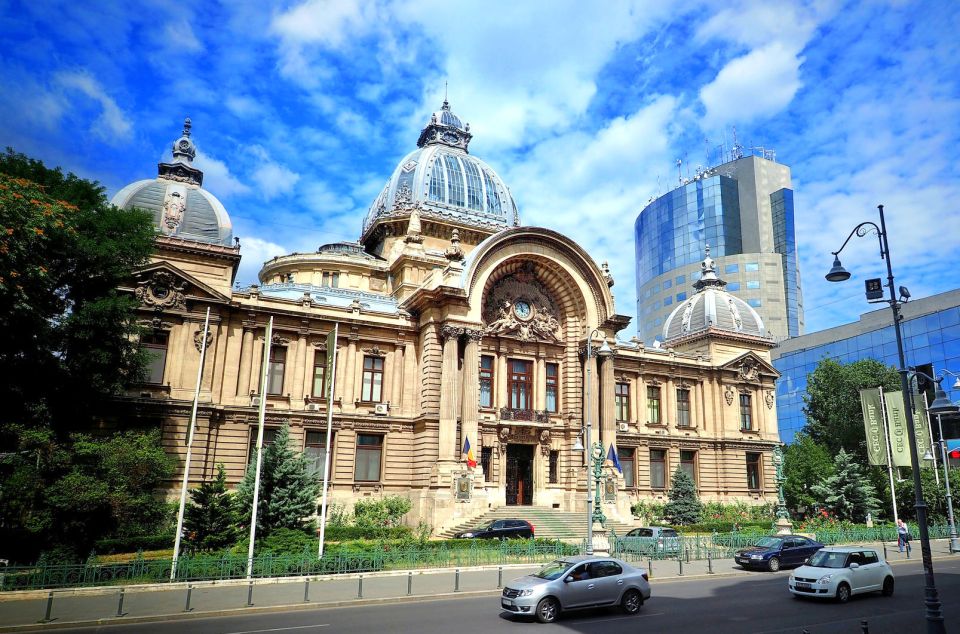
As you walk, you’ll see the city’s core architectural and cultural patrimony, including major buildings tied to Bucharest’s upper social world. Think palaces and institutions connected to music, royalty, and the arts—places where the city showed off its European connections.
Practical tip: expect a steady walking pace for four hours. Wear comfortable shoes. If you’re hoping for long photo stops at every façade, plan to move a bit, pause smartly, and come back for a second look when the guide points out something specific.
The Athenaeum and the composer-era landmarks you’ll want to look twice at
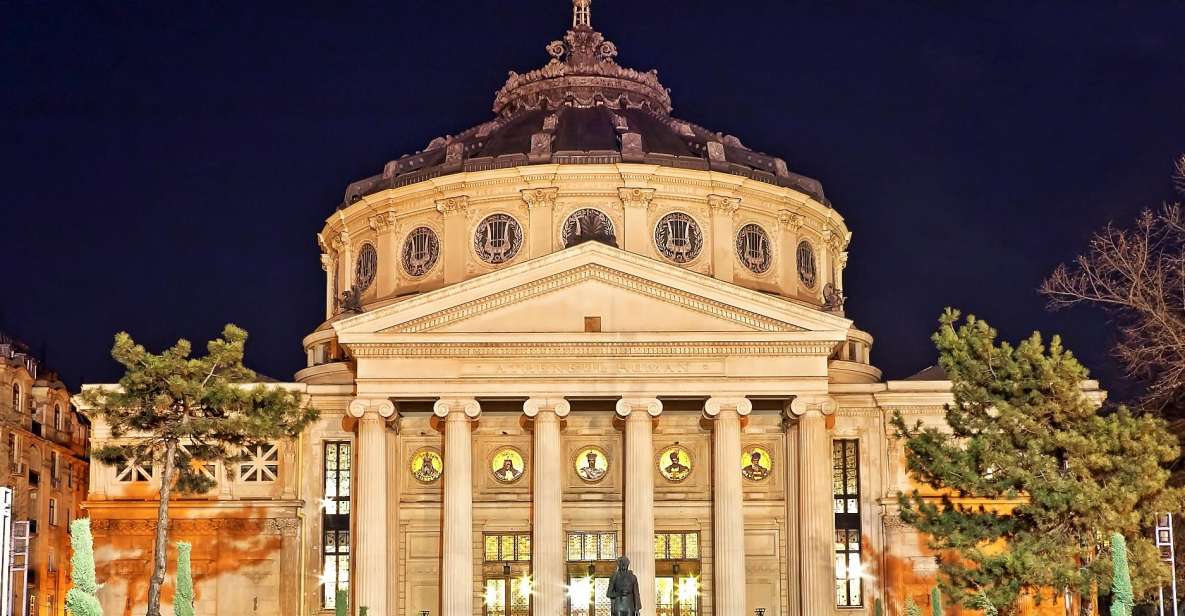
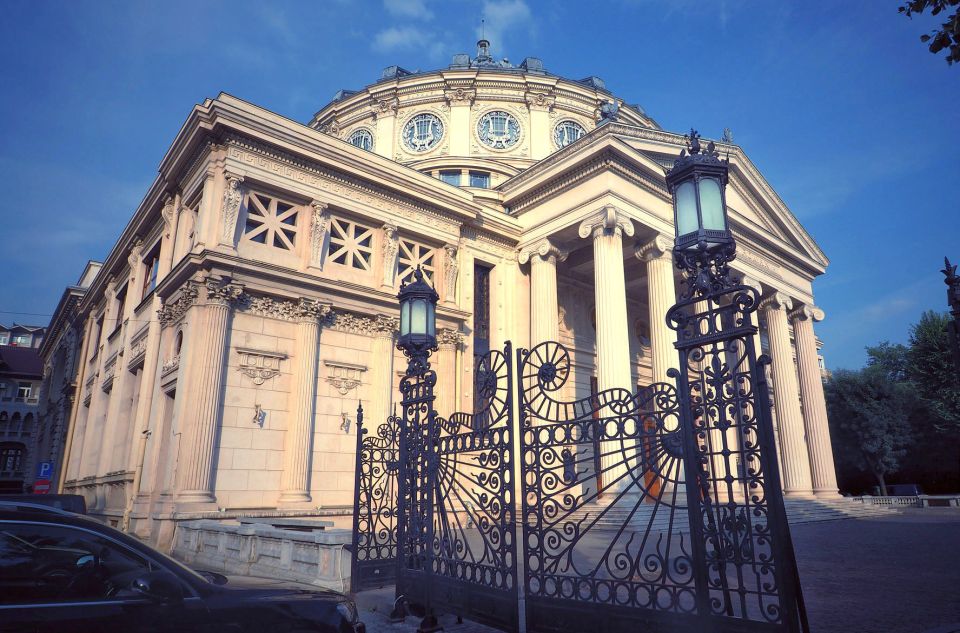
One of the most satisfying parts is how often you’ll hear the guide connect a landmark to a person and a cultural moment. You’ll get to see the Athenaeum music hall, and you’ll also pass the palace of one of the most famous composers of the 20th century.
Those two stops work well together. The Athenaeum represents Bucharest’s public musical life—concert-going, prestige, and the city’s appetite for cultural institutions. Meanwhile, the composer’s palace puts a face on the artistic ambition that supported the whole scene.
You’ll also encounter the former Royal Palace. Even if you’re not a “royal palace person,” it helps you understand the hierarchy of the era: why certain buildings were built where they were, and why grand spaces mattered for gatherings, visibility, and influence.
What I like here for you: it’s not just a list of famous names. The guide’s story structure makes the architecture feel like a living network, with one stop feeding the next.
Capsa Restaurant and Lafayette Galleries: where art, fashion, and status met
This tour doesn’t only chase monuments. It also pulls you into the social machinery behind them—places where artists, noblemen, and trendsetters crossed paths.
You’ll visit Capsa Restaurant, described as a meeting place for noblemen and artists. That’s the kind of detail that makes a meal venue historically useful. It’s not just a place to eat or take a picture; it’s tied to who had access, who worked together, and how taste moved through the city.
You’ll also see the former Lafayette Galleries, associated with the latest Parisian fashion. That detail matters because it explains the city’s “Paris of the East” vibe in a concrete way. Fashion is a language. When Bucharest embraced it, the city signaled that it wanted to be part of Europe’s cultural conversation.
If you’re a first-time visitor, this section helps you understand Bucharest faster. You start to see patterns: music halls for public culture, palaces for power, and stylish venues for everyday status.
Entering the restored Old City: cobblestones, baroque charm, and vintage cafés
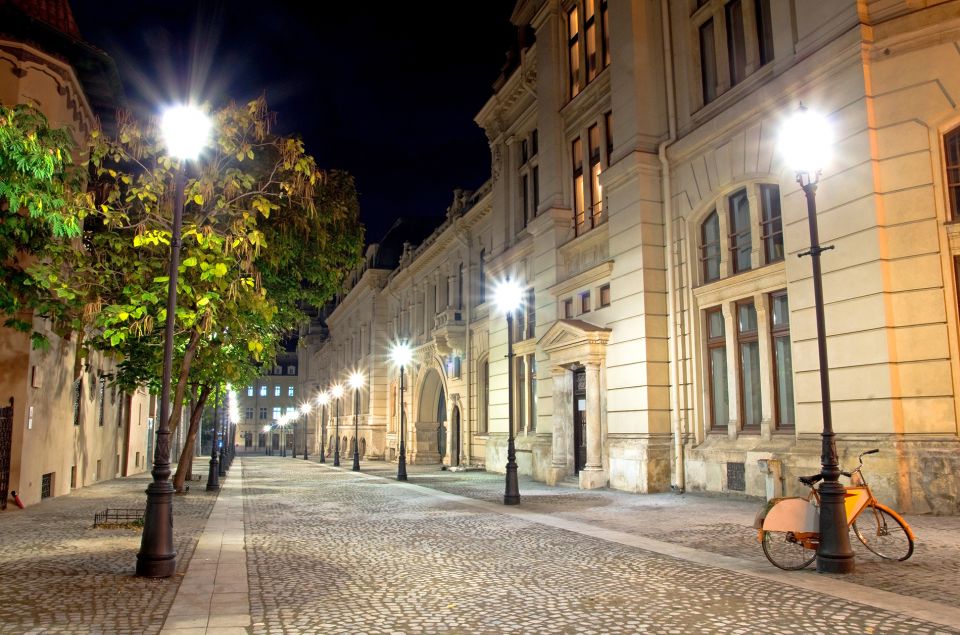
After the grand avenue feel, the tour shifts into the Old City, specifically a fully restored pedestrian area where the cobblestone streets help everything feel intimate and old-world. This is where Bucharest’s elegance goes from “street frontage” to “you can almost hear the past.”
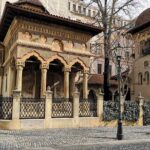
As you move through the Old City core, you’ll find vintage cafés, bistros, and lounges inside 18th-century houses. There’s a lived-in quality here—street lamps, small corners, and the kind of atmosphere where you can picture late-19th-century evenings.
Architecture-wise, this is also your big “styles blending” lesson. You’ll see Baroque architecture and understand how Brancovenesc elements mix with other influences rather than replacing them. It’s that mix that helps Bucharest look distinctly itself, even while echoing broader European tastes.
What to watch for as you walk: façade details and street-level scenes. Often the guide will point out features you’d otherwise miss—ornamentation that signals the building’s era or identity.






Former cabarets and working beer houses: the Belle Époque nightlife thread
The Old City portion continues into the fun part: former cabarets, theaters, dance halls, and even inns and beer houses that keep a century-old tradition. This is where the “tango & Charleston dances, balls, and secret love letters” theme stops sounding like marketing and starts feeling like a plausible picture of the streets.
The way this is framed is smart. Nightlife spaces tell you what mattered to people outside official institutions. You learn that culture wasn’t only in grand halls—it was also in cabarets, stages, and everyday gathering spots.
One caution for your planning: you’re not going inside a ton of buildings in a long museum way. This tour is designed for storytelling and street viewing. If you want lots of interior time in specific venues, you may find yourself wishing for more ticketed stops. Still, the route makes sense for a single four-hour introduction.
How the 4-hour private format works for real life
This is a private group tour, with a professional English-speaking guide. Your included hotel pick-up and drop-off by car helps a lot if your feet are already tired from travel days.
Time-wise, four hours is an excellent sweet spot. You cover Victory Avenue and the Old City without turning the day into a marathon. It also means you’ll likely finish with the kind of mental map that helps you enjoy Bucharest the rest of your stay.
For you, the most important practical move is to come ready to walk and look. Bring water. If you’re the type who likes to take time at cafés, you might need to manage expectations since meals/snacks aren’t included. I’d plan a proper dinner after, not during.
Also, this tour is wheelchair accessible, so it’s worth considering if you need that support. Just keep in mind that historic streets can still feel uneven depending on conditions.
Price and value: what $104 buys you in Bucharest
At $104 per person for a four-hour private tour, the value comes from three things: guided time, a structured story, and access to context.
A self-guided walk can show you beautiful streets and buildings. But it won’t automatically connect the “why” behind the Athenaeum, the Royal Palace, Capsa, and the Old City’s restored lanes. Here, the guide stitches those pieces into one timeline tied to the city’s prosperity and social life.
Private also matters. You’re not competing with a large group for attention at the exact moment the guide points out a façade detail or explains a cultural role. And with a story-led format, that personalized pacing makes a difference in what you remember afterward.
Based on high ratings from past bookings, guides like Michael and Emma have been praised for their engaging stories and strong city and Romania knowledge. That’s exactly what you want for architecture-and-culture tours—someone who can turn stone and streets into something understandable.
Who should book this Belle Époque tour
This tour is a great match if you want:
- a first introduction to Bucharest that’s more than photos
- architecture and culture explained through people and social life
- a compact four-hour outing with a clear narrative arc
- an experience that moves from grand boulevards into the Old City atmosphere
It may not be your best fit if you prefer only museum interiors, or if you want long, slow breaks for food and shopping. And since meals aren’t included, plan a snack buffer or a later meal you’ll enjoy.
Should you book this tour?
Yes, if you want Bucharest to make sense quickly and you enjoy architectural stories. The Victory Avenue-to-Old City flow is well matched to the Belle Époque theme, and the focus on social and cultural life helps you connect what you see to why it mattered.
I’d book it especially if you’re staying a short time. Four hours gives you a solid framework, and you’ll be able to walk around on your own afterward with better instincts for what to look for.
FAQ
How long is the Bucharest Belle Époque private tour?
It lasts 4 hours.
What’s included in the price?
The tour includes hotel pick-up and drop-off by car and a professional English-speaking guide.
Are meals included?
No. Meals and snacks are not included.
Is the tour private?
Yes. It’s a private group tour.
What languages are available for the guide?
The guide speaks English and Romanian.
What are the cancellation terms and booking options?
You can cancel up to 24 hours in advance for a full refund. You can also reserve now and pay later.