REVIEW · BUCHAREST
Private 8 Day Romania UNESCO Tour
Book on Viator →Operated by Visit Transilvania Travel · Bookable on Viator
Eight days, and Romania feels like it has chapters. This private UNESCO route ties together the painted monasteries of Bucovina and the UNESCO wooden churches of Maramures with enough village life to make it feel personal, not just checklist tourism. I love the way your guide turns each stop into a story about what people actually believed, built, and ate. The one thing to plan for: the schedule is packed, with long driving days and some sights that cost extra (entrance fees are about 85 euro total).
What also makes this tour work is the balance between big-name cities and smaller, hands-on moments. You get city walks in places like Sibiu, Cluj-Napoca, and Sighisoara, then you trade formal museum time for crafts, dinners, and tastings like the jam, chutney, and syrup stop. The possible drawback is simple: if you want a slow pace with lots of free time in each town, this route will feel a bit like a relay.
In This Review
- Key highlights you’ll feel right away
- How this 8-day UNESCO route actually flows
- Bucharest start: palaces, revolution, and a guide who sets the tone
- Sibiu old town and the horse wagon dinner in Sibiel
- Corvin Castle and Alba Iulia’s fortifications and ruins
- Cluj-Napoca mornings, then Maramures wooden churches and village craft
- Sapanta Merry Cemetery and the tall wooden churches of Peri
- Bucovina painted monasteries: Voronet, Moldovita, and Sucevita in context
- Carpathian views to Sighisoara: Voronet, Red Lake, Bicaz Gorges
- Sighisoara UNESCO to Brasov: fortified churches and gothic scale
- Bran Castle, Peles Castle, and the Bucharest wrap-up
- Price and logistics: what $2,315.49 per person buys you
- Where you sleep: city comfort and rural authenticity
- Who should book this, and who might want a slower plan
- Should you book the Private 8 Day Romania UNESCO Tour?
- FAQ
- What time does the tour start on the first day?
- Is this tour private or shared?
- Does the tour include pickup from my hotel?
- Where does the tour end?
- What meals are included?
- Are entrance tickets included?
- Which UNESCO sites does the itinerary list?
- What is the transport like during the tour?
- What kind of accommodation is provided?
- What is the cancellation deadline for a full refund?
Key highlights you’ll feel right away
- A private guide from start to finish: pickup in Bucharest, constant help, and real time to ask questions.
- UNESCO stops that match the theme: wooden churches in Maramures and painted monasteries in Bucovina are front and center.
- More than sightseeing: horse-driven wagon time near Sibiu plus home-style meals and local tastings.
- Craft-focused detours: weavers, wood carvers, black pottery, and painted-egg culture show up more than once.
- Castles at the end, with context: Bran and Peles land you back in the Romania people picture first.
How this 8-day UNESCO route actually flows
This itinerary is built like a big loop through three Romanian regions: Wallachia around Bucharest and the first monastery, Transylvania through medieval towns and fortifications, then the north with Maramures and Bucovina, where the UNESCO sites are almost all about how faith and wood (or paint) shaped daily life. By the time you reach Sighisoara and Brasov, you’ll already understand why people built high walls, decorated churches, and guarded passes.
I like that the tour doesn’t pretend you can do everything on foot. You’re moving by car or minibus, and each driving segment sets up what you’ll see next: towers and frescoes, then villages, then fortresses again. It’s practical, and it keeps the day’s stops from feeling random.
You can also read our reviews of more private tours in Bucharest

Bucharest start: palaces, revolution, and a guide who sets the tone
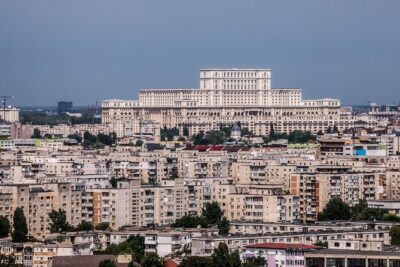
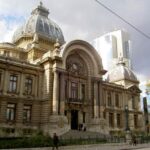
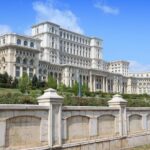
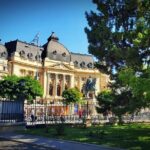
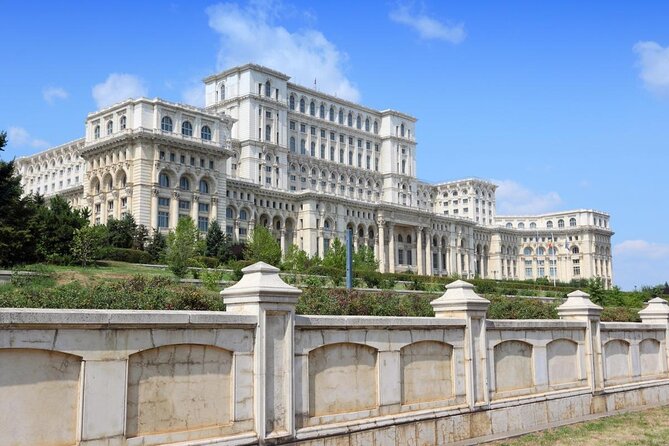
Day 1 begins at 9:00 AM with meeting your guide at your Bucharest hotel, then a panoramic tour of the city’s major symbols. You’ll see the Parliament Palace, Revolution Square, the Athenaeum, the Royal Palace, Triumph Arch, and Victoriei Avenue. This matters more than it sounds: Bucharest’s landmarks explain the modern Romania you’re about to travel through.
After the city view, the day quickly switches into a historical rhythm with Cozia Monastery. Cozia dates to the end of the 14th century and is a clear example of Romanian church architecture, with the added bonus of being the burial place of Mircea the Old, a major Wallachian ruler. The monastery stop is listed as free admission, and it’s a good moment to reset before the medieval-town walk.
Sibiu old town and the horse wagon dinner in Sibiel
Sibiu is where the tour sharpens from big-city orientation into Transylvania’s medieval feel. You get a walking tour of Sibiu’s Old District, including the Big Square, Small Square, the Staircase Tower, Liar’s Bridge, and the medieval walls and fortifications. It also includes time at multiple churches: Evangelical, Catholic, and Orthodox.
One reason I enjoy this day: you’re not only looking at stones and rooftops. The itinerary ends with a drive to Sibiel, outside of Sibiu, where tradition is still visible in daily life. You’ll take a horse-driven wagon tour through the older village area, then enjoy a home-made dinner with traditional products. It’s the kind of evening that makes the next castle day feel earned, not rushed.
You’ll sleep in a local guest house that night, which is a different feel than a city hotel. It’s also where you start to get a real sense of how the tour connects architecture to people.
Corvin Castle and Alba Iulia’s fortifications and ruins
Day 2 pushes deeper into medieval power with a stop in Hunedoara for Castelul Corvinilor, also known as Corvin’s (Hunyad) Castle. The itinerary calls it the biggest medieval castle in Romania and links it to the 15th century, with a role as a residence of Transylvanian governors. Admission here is listed as not included, so build that into your planning if you’re serious about castle interiors.
Then you move to Alba Iulia, a city with long historical layers. You’ll see the Orthodox Cathedral and Catholic Cathedral, the fortification system built in Vauban style, and Roman ruins from one of the biggest Roman cities in the area. Alba Iulia is also tied to the city of the Union theme in Romanian history, so your guide will likely connect why this place matters beyond architecture.
You finish the day in Cluj-Napoca and stay at a 4-star hotel or similar. That’s a nice pacing choice. After rural-feeling segments, it gives you comfortable downtime before the UNESCO wood-church days.
Cluj-Napoca mornings, then Maramures wooden churches and village craft
Day 3 starts with Cluj-Napoca, the biggest city in Transylvania. You get a walking tour with St Michael’s Cathedral, Union Square, Museum Square, the Orthodox Cathedral, the National Theatre, and the Matei Corvin statue, plus the overall medieval-modern blend your guide can explain on the ground.
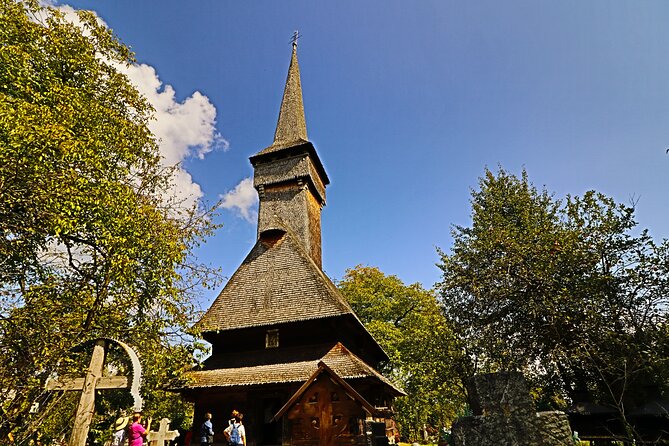
From there, the itinerary jumps north to Maramures, the region known in this tour for wooden churches and well-preserved traditions. You stop at Surdesti wooden church first, listed as UNESCO, built in 1766 with wood structure and noted for its 54-meter-tall tower height. Then you go to Desesti for the Church of the Holy Paraskeva, another UNESCO wooden church. Admission is listed as not included for these two church stops, so again, plan for some ticket costs.
The best part is what comes between and around the churches. The itinerary also includes time to meet local craftsmen tied to traditional life—things like a traditional weaver and a wood carver, plus a water mill and traditional household examples. This is how you stop seeing wood churches as just pretty photos.
The day ends with Barsana Monastery, described as a good example of monastic life and wooden architecture. There’s also an optional visit to a local carver workshop. You sleep in Botiza village at a local pension that night, which keeps the feel grounded.

Sapanta Merry Cemetery and the tall wooden churches of Peri
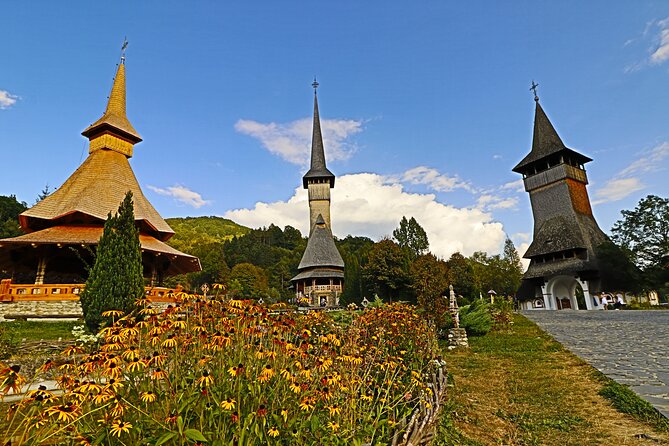
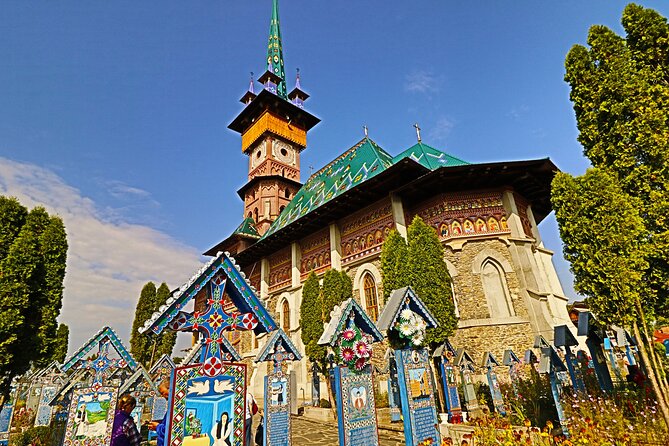
Day 4 keeps the Maramures theme moving, but with two standout UNESCO-linked experiences. First is Sapanta Merry Cemetery, listed as UNESCO. The key detail here is the colorful tombstones with funny poetry, which turns a somber place into a cultural snapshot of how people talked about grief, humor, and memory.
In the same village, you can also see Sapanta Peri (the itinerary calls it Sapanta Peri at Sapanta-Peri Monastery), described as the highest wooden church in the world at 75 meters and linked to Sapanta Peri Church. Admission is listed as included for these stops, and the height details are part of the point.
Later, the itinerary passes through Sighet and offers an optional stop at the Communist Prison Museum. That’s the kind of detour that fits well if you want more than visual culture—something about Romania’s modern story. Admission here is not specified as included or not, but it’s clearly marked as optional.
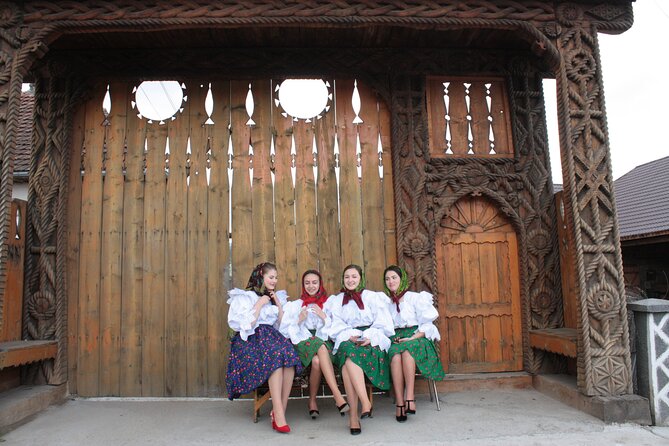
In the afternoon, you go to the Maramures Woman Museum at Dragomiresti, with time to see how people from Maramures used to live. The itinerary specifically mentions an impressive wooden gate with carved symbols, and this is a good moment to ask your guide what the carvings represent. The Bogdan Voda Wooden Church follows next, listed as UNESCO, with early 18th-century dating and frescoes painted on wood.
You return to Botiza for an evening at leisure. The itinerary keeps it flexible here—short walks, relaxing, and just letting the wood-and-paint visuals settle in.
Bucovina painted monasteries: Voronet, Moldovita, and Sucevita in context
If your main interest is painted monasteries, Day 5 and Day 6 are the reason you booked this tour. Day 5 begins with a scenic drive across the Carpathians toward Bucovina, with a stop in Ciocanesti, a village known for decorated houses and painted eggs traditions. There’s also an optional local museum.
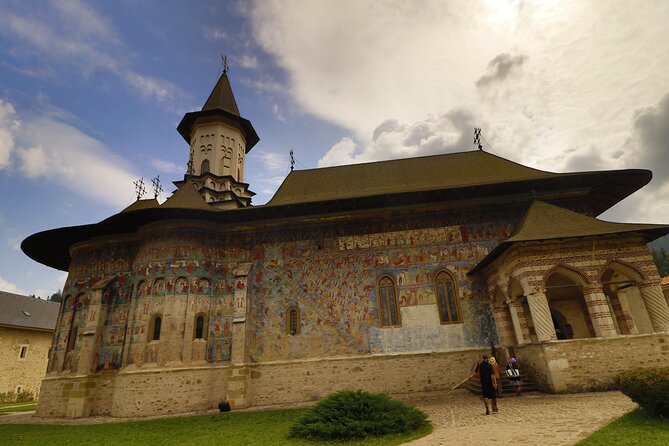
Then you visit Moldovita Monastery, listed as UNESCO, built in the 15th–16th centuries and preserving original interior and exterior frescoes. Sucevita Monastery follows and is described as the most magnificent achievement among the painted monasteries in Bucovina, with fortress-like features: towers, buttresses, and watch roads.
Between monasteries, you also get cultural stops that connect art to everyday tradition. There’s a museum focused on painted eggs at the Muzeul International al Oualor Lucia Condrea, with time to see the techniques and designs behind the tradition. You also visit Ceramica neagra Marginea, a local family workshop producing black pottery using old technology. It’s a great counterpoint to the monastery frescoes: art made by hand, not just by commission.
Carpathian views to Sighisoara: Voronet, Red Lake, Bicaz Gorges
Day 6 starts with Voronet Monastery, described as founded in 1488 by Stephen the Great. It’s famous in this tour for frescoes with a Last Judgment scene and a distinctive blue background color. Admission for Voronet is listed as not included, so keep your budget in mind.
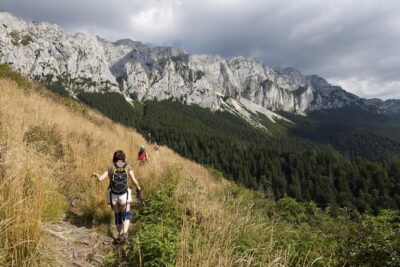
Then you cross back through the Carpathians toward Transylvania, with stops including Red Lake and Bicaz Gorges. These are shorter breaks, each around 30 minutes in the itinerary, which works well after longer church and museum time. They give you breathing room and change the pace without derailing the overall plan.
You end the day in Sighisoara. That means you arrive before your longer walking day, and you can wake up ready to explore a medieval town that still feels intact.
Sighisoara UNESCO to Brasov: fortified churches and gothic scale
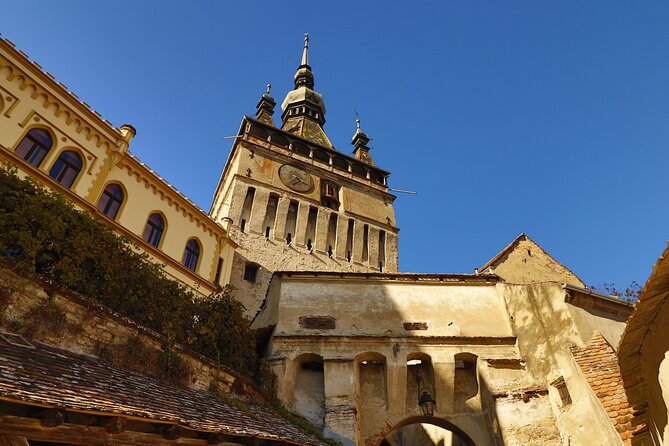
Day 7 is medieval town day, with two UNESCO-linked themes: preserved Saxon town life and defensive church architecture. You start with a walking tour of Sighisoara’s medieval center, listed as UNESCO. The itinerary calls it the Pearl of Transylvania and highlights the citadel built in the 13th century by German (Saxon) settlers, plus why it matters as a cultural and artistic center in medieval times.
Next is a calmer countryside stop near charming Transylvanian villages, with a stop in Saschiz for jam, chutney, and syrup tasting at Pivnita Bunicii. Admission is listed as included here, so you know you’re paying for more than just a quick photo.
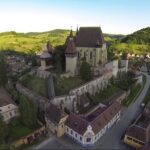
Then comes Prejmer, with the Peasant Fortified Church, another UNESCO site from the 13th century. This fortified church stop is one of the best ways to understand how protection and worship overlapped.
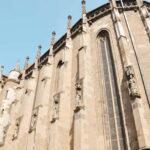
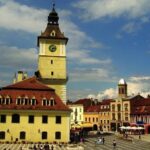
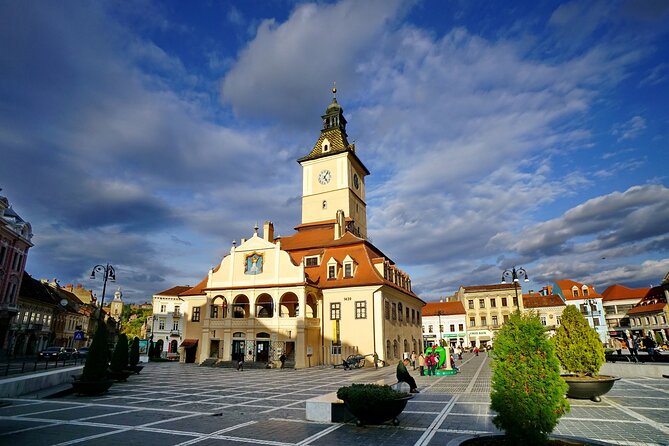
In the afternoon, you shift into Brasov’s medieval center. You’ll see Council Square, the Black Church, White and Black Towers, Weaver’s Bastion, and Ecaterina’s Gate. The Black Church stop is listed as not included for admission, while Weaver’s Bastion also appears as not included.
You get time for a walking flow through the old town, not a rushed bus drop. It’s also a practical way to end the day: Brasov’s main sights are concentrated enough that your guide can keep everything in order without forcing you to sprint.
Bran Castle, Peles Castle, and the Bucharest wrap-up
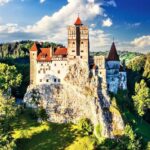
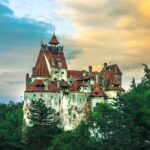
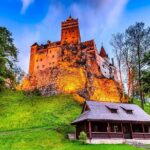
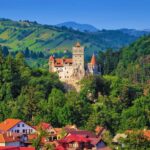
Day 8 closes the loop with two of Romania’s most famous royal and medieval stops. First is Bran Castle, built in the 14th century and described here as an impressive medieval gothic castle that controlled access in Transylvania. It’s known today due to Dracula’s legend, and the itinerary gives you 1 hour 30 minutes to experience it.
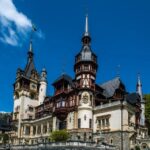
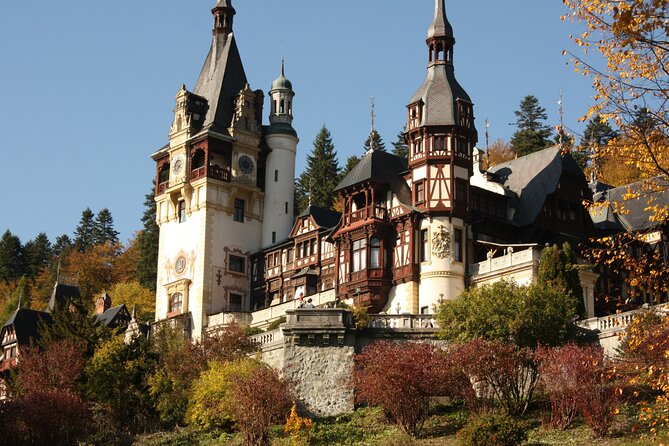
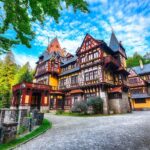
Then you head to Sinaia for Peles Castle, the former summer residence of Romanian kings. The itinerary’s description is clear: Peles is one of the nicest former royal residences in Europe, and it’s a great finish after days of wood churches and fortress churches. Admission is listed as not included, so you’ll likely pay at least one of these major sites on the last day.
Finally, you return to Bucharest around 16:00, with drop-off at the airport or at your hotel. That timing is helpful if you like to stay organized and avoid late-night travel chaos.
Price and logistics: what $2,315.49 per person buys you
At $2,315.49 per person, this is a higher-end private tour. The value comes from three big buckets: private guide, transport, and a meaningful portion of your meals and lodging.
You get 7 nights in double or twin rooms, private transport in a car or minibus, and breakfast for 7 days. Dinner is included for 3 days, plus specific meals and tastings tied to the cultural theme: the horse wagon village dinner near Sibiu and the jam/chutney/syrup tasting stop. Those are small costs that add up fast when you plan yourself.
Entrance tickets are the main wild card. The itinerary notes that admissions are about 85 euro total. Some stops are listed free, but others like Corvin’s Castle, Moldovita, Sucevita, and major churches or castle interiors are not included. If you’re the type who hates paying at the last minute, do yourself a favor and set that budget aside early.
Where you sleep: city comfort and rural authenticity
You’re not staying in only one type of place. The tour includes a mix: a hotel in Cluj-Napoca (4-star or similar), plus rural options like a local guest house near Sibiu and a local pension in Botiza. That shift matters because it matches the theme of the trip: cities for structure and context, villages for day-to-day life.
In other words, you’re not just visiting the countryside for two hours and then returning to the same bed every night. You’ll feel the rhythm change, and your evenings will look very different depending on where you are.
Who should book this, and who might want a slower plan
This tour fits best if you want a guided route that covers a lot of UNESCO sites without the stress of researching every connection. It’s also ideal if your top interest is painted monasteries but you still want the “how did people live” context around them. The structure gives you that: monasteries plus wooden churches plus craft workshops plus tastings.
It’s less ideal if you hate long drives or you want lots of downtime in each location. This is an 8-day route with multiple regions, and the pace stays busy by design.
Should you book the Private 8 Day Romania UNESCO Tour?
If you want an organized way to see UNESCO Romania highlights—without turning the trip into solo logistics—this is a strong choice. The best reason to book is the way the guide connects the art to the people: frescoes with context, wood churches with crafts and village life, and castles with the broader story of power and protection.
If you’re sensitive to crowds, time pressure, or extra ticket fees, take a careful look at the packed schedule and plan for the entrance costs. Then you can enjoy what this tour does well: a clear overview of Romania’s big visual themes, plus enough real culture to keep it from feeling like a photo sprint.
FAQ
What time does the tour start on the first day?
The tour starts at 9:00 AM. You meet your tour guide in the morning at your Bucharest hotel.
Is this tour private or shared?
It’s a private tour. Only your group will participate.
Does the tour include pickup from my hotel?
Pickup is offered, and you meet the guide at your hotel in Bucharest for the 9:00 AM start.
Where does the tour end?
The tour ends back in Bucharest around 16:00, with drop-off at the airport or at a hotel in Bucharest.
What meals are included?
Breakfast is included for 7 days. Dinner is included for 3 days, plus there is a home-made dinner included during the Sibiel village visit.
Are entrance tickets included?
Some admissions are included and some are not. The tour notes entrance tickets as per itinerary, with an estimated total of about 85 euro.
Which UNESCO sites does the itinerary list?
The itinerary lists UNESCO sites including Cozia Monastery, Surdesti wooden church, Desesti wooden church, Sapanta Merry Cemetery, Sapanta-Peri Monastery, Bogdan Voda Wooden Church, Moldovita Monastery, Sucevita Monastery, Voronet Monastery, Sighisoara medieval town center, and the Peasant Fortified Church at Prejmer.
What is the transport like during the tour?
You travel by car or minibus, with your private tour guide accompanying you across the route.
What kind of accommodation is provided?
The tour includes 7 nights in double or twin rooms. It also specifies a 4-star hotel or similar in Cluj-Napoca, plus local guest house accommodation near Sibiu and a local pension in Botiza.
What is the cancellation deadline for a full refund?
You can cancel up to 3 days in advance of the experience for a full refund, meaning you must cancel at least 3 full days before the experience’s start time.