REVIEW · BUCHAREST
4-Day Inside Transylvania & Transfagarasan Tour from Bucharest
Book on Viator →Operated by One Excellence Tours · Bookable on Viator
Romania, Dracula, and epic roads in four days. I love the way this trip strings together fairytale castles and real medieval towns, and you’ll also appreciate that breakfasts, dinners, and three hotel nights are handled for you. The one thing to watch: entrance tickets are not included, and Peles Castle has specific closure days, so you might only see it from the outside depending on when you go.
This is built for people who want the big sights without stress. You travel in an air-conditioned vehicle with a professional English-speaking guide, and the group stays small (max 8), which makes it easier to move, ask questions, and adjust when the road gets slow. If you dislike early starts or long drives, this may feel like a lot—this route is about covering ground.
In This Review
- Key points before you go
- First Things First: Who This 4-Day Tour Actually Suits
- Price and Value: Is About $1,200 Reasonable?
- From Bucharest to Peles and Bran: The Dracula-to-Royalty Start
- Peles Castle: Royal style, German Renaissance details
- Bran Castle: The Dracula link (and the fortress vibe)
- Brasov’s medieval core: Fast, satisfying, and walkable
- Sighisoara’s Citadel: Medieval Living and a View from the Clock Tower
- Viscri and Biertan: Saxon Fortified Churches Without the Rush
- Viscri: A village that feels stuck in time
- Biertan: One of Transylvania’s best-known fortified churches
- Sibiu stop: German Saxon culture and the Bridge of Lies
- Corvin Castle to Alba Iulia: Big Names, Big Moments
- Corvin Castle: Medieval drama in stone
- Alba Iulia: Where Romania’s unification was signed
- Transfagarasan or Olt Valley: Carpathian Road Views and a Monastery Stop
- July to October: Take the Transfagarasan road
- Other months: Olt Valley route plus Cozia Monastery
- Meals, Food Stops, and the Best Part of a Guided Trip
- Castles and Tickets: What’s Included vs What You’ll Pay On Your Own
- Comfort, Group Size, and Staying Sane on the Road
- Quick Reality Check: The One Thing That Can Change Your Experience
- Should You Book This Transylvania and Transfagarasan Tour?
- FAQ
- How many people are in the group?
- What’s the total time of the tour?
- What language is the tour offered in?
- What’s included in the price?
- Are entrance fees included for the castles and churches?
- Which road do you take back to Bucharest, and does it depend on the season?
- What happens if Peles Castle is closed on the day of the tour?
Key points before you go
- Max 8 people means more chat time with your guide and fewer delays at each stop
- 3 nights of hotel stays plus meals (breakfasts and dinners) remove a major planning headache
- Peles and Bran deliver the classic Dracula-meets-Royal-Romania contrast
- Sighisoara, Viscri, Biertan, Sibiu show Transylvania’s Saxon side, not just the vampire stuff
- Seasonal route choice: Transfagarasan in July–October, otherwise the Olt Valley route with a monastery stop
- Entrance tickets and photo fees can add cost, and Peles may be closed on certain days
First Things First: Who This 4-Day Tour Actually Suits
This is a good match if you want a classic Transylvania sampler with efficient logistics. You’ll hit castles, fortified church towns, and Romania’s unification moment in a tight loop—all while someone else handles driving and timing.
It also fits food lovers who don’t want to guess what to order. You’ll have dinners and breakfasts included throughout, and your guide can steer you toward traditional Romanian dishes and local drinks.
But if you’re the type who prefers slow days and zero motion, this won’t match your style. Expect walking in medieval centers and a climb up to a historic clock tower, so bring comfortable shoes and a moderate pace.
You can also read our reviews of more tours and experiences in Bucharest
Price and Value: Is About $1,200 Reasonable?
At $1,197.21 per person, this trip isn’t cheap on paper. The question is what that price covers, and in this case it covers the expensive parts: transport, guiding, and lodging.
Here’s where the value comes from:
- 3 nights of hotels are included, so you’re not hunting for rooms mid-trip.
- Breakfasts and dinners are included, which saves both time and money.
- You get a professional English-speaking guide, live commentary during the journey, and air-conditioned group transport.
What can push the real cost higher is straightforward. Entrance fees and photo fees aren’t included, and you may want to add optional experiences in villages like Viscri (small costs for extras). Still, compared to booking transport and lodging separately for a region-hopping route, the package format tends to work out well—especially for small groups.
From Bucharest to Peles and Bran: The Dracula-to-Royalty Start
Your day begins with pickup from a central Bucharest hotel area, and then you’re on the road toward Transylvania. The drive sets the tone: less “airport tour” and more “Romanian road movie,” with a guide ready to explain what you’re seeing as you go.
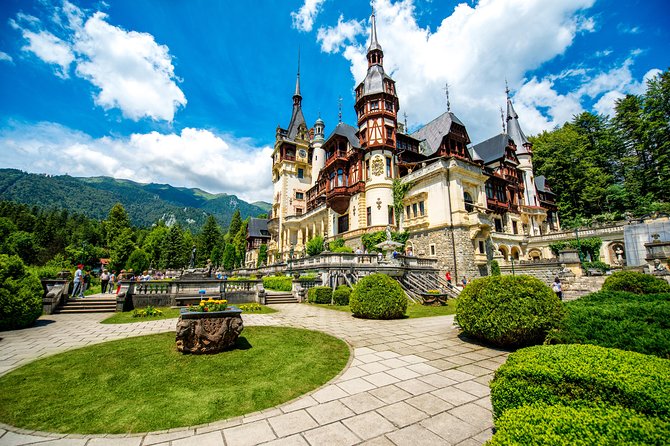
Peles Castle: Royal style, German Renaissance details
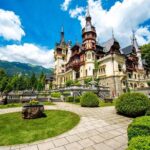
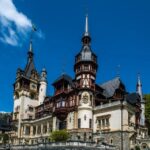
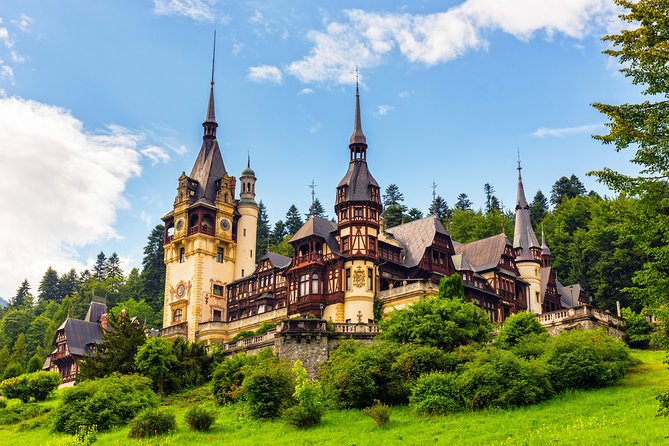
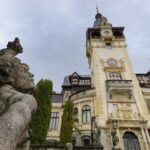
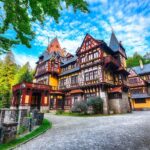
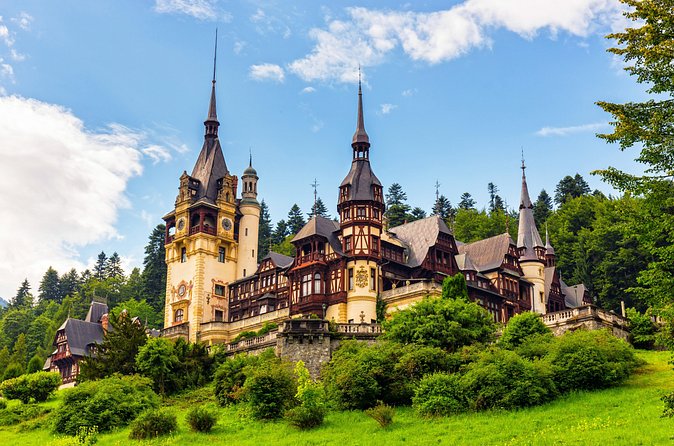
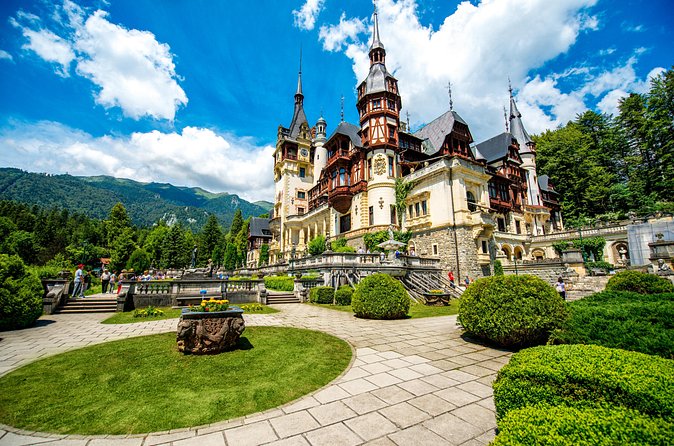
You start with Peles Castle, a 19th-century Romanian royal palace known for its German Renaissance influence. The palace experience is not included in the ticket price, so plan to pay there if it’s open.
Important heads-up: Peles is closed on Mondays year-round and Tuesdays from 1 August 2024 to 1 May 2025. If your dates fall into that window, you may only see it from the outside.
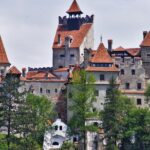
Bran Castle: The Dracula link (and the fortress vibe)
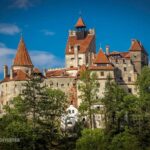
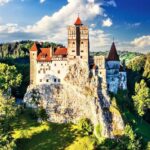
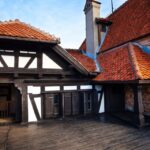
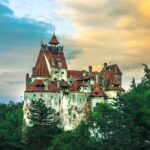
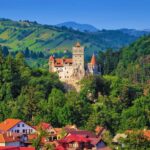
Next is Bran Castle, the one most people associate with Dracula. Even if you’re not a hardcore vampire fan, it’s worth it for the strategic fortress position—over a valley, like it was built to watch the borderlands.
Again, entrance tickets aren’t included, and Bran has its own atmosphere: stone, steep bits, and that classic “film set” feel. It’s also a good stop for learning how Vlad the Impaler became part of the castle’s story.

Brasov’s medieval core: Fast, satisfying, and walkable
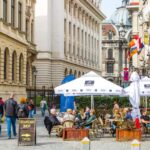
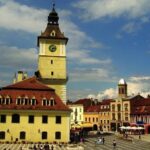
In the afternoon you reach Brasov, where you get a short walking tour starting at the main square. You’ll see the old City Hall with its clock tower, the Gothic Black Church, fortifications, watch towers, craftsmen guild markers, and the narrowest street in Europe.
This is the kind of stop that works well because it doesn’t stretch too long. You get atmosphere, orientation, and a medieval taste without turning the day into a marathon.
Then you move on to Sighisoara for the evening and your included stay.
Sighisoara’s Citadel: Medieval Living and a View from the Clock Tower
After breakfast, Sighisoara is first up on Day 2. This is one of those places where the medieval layout still feels lived-in, not staged for tourists.
You’ll walk through the medieval citadel and see key landmarks, including the birthplace connection tied to Vlad Dracula. The tour includes a climb up the 500-year-old clock tower, and that view is the reward for your legs.
If you’re visiting with kids or anyone who hates steep stairs, take it slower. The route is generally manageable, but the clock-tower climb is real enough that moderate physical fitness makes the experience more pleasant.
Viscri and Biertan: Saxon Fortified Churches Without the Rush
Later in the day, you head to Transylvania’s Saxon villages, where “fortified church” means something very specific. These sites were built to protect communities, and the architecture reflects that practical history.
Viscri: A village that feels stuck in time
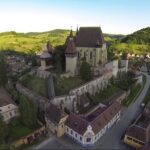
In Viscri, you visit a fortified church and get time in a village that’s described as among the best-preserved Saxon settlements. This is where the tour slows down in a good way.
There are optional add-ons, and they’re priced separately:
- A visit to a local blacksmith within a traditional Gypsy family: 5 Euro/person
- A horse-and-cart ride: 10 Euro/person
- A traditional lunch: own expense
Even if you skip extras, the point is the setting: it’s quieter, less commercial, and easier to understand the region outside the big-city tour script.
Biertan: One of Transylvania’s best-known fortified churches
Then you reach Biertan Fortified Church. Entrance tickets aren’t included here either, but you’ll have time to look inside and learn the story behind one of the region’s most famous fortified churches.
Biertan tends to land well because it explains function. You’re not just admiring stone; you’re seeing how protection shaped daily life.
Sibiu stop: German Saxon culture and the Bridge of Lies
The day ends with a stop in Sibiu, also known as Hermannstadt. This is tied to the long German Saxon presence in the region, with roots going back over 800 years.
You’ll see Great Square and learn about the Bridge of Lies, plus you’ll get references to places like the Brukenthal Museum. Some stops here are quick, but the payoff is context—you’re seeing how different communities shaped Transylvania’s look.
Corvin Castle to Alba Iulia: Big Names, Big Moments
Day 3 is built around two history-forward stops, and the vibe shifts from fortified villages to major sites tied to power and state-building.
Corvin Castle: Medieval drama in stone
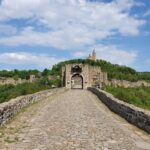
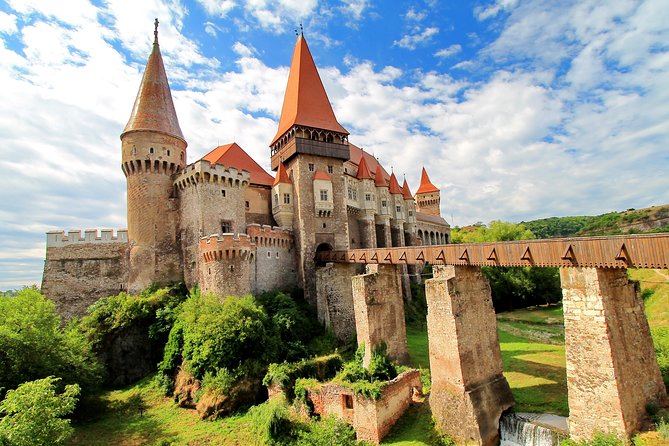
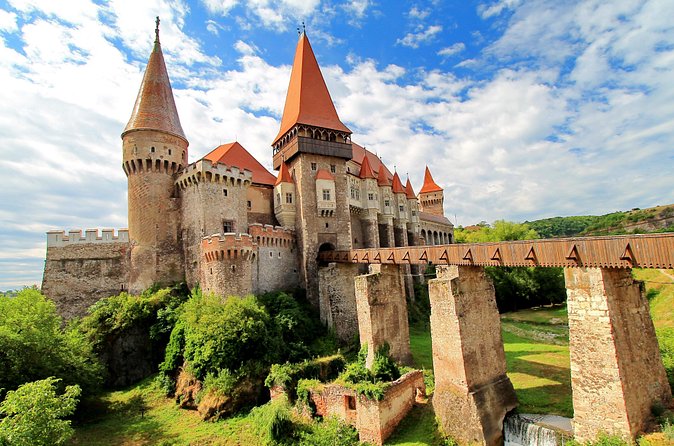
You start with Castelul Corvinilor, a well-preserved medieval castle. You’ll get guided explanation of Transylvanian history here, and this is one of those stops where the scale makes your photos make sense.
In one personal highlight from a guide named Silviu, the story delivery at Corvin Castle was so lively it felt like a Game of Thrones scene. If your guide leans into the characters and politics, this castle can be more entertaining than you’d expect.
Entrance tickets aren’t included, so budget for that if you want the full interior access.
Alba Iulia: Where Romania’s unification was signed
Next is Alba Iulia, the city where Romanian unification was signed. This is a different kind of “wow” moment, more civic than gothic: Roman and medieval streets, plus the sense that modern Romania has deep roots.
The included time lets you wander enough to feel the layers without feeling rushed.
Transfagarasan or Olt Valley: Carpathian Road Views and a Monastery Stop
Day 4 is the road-and-view finale, and it depends on when you travel.
July to October: Take the Transfagarasan road
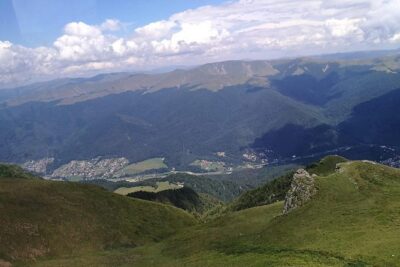
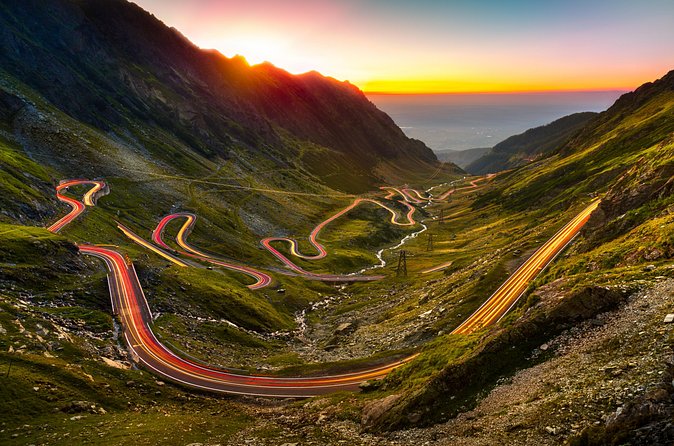
Between July and October, you’ll travel the Transfagarasan road on the way back. This is the Carpathians showpiece route, famous for mountain views, and it’s been highlighted in pop culture as one of the best roads in the world.
The big value here is that it’s scenic with a guided context. You’re not just driving—you’re learning what the region looks like from above and why this part of Romania feels so intense.
Other months: Olt Valley route plus Cozia Monastery
Outside July–October, the route switches to the Olt Valley road. On the way you stop at Cozia Monastery, where Mircea the Elder (grandfather of Vlad Dracula) is buried.
Either way, the tour ends back in Bucharest in the afternoon, so you can plan a normal dinner once you’re home.
Meals, Food Stops, and the Best Part of a Guided Trip
Food is one of the strongest reasons this tour works. The tour includes breakfasts and dinners throughout, so you don’t have to solve meals after a long drive.
You’ll also get guided recommendations for traditional Romanian dishes and local drinks. One standout example from a guide named Silviu: he introduced a mix of regional beverages like Țuică, Pălincă, and Fetească, plus meal favorites such as mici and tochitură. If you get a guide who loves food as much as history, this can turn into one of the trip memories you repeat later.
Practical note: lunches aren’t listed as included, and other drinks beyond dinners might be extra. If you’re the type who likes snacks during road days, bring a small stash so you’re not waiting for a purchase stop.
Castles and Tickets: What’s Included vs What You’ll Pay On Your Own
This trip is thoughtfully packaged, but ticket costs are not fully covered. You’ll pay entrance fees for stops explicitly marked as not included, including places like:
- Peles Castle
- Bran Castle
- Biertan Fortified Church
- Castelul Corvinilor
You’ll also want to keep an eye on photo fees, which can sometimes be separate from standard admission.
The good news is that your guide helps you purchase entrance tickets. That removes one of the annoying parts of travel logistics—standing in lines without knowing what to buy.
Comfort, Group Size, and Staying Sane on the Road
Romanian driving can feel intense if you’re not used to it, but the tour is organized around a professional driver setup in an air-conditioned vehicle. The group stays small—up to 8 people—so you’re not negotiating for space or waiting on a dozen different paces.
You also get live commentary on board, which matters more than people think. The distance between sites can feel long, but good narration turns the “getting there” into part of the experience.
You’re also traveling in English, with a professional guide. That helps at places like fortified churches and unification history, where the details make a big difference.
Quick Reality Check: The One Thing That Can Change Your Experience
The biggest “surprise” variable isn’t the weather. It’s opening days and ticketed access.
- Peles Castle closure rules are specific, and they can affect what you see on Day 1.
- Entrance fees add to the budget, especially if you plan to photograph inside where permitted.
- Optional activities at Viscri (blacksmith visit, horse-and-cart ride, and lunch) are extra, so decide what you want before you arrive.
If you plan around those points, you’ll keep the trip feeling smooth.
Should You Book This Transylvania and Transfagarasan Tour?
I’d book this if you fit the sweet spot: you want big-name sights plus real Transylvanian atmosphere, you’re okay with a packed four days, and you like the idea of having hotels and most meals handled.
You might skip it if you’re picky about castle interiors only, because ticket access and opening days can shift what you see (especially for Peles). Also skip if you’re planning to spend every moment leisurely; this is designed for coverage.
If you do book, here’s how to make it pay off:
- Wear shoes you can climb stairs in (the clock tower climb is part of the fun).
- Budget extra for entrances and photos.
- Ask your guide about what to try for food and drinks when dinner time lands—this tour can be surprisingly strong on local flavor.
If you want Dracula vibes, Saxon fortresses, and mountain-road views—without the stress of planning connections—this is a solid value way to get it.
FAQ
How many people are in the group?
The tour is a small-group experience with a maximum of 8 travelers.
What’s the total time of the tour?
The duration is approximately 4 days.
What language is the tour offered in?
It’s offered in English.
What’s included in the price?
Included are transport by air-conditioned vehicle, a professional English-speaking guide with live commentary, fuel surcharge and local taxes, and three nights of hotel accommodation, plus breakfasts and dinners are included throughout the tour.
Are entrance fees included for the castles and churches?
No. Entrance fees are not included, and photo fees may also be extra.
Which road do you take back to Bucharest, and does it depend on the season?
Yes. From July to October, you take the Transfagarasan road. In other months, you use the Olt Valley road and stop at Cozia Monastery.
What happens if Peles Castle is closed on the day of the tour?
Peles Castle is closed on Mondays year-round and on Tuesdays from 1 August 2024 to 1 May 2025. If your tour falls within that period, you may see Peles Castle from the outside.