REVIEW · BUCHAREST
5-Day Private Dracula’s Legends Tour from Bucharest
Book on Viator →Operated by Trip2Ro · Bookable on Viator
Vlad’s trail starts in Bucharest. This private 5-day circuit turns the Dracula story into real places you can point to, with hotel pickup and air-conditioned minivan doing the heavy lifting. I especially like the private guide angle, because the stops connect the legends to the people and power plays behind Vlad III. One thing to plan for: museum and castle tickets aren’t included for several major sights, so your budget should include those extras.
I also like that the route is built for comfort. You get 4 breakfasts and four nights of lodging bundled into the price, so you’re not juggling rooms and meal hunts after long drive days. In past groups, guides like Mathias and Paul have been praised for safe, steady driving even with traffic and bad weather, and for keeping the day moving with clear explanations—exactly what you want when you’re trying to see a lot without feeling rushed.
In This Review
- Key highlights worth caring about
- Price and value: what you’re really paying for
- How the Dracula story gets grounded in real places
- Day 1: Târgoviște, Curtea de Argeș, then Sibiu
- Târgoviște and the Chindia Tower
- Curtea de Argeș monastery: Orthodox art and royal resting places
- Sibiu’s medieval center and “culture capital” energy
- Day 2: Corvin Castle’s imprisonment story and Alba Iulia’s Habsburg citadel
- Castelul Corvinilor (Hunyad Castle) and the hostage legend
- Alba Iulia: walking under the Habsburg walls
- Day 3: Salina Turda underground fun, then Cluj and Bistrița
- Salina Turda salt mine: 400 feet down to a strange amusement world
- Cluj-Napoca: medieval texture with university-town looseness
- Bistrița: fortified city atmosphere and the Harker connection
- Day 4: Rose Avenue in Târgu Mureș, UNESCO Sighișoara, and the gates of Brașov
- Târgu Mureș and the Rose Avenue secessionist look
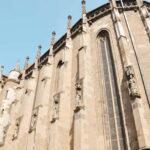
- Sighișoara: UNESCO fortified center and Vlad’s birthplace
- Brașov historical center: Council Square and the city gates
- Day 5: Bran Castle, Peliș Castle, and Snagov’s monastery by the lake
- Bran Castle: the Gothic rock-top legend
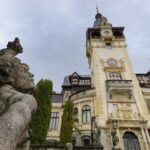
- Peliș Castle: the summer residence with room-by-room personality
- Snagov Monastery: a lake stop that finishes the story
- Guides, driving, and why private matters on this route
- What to budget beyond the tour price
- Who this tour suits best
- Should you book this Dracula’s Legends tour?
- FAQ
- How long is the Dracula’s Legends tour?
- Where does the tour start and what time does it depart?
- Is hotel pickup and drop-off included?
- Are breakfasts included?
- Are admission tickets included for the castles and attractions?
- Is there an extra cost for a single room?
- What happens if weather is bad?
Key highlights worth caring about
- Private, hotel-based start: Departure from your Bucharest hotel at 09:00 and return drop-off at the end
- Legends tied to specific locations: Vlad-related stops across Valachia and Transylvania
- Real comfort for long travel days: Air-conditioned minivan and a dedicated driver/guide
- Included basics that reduce stress: 4 breakfasts plus 4 nights accommodation
- Some must-budget ticket days: Bran Castle, Peliș Castle, Salina Turda, and others have tickets not included
Price and value: what you’re really paying for
The price is $1,331.24 per person, and the value comes from what’s included, not just what you visit. You’re getting 4 nights accommodation, a private driver/guide, hotel pickup and drop-off, and transport by air-conditioned minivan. That combination matters because this route is spread out, and “DIY” usually means separate car rentals, multiple long drives, and extra time figuring out where to eat and sleep.
On top of that, breakfast is included for 4 days. That’s not glamorous, but it’s practical. It helps you start early on the days when you have multiple stops and still keep lunch plans simple.
The main value trade-off is that entrance tickets are not included for several sights. Some stops in the schedule list admissions as free, but others are explicitly not included. So treat the stated price as the foundation, then add a ticket buffer for the major castles and attractions you care about most.
You can also read our reviews of more private tours in Bucharest

How the Dracula story gets grounded in real places
This tour is Dracula-focused, but it’s not only about spooky vibes and photo stops. You’re shown why certain sites became part of the Vlad legend, and how different regions connect to that story.
For example, you start in Târgoviște, tied to Vlad III and to older rulers like Mircea the Oldest. Then you move through towns that reflect shifting eras: Orthodox monasteries, Habsburg-era fortifications, and the Saxon/fortified atmosphere of places like Sighișoara.
If you like seeing how legend attaches itself to power, architecture, and geography, this route will click. If you want zero context and only quick castle screenshots, you might feel the schedule is more “story with stops” than “pure horror theme park.”
Day 1: Târgoviște, Curtea de Argeș, then Sibiu
Your day starts with a straightforward plan: 09:00 departure from your hotel and then a sequence of Romanian landmarks that link Vlad’s world to older ruling families.
Târgoviște and the Chindia Tower
In Târgoviște, you visit the princely residence area connected to Vlad the Impaler. What I’d look forward to here is the way the site layers generations: the first fortification walls are credited to Vlad’s grandfather, Mircea the Oldest. Then later, Vlad is linked to the construction of the Chindia Tower, which is described as imposing and perfectly preserved.
If you like architecture that still looks like it belongs in a medieval story, this is the stop that sets the tone.
Curtea de Argeș monastery: Orthodox art and royal resting places
Next is Curtea de Argeș, home to a monastery you’ll recognize as soon as you see the details. It’s highlighted as one of the most beautiful monasteries in southern Romania, with Orthodox worship and burial of Romanian reigns. The note that it features oriental decoration and four towers tells you what kind of visual punch to expect.
This is a good counterbalance to the vampire theme. You get the sense that this region’s identity isn’t one-note.
You can also read our reviews of more tours and experiences in Bucharest
Sibiu’s medieval center and “culture capital” energy
Then you head to Sibiu, described as the European Capital of Culture in 2007. You have about 3 hours here, which is long enough to wander the medieval layout and get a feel for the city’s character.
One practical consideration: this day is paced for seeing multiple places, not for slow travel. If you’re the type who likes to linger in cafés for an hour per stop, you’ll still have time, but you’ll need to choose where to spend your extra energy.
Day 2: Corvin Castle’s imprisonment story and Alba Iulia’s Habsburg citadel
Day 2 leans into big set-piece landmarks, with one major castle stop and one of the most impressive city fortifications in Europe.
Castelul Corvinilor (Hunyad Castle) and the hostage legend
At Castelul Corvinilor, also called Hunyad Castle, you’re told it’s thought to be where Vlad Tepes was imprisoned before his deposition in 1462. The story connects Vlad’s fate to John Hunyadi (Iancu de Hunedoara), Hungary’s regent and military leader, and the claim that Vlad was held as a hostage for seven years.
The castle itself is described as Gothic with Renaissance elements, and laid out with foundations linked to John Hunyadi. It’s also framed as the most imposing and resplendent castle in Transylvania—exactly the kind of place that makes the Dracula legend feel tangible.
This one has admission ticket not included, so it’s a “budget me now” stop.
Alba Iulia: walking under the Habsburg walls
Then you move to Cetatea Alba Iulia, with time to stroll the old town along the wide, tree-lined streets of the Habsburg citadel. The scheduled highlight list is packed with architectural stops, including the Roman Catholic Cathedral (described as the oldest and most valuable monument of architecture in Transylvania), the Batthyaneum Library, and the Orthodox Cathedral of the Reunification.
You also see the Babilon Building housing the National Museum of Unification, plus sites like the Union Hall, Apor Palace, Princely Palace, and the University of Alba Iulia.
Admissions for this part are listed as free in the schedule, which helps. You’re getting a lot of major sights without the same ticket math as the big castles.
Day 3: Salina Turda underground fun, then Cluj and Bistrița
This day does something smart: it gives you a Dracula legend thread, but it also breaks up the castle rhythm with a totally different kind of underground experience.
Salina Turda salt mine: 400 feet down to a strange amusement world
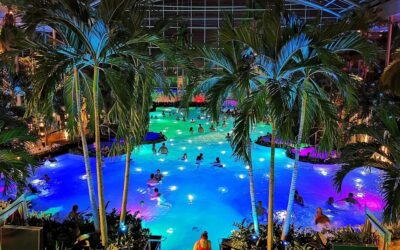
At Salina Turda, you go about 400 feet underground and reach a “submerged wonderland” setting. Inside, there’s an amphitheater, a bowling alley, an underground lake with paddle and row boats, and even a Ferris wheel.
This is the stop I’d call out if you’re traveling with people who like variety. It doesn’t pretend to be a vampire cave. It’s just… unusual. And it’s timed well: about 2 hours keeps it from feeling like a drag.
Admission tickets are not included for Salina Turda.
Cluj-Napoca: medieval texture with university-town looseness
After the salt mine, you head to Cluj-Napoca, Romania’s second-largest city and a university hub. The schedule notes a mix of medieval landmarks, architectural jewels, and trendy urban hotspots. The tone here is “people enjoy life at a slower pace than Bucharest,” which helps set expectations.
You have about 1 hour, so this isn’t a deep city day. It’s a good taste, plus a chance to grab something simple for lunch on your own later.
Bistrița: fortified city atmosphere and the Harker connection
Then comes Bistrita, described as one of seven fortified cities. It’s also framed as part of Dracula legend lore, with Jonathan Harker said to have overnighted there in Bram Stoker’s book.
You get about 2 hours and admissions are listed as free in the schedule. If you’re the kind of reader who likes to connect fiction to maps, this is one of the more satisfying stops because the reference is specific.
Day 4: Rose Avenue in Târgu Mureș, UNESCO Sighișoara, and the gates of Brașov
Day 4 is packed, but the pacing makes sense: you’re moving through towns where different cultures shaped the streets, buildings, and fortifications.
Târgu Mureș and the Rose Avenue secessionist look
In Târgu Mureș, you’re introduced to Romanian-Hungarian character with secessionist buildings from the dualistic Austro-Hungarian period (1867 to 1918). The schedule calls out the Palace of Culture, the Prefecture, and places of worship lining Rose Avenue, which once housed a great craft market.
This isn’t a Dracula stop, and that’s good. It keeps the trip from turning into castle fatigue.
Sighișoara: UNESCO fortified center and Vlad’s birthplace
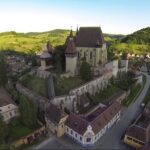
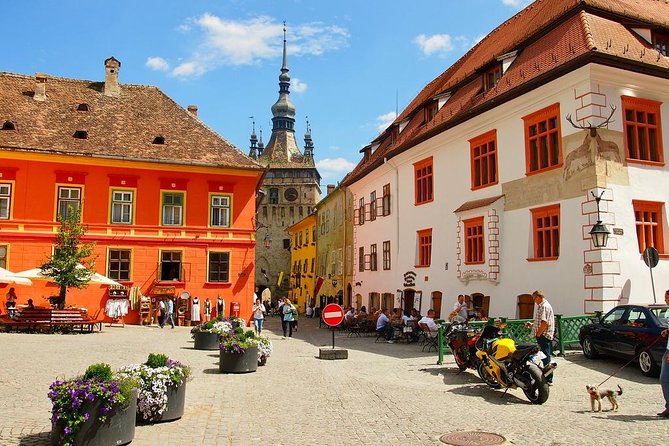
Next you reach Sighișoara, a romantic fortified town with a historic center that’s UNESCO heritage. You’ll spend about 3 hours here, with colorful houses, the Tower of the Clock, and streets and churches tied to multiple cultures and confessions.
The schedule also states that Vlad Dracula was born in 1431. That detail is exactly why Sighișoara matters on a Dracula-focused itinerary. You’re not just visiting a “related legend.” You’re in the place the story anchors itself to.
Admissions for Sighișoara are listed as free.
Brașov historical center: Council Square and the city gates
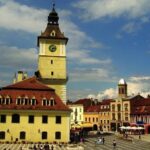
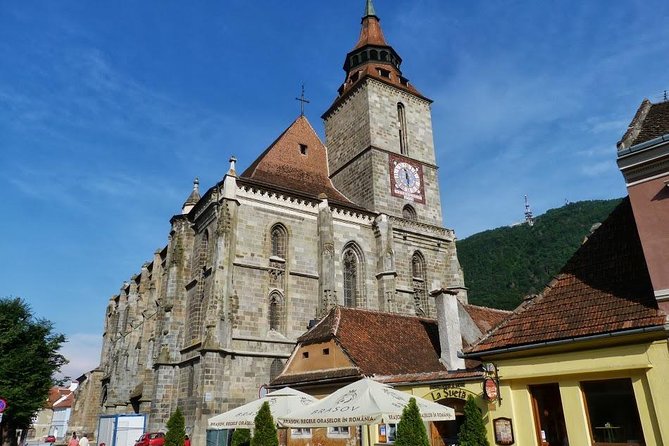
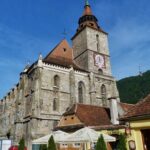
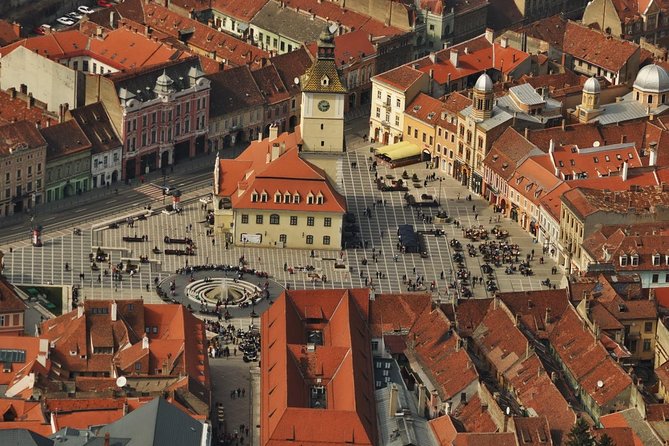
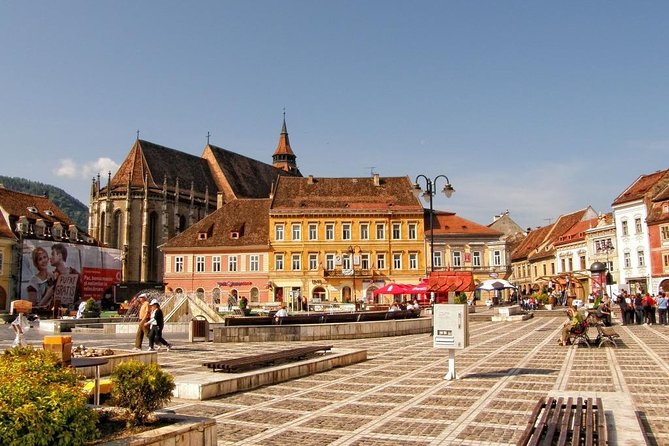
Finally, you arrive in Brașov, also known as Kronstadt. You have about 3 hours in the historical center, including Council Square, and gates like Gate Ecaterina (16th century) and Gate Schei (19th century).
Admissions for Brașov are listed as not included, so if you plan to do paid interiors or museum-style stops here, budget for it.
A practical note: this day asks for solid walking. It’s not described as extreme, but “moderate physical fitness level” is mentioned. If you have mobility concerns, plan for breaks and focus your energy on the highlights.
Day 5: Bran Castle, Peliș Castle, and Snagov’s monastery by the lake
On the final day, you hit three places that most Dracula fans recognize—plus one near Bucharest that ties the story back to your starting point.
Bran Castle: the Gothic rock-top legend
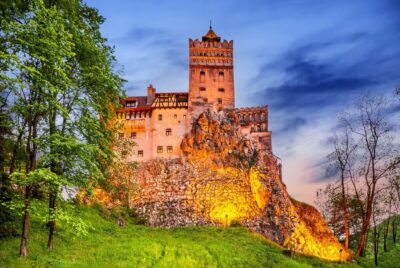
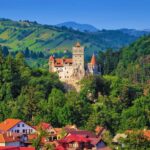
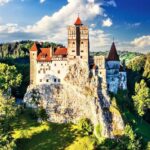
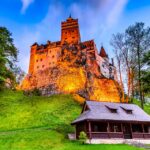
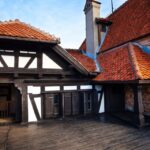
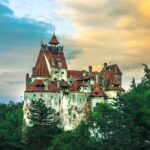
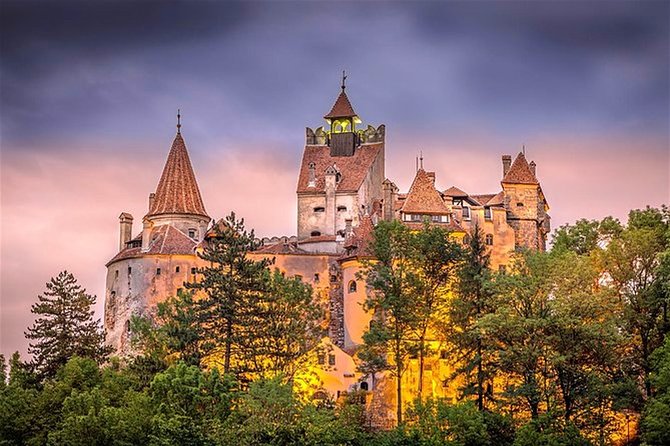
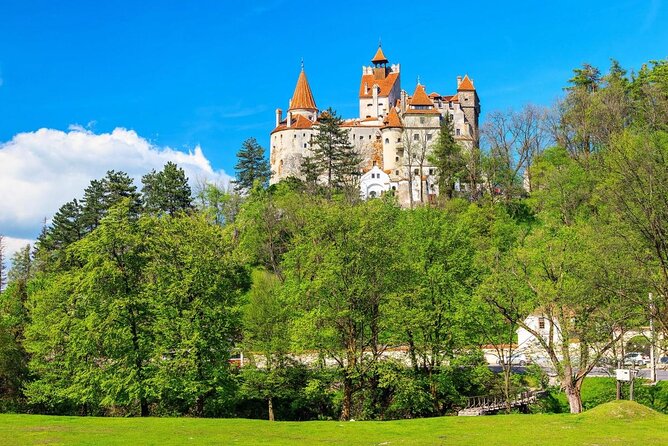
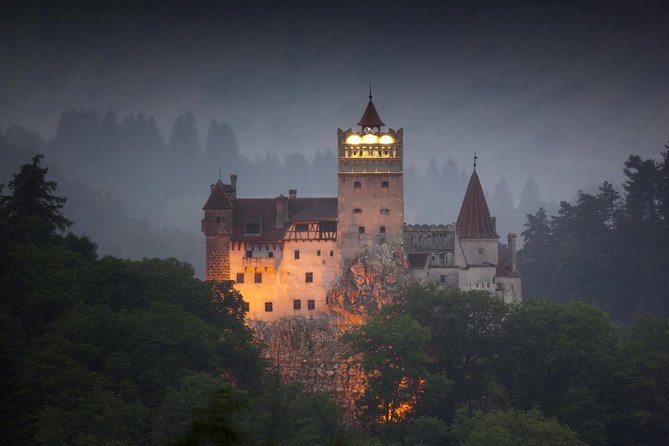
You depart to Bran and arrive at Bran Castle, commonly called Dracula’s Castle. The castle is described as built during the 14th century over a large rock covering a hill. You’ll see it framed as Gothic-style and famous for the legend of Vlad the Impaler.
The schedule adds an extra layer that’s easy to appreciate: its interiors were chosen by Queen Mary in the 1920s when she received the castle. Time here is about 2 hours, and tickets are not included.
Peliș Castle: the summer residence with room-by-room personality
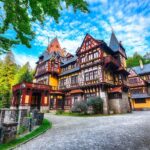
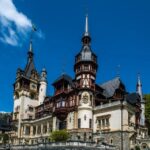
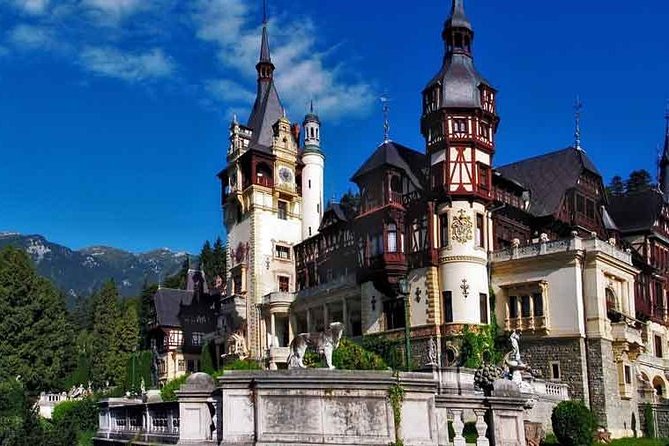
Then you visit Peliș Castle, the summer residence of the first king of Romania, King Charles I of Hohenzollern. The schedule emphasizes that it was designed by a Czech architect, and built in the 19th to 20th centuries with a level of modern design for its era.
Each room has a unique style, and you’ll also admire the Florentine room, described as giving an Italian Renaissance atmosphere.
This is one of those stops where the Dracula legend becomes background noise. It’s still part of the tour, but the real value is the architecture and interiors—time about 2 hours with tickets not included.
Snagov Monastery: a lake stop that finishes the story
Finally, you stop at Lake Snagov near Bucharest. On a small island in the center, there’s a monastery that the schedule says Dracula was buried in in 1476.
Time is about 1 hour here. Admission tickets are listed as not included, but the value is mostly in the setting and the story connection.
Guides, driving, and why private matters on this route
This is a private tour, so you’re not sharing the day with strangers’ pacing. That sounds like a marketing line, but it matters on a schedule like this because weather, traffic, and timing can shift. In past feedback, guides like Mathias have been praised for safe, brave driving during bad weather and traffic issues. Other guides like Paul have been praised for being accommodating and for delivering a smooth experience while still covering all the planned sites.
Even without counting the Dracula stops, the route involves long drives and multiple walk-and-look segments. Private service helps you get where you’re going without turning the day into a navigation project.
The tour also mentions a mobile ticket, and a multi-lingual guide may operate the tour. If language is important for you—especially for the legend explanations—this is worth noting.
What to budget beyond the tour price
Here’s the practical checklist so there are no surprises.
- Entrance tickets: Not included for several key stops (for example Corvin Castle, Salina Turda, Bran Castle, Peliș Castle, Snagov Monastery, and Brașov historical center as listed).
- Single room supplement: 120 euro, paid locally with cash or credit card.
- Tips: Tips for the tour guide and driver are not included.
I also recommend bringing a little extra cash just in case a smaller ticket or on-the-spot purchase comes up. The tour itself is organized, but Romania’s practical reality is that not everything is always as standardized as you’d hope.
Who this tour suits best
This tour fits best if you want:
- A Dracula-focused trip that still includes monasteries, castles, city centers, and fortifications
- Private, guided storytelling, not just self-led sightseeing
- Included 4 nights accommodation and 4 breakfasts to simplify planning
- A comfort-first approach with air-conditioned minivan on longer travel days
It may be less ideal if you:
- Want zero extra fees and only free entries
- Prefer very slow travel with fewer locations per day
- Are very sensitive to early starts and moderate walking demands
Should you book this Dracula’s Legends tour?
I think this is a strong choice for first-timers to Romania who want a guided “Vlad legends” hit without turning your trip into logistics homework. The included lodging and breakfasts are real value, and the private format helps you handle timing changes with less stress.
Book it if you like architecture and place-based storytelling as much as the Dracula myth. Consider other options if you’re strict about entrance ticket costs or you’d rather control every minute yourself. In Dracula country, the difference between a good day and a frustrating one often comes down to timing. This tour is built to keep that timing under control.
FAQ
How long is the Dracula’s Legends tour?
It’s a 5-day tour (approximately).
Where does the tour start and what time does it depart?
The tour departs from your Bucharest hotel at 09:00 a.m.
Is hotel pickup and drop-off included?
Yes. Hotel pickup and drop-off are included.
Are breakfasts included?
Yes. Breakfast is included for 4 days.
Are admission tickets included for the castles and attractions?
No. Entrance tickets to museums and several major stops are not included. Some stops are listed as free, but others explicitly show admission ticket not included.
Is there an extra cost for a single room?
Yes. There is a supplement for a single room of 120 euro, paid locally.
What happens if weather is bad?
The experience requires good weather. If it’s canceled due to poor weather, you’ll be offered a different date or a full refund.