REVIEW · BUCHAREST
6 Days Transylvania and Bukovina Small Group Tour from Bucharest
Book on Viator →Operated by Trip2Ro · Bookable on Viator
Castles and monastery frescoes in one tight route. This six-day small-group trip is a smart way to hit Transylvania and Bukovina’s biggest sights with a guide telling the stories you’d miss on your own. I especially loved two things: the max 7-person group and the fact your licensed guide (George) also drives, so the day keeps moving. I also like that you get a built-in rhythm of walking stops plus time to sit back in an air-conditioned van.
One main drawback: entrance fees aren’t included, and you’ll want to budget for tickets at castles and some churches, plus your pace is fairly quick between regions. If you hate long travel days, this may feel like a lot—yet it’s also the price you pay for packing so much into six days.
In This Review
- Quick hits: what makes this tour worth your time
- What you’re really paying for in this Transylvania and Bukovina trip
- Day 1: Cozia Monastery’s Armenian façade and Sibiu’s three-square charm
- Day 2: UNESCO Sighisoara, then baroque Târgu Mureș and Gothic-Renaissance Bistrița
- Day 3: Moldovita, Sucevita, Voroneț, and Marginea’s black ceramics
- Day 4: Piatra Neamț, Bicaz Gorges, Red Lake legends, and Miercurea Ciuc
- Day 5: Brasov’s fortified Schei streets and Bran Castle’s Wallachia–Transylvania boundary
- Day 6: Peles Castle’s room-by-room design, then Bucharest’s main monuments
- Transport, timing, and why the “small group” format matters
- Dress code and etiquette: bring shoulders and knees coverage
- Entrance fees, tickets, and budgeting like a local pro
- Before you book: who this tour fits best
- Should you book this Transylvania and Bukovina small-group tour?
- FAQ
- How many people are in the group?
- What time does the tour start?
- Is pickup included?
- What’s included in the price?
- Are entrance fees included?
- What kind of accommodations are used?
- Are meals besides breakfast included?
- What dress code should I follow?
- Is there a single room option?
- What happens if the weather is bad?
- Is there a minimum number of participants?
Quick hits: what makes this tour worth your time
- George drives and guides so you get context without delays
- Max 7 people keeps the tour feeling personal, not rushed in a herd
- Bucovina’s painted monasteries (Moldovita, Sucevita, Voronet) are the heart of the trip
- UNESCO Sighisoara is still lived-in, not just a preserved postcard
- Carpathian scenery stops include Bicaz Gorges and Red Lake with local legends
- Breakfast included (5 times) helps you start early without hunting for food
What you’re really paying for in this Transylvania and Bukovina trip
At $1,163.56 per person for about six days, you’re not just buying sightseeing. You’re buying logistics that work: pickup in the Bucharest area, air-conditioned transport, 3/4-star hotel stays, and a professional guide who handles the narrative (and the driving). That’s why the itinerary can cover so many places without you juggling maps, parking, or trains.
The tradeoff is that you should plan for extra spending at entrances. The tour lists entrance fees as not included, and the day-by-day plan marks some stops as free while others are not. Add tips for the driver/tour guide (also listed as not included) and you’ll get a more accurate total. In other words: the price is good value when you want the big names and smooth travel, but you should budget for tickets and personal expenses.
Also, the route works best if you like seeing a place, then moving on. You’ll get brief, focused visits—often 30 minutes to 2 hours—so you’ll feel the highlights, even if you won’t linger for hours in each town.
You can also read our reviews of more tours and experiences in Bucharest

Day 1: Cozia Monastery’s Armenian façade and Sibiu’s three-square charm
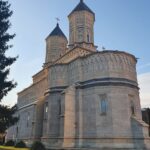
You start with Cozia Monastery in the Olt Valley. It’s a 14th-century Wallachian monument with Armenian decorative touches on the façade, and fresco-rich interiors that make this one of those stops where you instantly understand why people travel for monasteries. The plan notes admission as free for this stop, which is a nice early win.
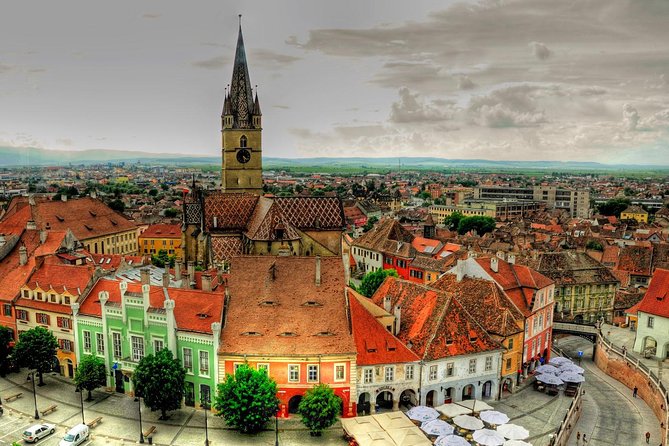
Then you move to Sibiu, a medieval city shaped by Romanian and Saxon communities living side by side for centuries. I like the way Sibiu’s history shows up in plain sight: multiple religious monuments (Catholic, Orthodox, Protestant) in the same urban fabric. You also get a real sense of the city’s layout through its three main squares—Big Square, Small Square, and Huet Square—plus the view-worthy towers and 15th-century bastions.
Sibiu also has a major cultural pulse (European Capital of Culture in 2007, plus a theater festival each year). One detail I’d pay attention to is the gothic evangelical church in Transylvania, since the tour specifically includes it. If you’re walking and looking for architecture cues—how styles blend when communities overlap—Sibiu is a strong first-day anchor.
Day 2: UNESCO Sighisoara, then baroque Târgu Mureș and Gothic-Renaissance Bistrița
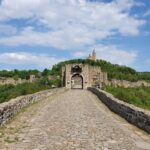
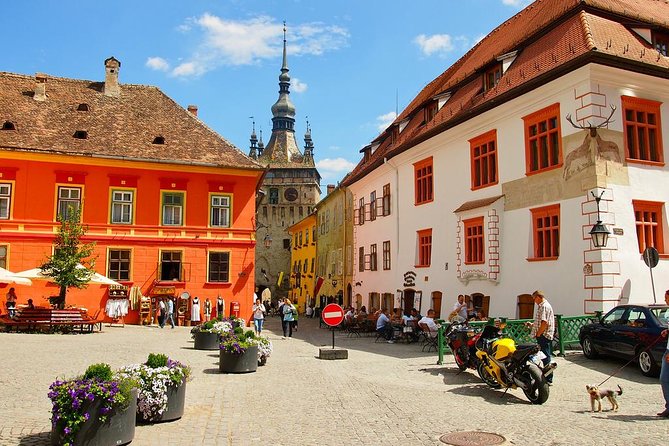
Day 2 centers on Sighisoara, one of the best-preserved medieval citadels in Europe, and importantly, it’s still inhabited. You’ll see the Clock Tower and the church on the hill, reached by the wooden staircase called the schoolchildren’s ladder. That image alone helps you feel how the hilltop life works, not just what the buildings look like.
The route also includes cues for the area’s Magyar past: a statue of the Hungarian poet Petofi Sándor, a Catholic church reserved for the Hungarian community, and the shoemakers tower. Lunch is possible at the house associated with Vlad the Impaler’s birthplace, but the plan lists that as not included—so treat it as an optional extra rather than a guaranteed stop.
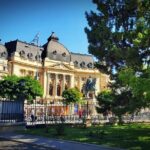
After Sighisoara, you head to Târgu Mureș, where baroque architecture dominates. The Palace of Culture is the big landmark here, and the tour frames it as the city’s symbol. You’ll also get a quick look at the city’s Hungarian influence through the architects tied to historic buildings.
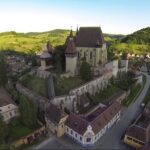
Then it’s Bistrița with a walking tour. The focal point is the Lutheran church—built in Gothic style in the 14th century, then remodeled with Renaissance elements later on. This is one of those stops that rewards people who notice how time changes the same structure, instead of looking at buildings as frozen in time.
Day 3: Moldovita, Sucevita, Voroneț, and Marginea’s black ceramics
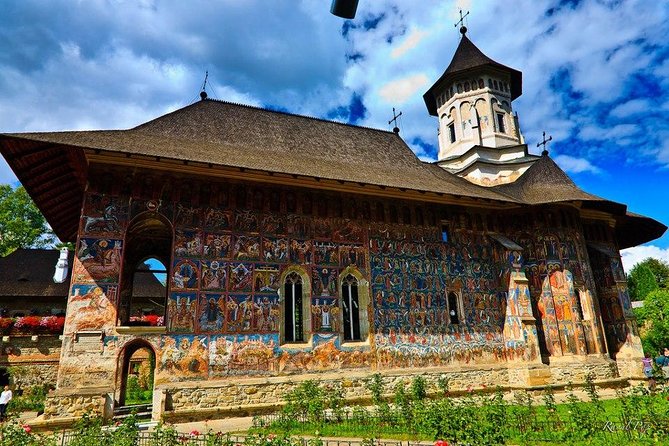
This is the day that feels most uniquely Bucovina. You start at Moldovita Monastery, founded by Petru Rareș in the 16th century, with interior and exterior frescoes that are the whole point of the visit. The tour lists this stop’s admission as not included, so plan on tickets here.
Next up is Sucevita Monastery. The plan highlights a mix of Gothic and Byzantine elements, merging into a Moldovan architectural style. I like this stop because the frescoes on the northern façade survived due to protective walls that were never demolished. That small detail matters: it turns the visit from simple sightseeing into a story about preservation and change.
Then you shift to something more hands-on: Marginea’s black ceramic artisans. Here you can enter a workshop to see how the black ceramic pots are made across different working phases, and you can buy typical items—plus painted eggs using a traditional Romanian technique. This is one of the rare tour moments where you’re not only looking at monuments; you’re watching craft in action.
The day finishes at Voroneț Monastery, often called the Sistine Chapel of the Carpathians. The signature detail is the intense blue color for which it’s nicknamed that way. Admission is listed as not included here, so budget for it, but also know you’re paying for one of the most visually distinctive monastery experiences in the whole route.
Day 4: Piatra Neamț, Bicaz Gorges, Red Lake legends, and Miercurea Ciuc
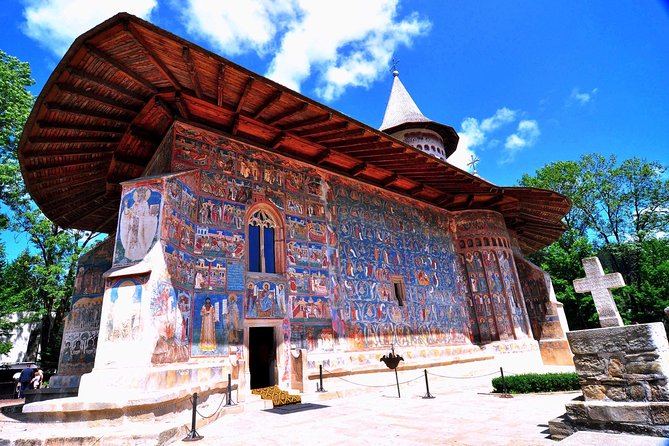
Day 4 is where you trade church frescoes for dramatic mountain scenery and local lore. You stop briefly in Piatra Neamț, described as a ski resort that still preserves a citadel and includes an 18th-century synagogue. The plan notes a short stop, so think of this as a quick orientation rather than a deep dive.
Then you go to Bicaz Gorges. The experience here is the road lined with a stream and the high cliffs on both sides. Along the way there’s a market with typical handicrafts and souvenirs, so you can stretch your legs and browse without going off-script.
Next is Red Lake. It’s a barrier lake formed after a landslide, and the tour’s description says tree trunks remain visible in the water, which gives the place an eerie, unforgettable mood. The visit is also tied to legends about the lake’s name—so you’ll get a story with your scenery, not just a photo stop.
From there you continue on a scenic road with views of the Carpathian chain to Miercurea Ciuc. The region is also called the Siberia of Romania for low temperatures and the feel of the landscape. Even if you’re not chasing winter vibes, this helps you understand why people talk about this part of the country as a separate climate and mindset.
Day 5: Brasov’s fortified Schei streets and Bran Castle’s Wallachia–Transylvania boundary
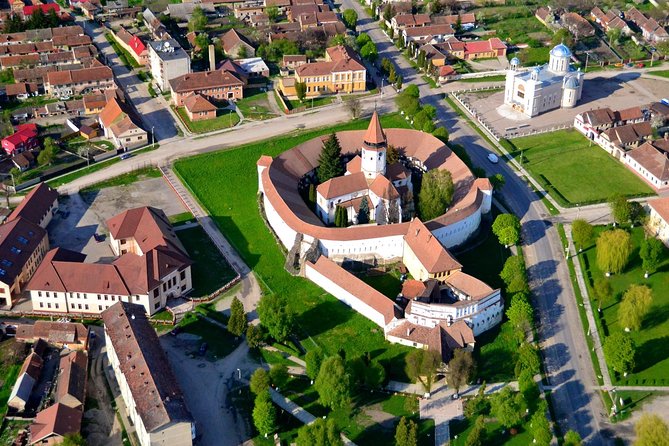
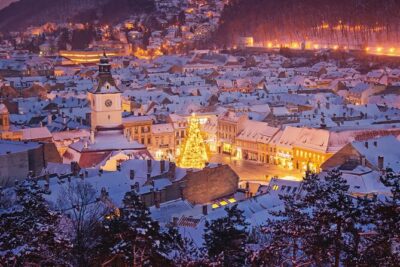
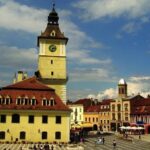
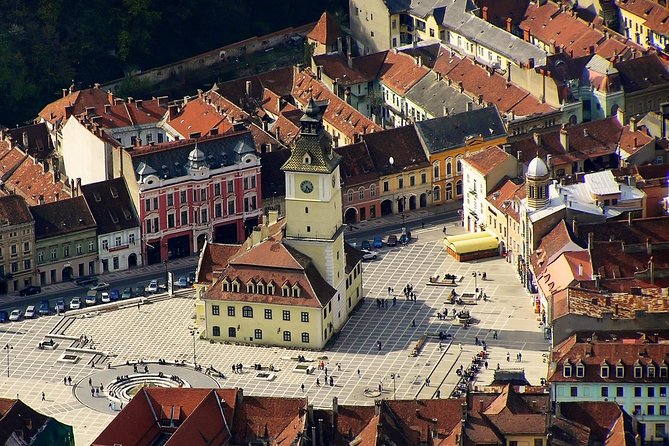
Brasov is the day’s main city stop, and it’s a good one if you like medieval layouts and the way architecture reflects different eras. The tour describes Brasov as a once-fortified city with German-influenced architecture where Gothic, Baroque, and Renaissance elements intersect. That mix is why wandering around the center works—you can spot the style shifts as you go.
You’ll also visit the First Romanian School in the Schei district. The plan notes it was inhabited exclusively by Romanians, which adds a social layer to what could otherwise be just another historic building. You’ll see entrances into the city from medieval times through Catherine’s Gate and Schei Gate—details like that help you understand how a city defended itself and controlled movement.
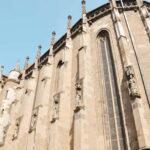
Brasov includes the Black Church as well, though the description text is cut off in the itinerary you provided. Still, it’s clearly listed as part of the stop, so you can expect a major landmark visit rather than only viewpoints.
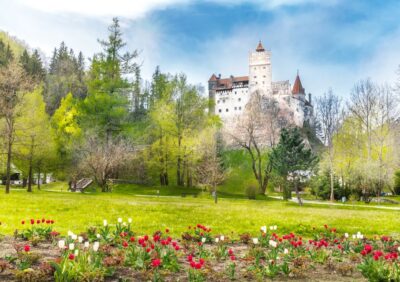
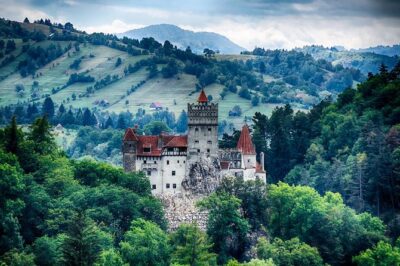
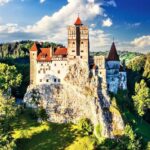
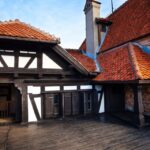
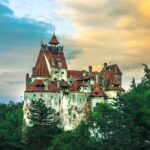
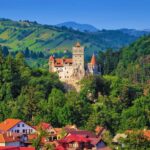
Then you head to Bran Castle, known widely as Dracula’s Castle. The tour frames Bran’s location historically as a border area between Wallachia and Transylvania, which explains why the fortress mattered for defense. It’s a cinematic castle, but the best way to enjoy it is to focus on the strategic position and the medieval function, not only the Dracula branding.
In the evening, you arrive in Sinaia late. That late arrival matters because it shifts the focus of the last day toward a big castle in the morning and then finishing in Bucharest.
Day 6: Peles Castle’s room-by-room design, then Bucharest’s main monuments
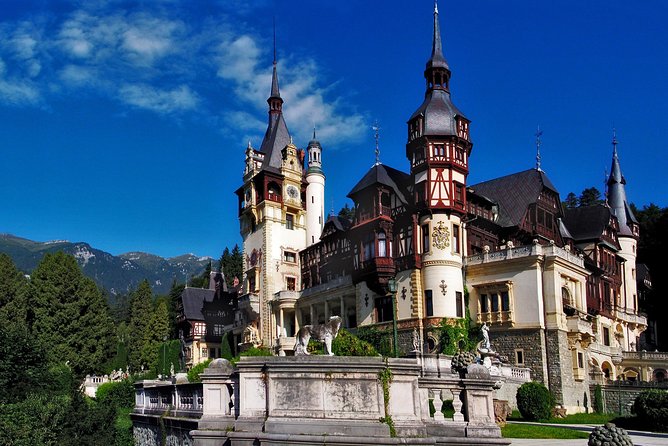
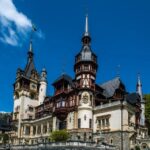
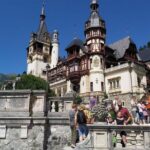
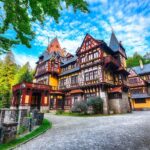
Your final full sightseeing day starts with Peles Castle. The tour describes it as the summer residence of the first King of Romania, King Charles I of Hohenzollern, and notes German origins for his family line. The castle’s design is credited to a Czech architect, and it’s described as one of the more modern castles in Europe at the time of construction (late 1800s into the early 1900s).
What I’d watch for here is the design approach: each room has a unique style, and the Florentine room is specifically mentioned for its Italian and Renaissance atmosphere. That’s a practical tip for visiting—slow down a bit and pick one or two rooms to really look at, instead of trying to rush everything. Even on a guided schedule, Peles rewards attention.
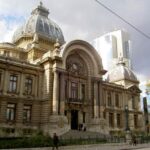
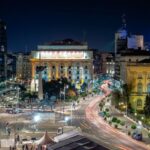
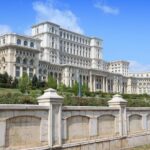
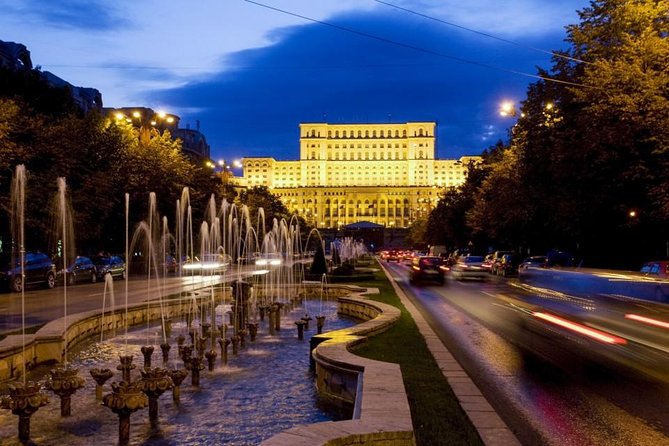
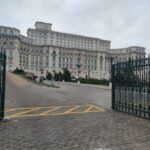
After Peles, you head back toward Bucharest and enjoy a panoramic tour. The plan includes the Triumph Arch, Atheneum, Revolution Square, and Parliament Palace. This is more like a guided overview than a full-day museum crawl, so it helps to come with curiosity about how modern Romania sits beside older roots. If you like structure and big urban landmarks, the panoramic wrap-up feels satisfying.
Transport, timing, and why the “small group” format matters
This tour runs with a small group size—maximum 7 travelers—and that changes the entire feel of long days. In a big group, you spend time waiting. Here, the pace is controlled, and you’re more likely to ask questions without feeling rushed.
The guide is also your driver, which is a huge value point in practice. When one person handles navigation and storytelling, you lose less time and you get better answers for questions that pop up mid-ride. Add the air-conditioned vehicle, and the long legs between regions won’t feel quite as punishing.
As for timing: many stops are intentionally short (30 minutes, 1 hour, or 2 hours). That means you should prioritize what you want most. If you care most about frescoes, save your energy for Moldovita, Sucevita, and Voroneț. If you care about fortresses and city layout, focus on Sighisoara, Brasov, and Bran.
Dress code and etiquette: bring shoulders and knees coverage
One thing you absolutely should not wing is clothing. The tour notes a dress code for places of worship and selected museums: no shorts or sleeveless tops, and knees and shoulders must be covered for both men and women. If you ignore this, you risk being refused entry.
Practical solution: pack a light layer you can throw on fast. Even on warm days, that small habit can save a headache and keep the day moving instead of waiting around while someone improvises a workaround.
Also note: monasteries and churches often involve stairs or uneven stone. You don’t need heavy hiking boots, but comfortable shoes make a big difference for the quick walking portions.
Entrance fees, tickets, and budgeting like a local pro
Even though some stops show admission as free in the plan, the tour’s included info says entrance fees are not included overall. The clean way to think about it is: expect to pay tickets at major paid sites like castles and several monasteries.
In other words, don’t treat the price as a full all-in package. Plan a daily budget for entrance tickets and keep a card plus some cash handy. Your single-room supplement is also listed as 120 euro, paid locally in cash/credit card, so if you’re booking solo, factor that into your planning early.
And yes, tips are listed as not included for the driver/tour guide. If George is doing the driving and guiding, I’d treat tipping as part of thanking someone who keeps the itinerary running smoothly.
Before you book: who this tour fits best
This tour is best for you if you want a guided hit list of Transylvania and Bucovina’s key sights without organizing transport and accommodations yourself. It’s a strong choice for first-time visitors who like a mix of fortress towns, painted monasteries, castle architecture, and mountain scenery—all in a single pocket-sized schedule.
It’s less ideal if you need lots of free time in each town, or if you dislike paying entrance fees on top of the tour price. Also, if you get motion sick easily, plan around long van transfers, even if the vehicle is air-conditioned.
Should you book this Transylvania and Bukovina small-group tour?
I think you should book it if you want the big names—Sibiu, Sighisoara, the Bucovina painted monasteries, Bran, Peles, and the Bucharest highlights—paired with a guide who can explain what you’re looking at. The small group size (max 7), plus George driving as well as guiding, is the kind of setup that makes the schedule actually work.
You might skip it if you’re the type who prefers to linger for hours, not minutes, at each site. Also, if you’re strict about staying within an all-inclusive budget, plan for entrance tickets because they’re not included.
A smart call is to book this when you want structure and storytelling. Then budget separately for entrances and tips, dress for church visits, and bring the right mindset: this route is built for highlights, not slow travel.
FAQ
How many people are in the group?
The tour has a maximum of 7 travelers, so it stays small-group sized.
What time does the tour start?
The start time is listed as 8:00 am.
Is pickup included?
Pickup is offered, and the meeting point is noted as near public transportation.
What’s included in the price?
Included features are a professional licensed tour guide who will also be your driver, an air-conditioned vehicle, 3/4-star hotel accommodation, a small group tour, and breakfast (5 times). There is also mention of a mobile ticket.
Are entrance fees included?
No. Entrance fees are listed as not included. Some specific stops are marked as free in the plan, but you should assume most paid sites will require tickets.
What kind of accommodations are used?
You’ll stay in 3- and 4-star hotels.
Are meals besides breakfast included?
The only meal clearly listed as included is breakfast (5). Other meals are not stated as included.
What dress code should I follow?
For places of worship and selected museums, knees and shoulders must be covered. Shorts and sleeveless tops are not allowed, and you may be refused entry if you don’t comply.
Is there a single room option?
A single room supplement is listed as 120 euro to be paid locally in cash or by credit card.
What happens if the weather is bad?
The experience requires good weather. If it’s canceled due to poor weather, you’ll be offered a different date or a full refund.
Is there a minimum number of participants?
Yes, a minimum of 2 participants is required. If the tour is canceled because the minimum isn’t met, you’ll be offered a different date/experience or a full refund.