REVIEW · BUCHAREST
Private 6-Day Dracula Tour in Transylvania from Bucharest
Book on Viator →Operated by Transylvania Discovery Tours · Bookable on Viator
If you love castles, you’ll feel at home here fast, but the real win is the pace. This private 6-day Dracula-themed trip from Bucharest blends the Vlad/Dracula legends with UNESCO sites, fortified churches, and road trips through the Romanian countryside—without turning it into a costume parade. You’ll be guided in English, picked up from your hotel (or OTP Airport), and moved around in an air-conditioned vehicle with guaranteed skip-the-line help.
I like two things most. First, you get major stops that match the spooky story—Poienari, Bran, and Snagov—yet they’re paired with the “why” behind them (Saxon defenses, medieval towns, and Romanian historical legends like Master Manole). Second, the tour is built around value: hotel stays and breakfasts are included, plus dinners in Sibiel with wine and Romanian plum brandy, not just quick photo stops.
One drawback to consider: several attractions have entrance fees not included, and some days are physically demanding. Poienari’s fortress involves climbing a long set of stairs, and the route can shift with the season (Transfăgărășan is only open part of the year), so you’ll want solid walking shoes and a flexible mindset.
In This Review
- Key highlights at a glance
- What you’re really buying: a private 6 days of story + strategy
- Day 1: From Bucharest legends to the climb at Poienari
- Day 2: Saxon fortresses, a star-shaped citadel, and more medieval walls
- Day 3: Sibiu’s squares, Mediaș lanes, then a Dracula-style hotel night
- Day 4: UNESCO at Biertan, then Sighișoara’s medieval backbone
- Day 5: Prejmer’s thick walls, Bran Castle, Rasnov views, and a Brasov base
- Day 6: Peliș Castle, Snagov Monastery, and back to Bucharest
- Where you’ll sleep matters more than you think
- Guides and the small things that make it feel smooth
- Best time to go, and how the route adapts when nature doesn’t cooperate
- What it suits best (and who should pass)
- Should you book this private Dracula tour from Bucharest?
Key highlights at a glance
- UNESCO fortified churches: Prejmer and Biertan are the main event, with serious defense walls and Saxon-style towns around them
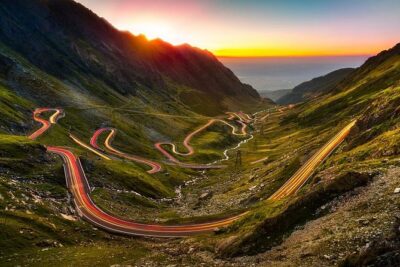
- Transfăgărășan Highway road day: hairpin bends, tunnels, and major viewpoints near Balea and Vidraru
- Dracula legends with context: Vlad the Impaler sites tied to real places, not just folklore
- Comfort-first logistics: private group, air-conditioned transport, hotel pickup/drop-off, and skip-the-line help
- Individually chosen stays: small guesthouse-style nights (especially Sibiel) mixed with a Dracula Castle hotel stay
- Seasonal itinerary swaps: Transfăgărășan and Poienari conditions can change your routing
What you’re really buying: a private 6 days of story + strategy
This tour is priced at $2,078.18 per person, and the value only makes sense if you care about comfort and planning. In a private setup like this, you’re paying for your own driver/guide, door-to-door pickup, air-conditioned travel between regions, and help skipping long lines. You’re also getting five breakfasts and included dinners (including those Sibiel meals with wine and Romanian plum brandy), which matters on a route where meals outside the plan can add up.
The Dracula theme isn’t just marketing. You’ll move through locations tied to Vlad the Impaler and the literary Dracula connection, but the tour keeps dragging you back to the real reasons these places mattered: border defense, church fortresses, and how communities survived raids.
The pacing is also practical. Some days are built around one anchor (a castle or a fortress), while other days are packed with multiple short stops. That works well if you like seeing a lot, but it does mean you should expect long car time on travel days and fewer “sit and soak it in” moments.
You can also read our reviews of more private tours in Bucharest

Day 1: From Bucharest legends to the climb at Poienari
Your day starts with an easy introduction as you leave Bucharest, then it turns quickly into medieval legend territory.
Curtea de Arges Monastery is your first major stop. It’s tied to the famous Romanian legend of Master Manole, and it’s known as an important pilgrimage and prayer place in Argeș County. The time here is short, and that’s a good thing: you get the setting without wasting the day.
Then comes Poienari Castle. This is where the tour earns its Dracula street-cred. The fortress is described as a stronghold connected to Vlad the Impaler, perched high above the area. The big catch is effort: you need to climb 1480 stairs to reach it. If you’re even slightly unsure about the stairs, plan your pace, bring water, and remember you’re doing this for the views and the fortress scale, not for comfort.
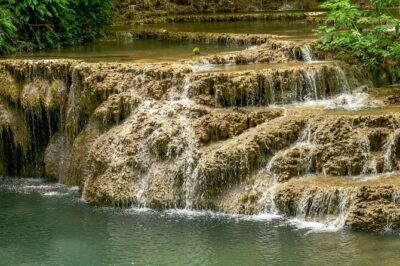
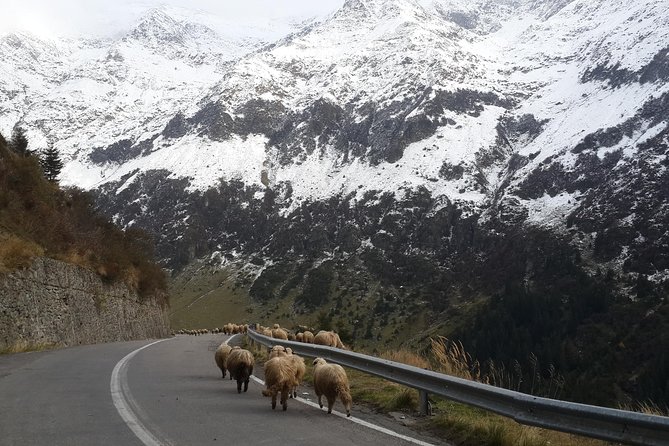
After Poienari, you shift into pure road-day scenery with the Transfăgărășan Highway—often nicknamed the Top Gear Road. This stretch is famous for its dramatic hairpin turns, plus tunnels and viaducts built through the Făgăraș Mountains. You’ll also be around Balea and Vidraru, with photo stops at Lake Balea (and a chance for coffee at Balea Chalet) and at Vidraru Dam, plus a stop at Capra Waterfall.
You end the day in Sibiel area, overnighting at Ramona House (a home-stay style pension with en-suite rooms). This is one of the tour’s best value tricks: you go from big natural and historic stops into a small setting where dinner and calm sleep replace the “drive all day, snack all night” travel style.
Day 2: Saxon fortresses, a star-shaped citadel, and more medieval walls
Day 2 is built around two different kinds of power—castle warfare and city defense.
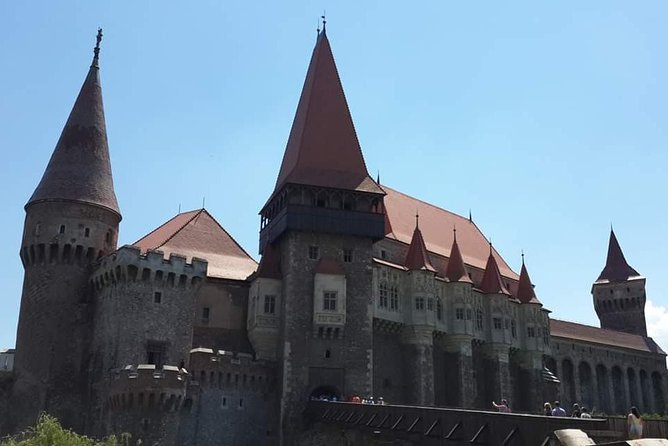
At Castelul Corvinilor (Hunedoara/Hunyadi Castle), you get a fortress that many people treat like a gothic film set. The description leans into legend, including the idea of it being cursed and the Bear Pit where prisoners were thrown to animals. Even if you ignore the horror-story tone, the castle’s layout and its fortress features still make it compelling.
Next is Cetatea Alba Iulia, the star-shaped citadel. It’s one of Transylvania’s most preserved fortresses and is often overlooked compared to flashier names. The star shape matters here. Citadels like this weren’t just about looking impressive; they were about controlling lines of fire and controlling access into a region.
By the end of the day, you’re set up for your second night in Sibiel, which is great if you like settling into one small base instead of checking into a new hotel every day. Also, this is when the included Sibiel dinners help round out the experience—real food and local drinks, not just quick restaurant stops.
Day 3: Sibiu’s squares, Mediaș lanes, then a Dracula-style hotel night
Day 3 is your Transylvania identity day.
In Sibiu, you’ll focus on the Germanic/Saxon heart of the region. You’ll start with the tourist information center, then walk the town highlights like the Big Square, the Little Square, Huet Square, and landmark church and bridge features, including Liars’ Bridge and the Evangelical Cathedral area (plus the Council Tower in the mix). The timing here is designed for getting your bearings fast: enough time to enjoy the squares and staircases, not enough time to get bored.
Then you head to Mediaș for about an hour, including the Evangelic Cathedral and the fortified old-town feel. The notes about guilds and defense are worth paying attention to because they explain why these towns had that dense, walled-in character.
The day ends with a drive toward Borgo Pass, the place associated with Dracula Castle in the Dracula book connection used by this route. You overnight at the Dracula Castle Hotel (en-suite rooms).
This is also where you should calibrate expectations. One review noted that this specific hotel stay can feel far out of the way and more about the hotel itself than an active medieval town around it. If you’re the type who needs a lively walkable center after dinner, you may feel that trade-off. Still, if your priority is proximity to the Dracula theme at bedtime, it’s part of the package.
Day 4: UNESCO at Biertan, then Sighișoara’s medieval backbone
Day 4 is split into UNESCO + one of the most memorable medieval towns on the route.
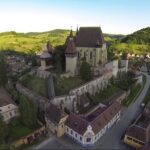
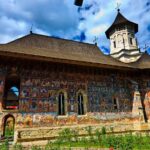
Biertan Fortified Church is the UNESCO highlight. The church rises above Saxon-style buildings in a way that feels almost theatrical, like the village is built to protect it. The fortified church concept matters: this wasn’t just a church you visited—it was a defense structure for community survival.
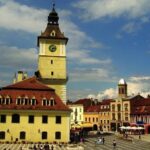
After Biertan, you move to Sighișoara, also UNESCO-listed. Your guided walking tour focuses on the citadel and key landmarks such as the Clock Tower, the Church on the Hill, and the house where Vlad the Impaler was born (as presented on this route). You’ll also have time to explore the medieval fabric of the place: pastel facades, stone lanes, and town towers that make it easy to picture why this town kept its identity through centuries.
Lunch is flexible here. The plan says lunch can be arranged in Sighișoara’s medieval area, including at Dracula House Restaurant, but you’re also told you’ll have the rest of the day at your leisure. That free time is useful. It gives you space to wander without always watching the clock.
You can also read our reviews of more tours and experiences in Bucharest
Day 5: Prejmer’s thick walls, Bran Castle, Rasnov views, and a Brasov base
This day is the busiest mix of “great fort” and “big-name Dracula.”
First up: Peasant Fortified Church at Prejmer (UNESCO). This is one of those places where the engineering tells the story. You’re looking at extremely thick walls (noted as about 4.5 meters in the description), and the complex includes defense corridors and storage-like features with a history tied to Teutonic knights. You also get the special insight that the fortress once had many small rooms—some 270 store rooms mentioned—used when communities retreated during danger. Walking inside a defensive layout changes how you understand every other fortress on the trip.
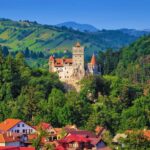
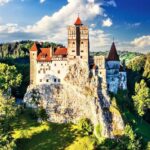
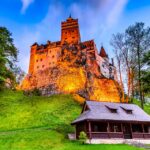
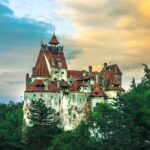
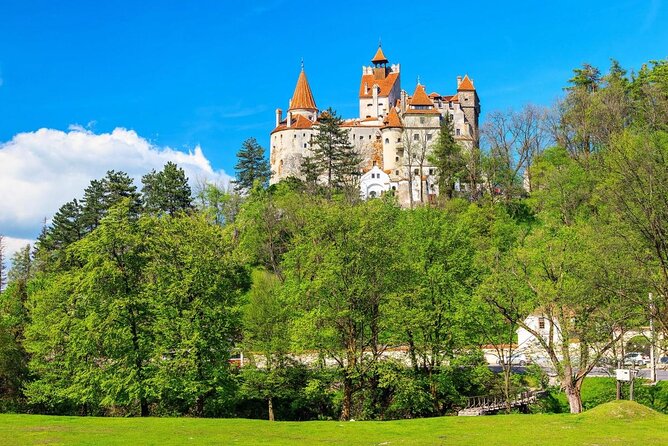
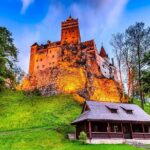
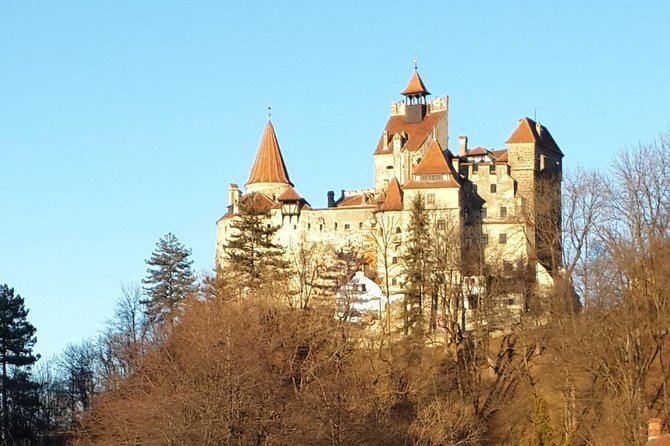
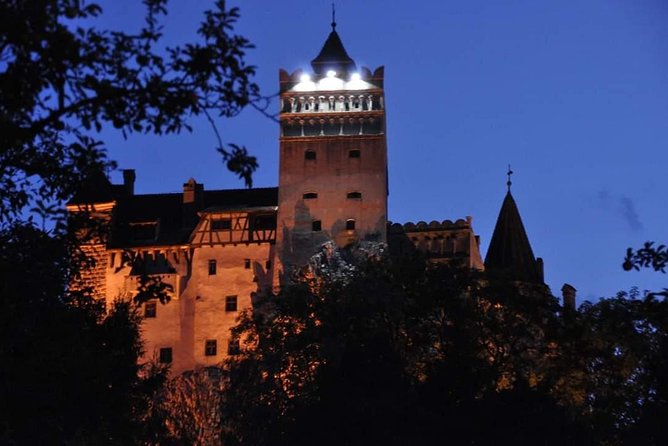
Then you go to Bran Castle, commonly branded as Dracula’s Castle. The tour frames it as the moment to separate legend from reality, but you’ll still feel the Dracula vibe in the way the site is interpreted. To reach Bran, you travel through the Prahova Valley, with scenic viewpoints mentioned around Bușteni and the Bucegi Mountains. Lunch can be arranged in Bran village.
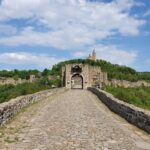
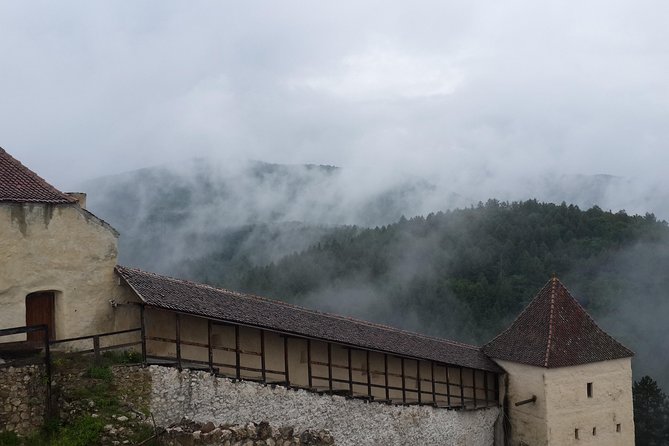
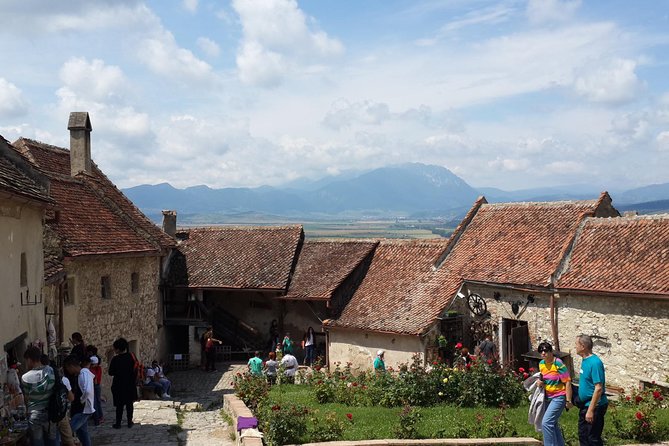
After Bran, you move to Rasnov for the fortified town experience and panoramic views from the fortress top. Rasnov is described as one of the best-preserved peasant fortresses in Transylvania, and that’s exactly the point: this isn’t only about noble residences. It’s about how ordinary people built a last line of safety.
You finish by transferring to Brașov, arriving around 6 pm, and overnight at Casa Timar Pension (en-suite rooms, with breakfast included). Brașov works well as a final base because it’s a practical stop before Sinaia and your return to Bucharest.
Day 6: Peliș Castle, Snagov Monastery, and back to Bucharest
Your last day mixes royal Romania and the final Vlad/Dracula “where the story ends” stop.
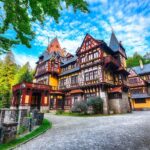
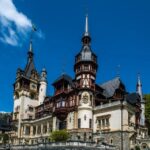
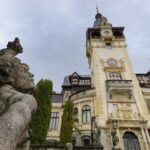
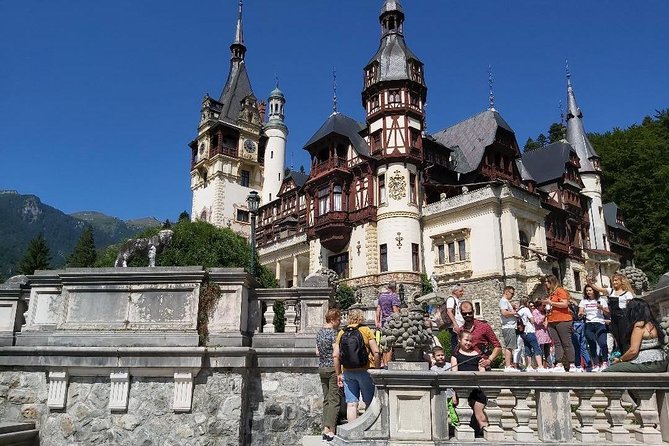
At Peliș Castle in Sinaia, you’re visiting the summer residence of the former Romanian royal family. The description highlights it as a top museum experience and notes that it was built over nearly 40 years by King Carol I. Even if you’re not a museum person, the castle setting is still a strong capstone to the week.
Next is Snagov Monastery, connected to Vlad the Impaler legends. This is not just a quick stop. The plan discusses the monastery’s association with Vlad’s final resting story, plus the folklore around secrets and punishment—so you should expect a heavier “legend with details” tone here than at a typical sightseeing church. There’s also practical payoff: the monastery’s remote setting is the kind of place that makes you slow down and look around, whether you’re approaching by boat or on foot.
You then transfer back to Bucharest and finish at your hotel.
Where you’ll sleep matters more than you think
The tour includes five nights total across three main types of lodging: a small pension in Sibiel, a Dracula Castle hotel night near Borgo Pass, and then bases in Sighișoara and Brașov.
What I like about the lodging plan is that it supports different moods. Sibiel-area nights help you feel grounded and local, especially since the included dinners include wine and Romanian plum brandy. Sighișoara gives you a medieval town atmosphere right before your Bran/Prejmer day. Brașov gives you practicality on the final travel stretch.
A heads-up based on what’s been experienced before: the Dracula Castle hotel location can feel far from lively town life. It’s not necessarily a bad choice—just a trade. If you want evening walks in a historic center, you might feel the distance more than you expect.
Guides and the small things that make it feel smooth
This is a private tour, so your guide isn’t juggling five groups at once. In past runs, you may meet guides such as Bogdan, Dan, Adriana, or Mimi. The common thread in the guide feedback is straightforward: they drive well, keep the schedule sensible, and explain what you’re seeing in a way that makes the sites connect to the bigger story of Romania.
Also, the tour lists guaranteed skip-the-line help and a mobile ticket. That’s not a thrill by itself, but it cuts stress—especially on busy castle and church sites.
Best time to go, and how the route adapts when nature doesn’t cooperate
This is a tour that adapts. The Transfăgărășan Road is only open between July and October. In the rest of the year, the route crosses the mountains via Olt Valley instead on Day 1. That’s important for two reasons: your driving day changes, and the scenic payoff you expect from the Transfăgărășan segment may be replaced by a different mountain route.
You should also note two site-specific conditions:
- Poienari Castle is under renovation, and you might only be able to see it from the bottom of the mountain.
- The hotel in Borgo Pass is closed, so the tour may stay instead in Bistrița or adjust the itinerary with Turda Salt Mine, based on the note provided.
When the itinerary changes, it’s still designed to keep the week coherent. But you’ll want to plan your expectations around access and seasonal road realities.
What it suits best (and who should pass)
This tour suits you if:
- you want a private Romania trip with Dracula flavor, not a crowded bus day tour
- you like UNESCO sites and fortified churches, not only big-name castles
- you’re okay with a physically active day (Poienari’s stairs are the key one)
- you’d rather pay for a smooth plan than stitch together a DIY route across multiple regions
It may not suit you as well if:
- you dislike paying extra entrance fees during the trip (since entrance fees are not listed as included)
- you prefer quiet, low-effort sightseeing all week
- you strongly want a walkable town right outside your hotel every night (one lodging stop can feel more isolated)
Should you book this private Dracula tour from Bucharest?
I’d book it if your goal is a smart, guided Transylvania circuit with both folklore and real fortified history—plus door-to-door logistics. The best part is how the week doesn’t stop at Dracula props. You get real defense architecture (Prejmer and Biertan), medieval town textures (Sibiu and Sighișoara), and the signature road experience on Transfăgărășan when the season allows.
If you’re choosing this mainly for Bran and Dracula Castle vibes, you might feel the trip’s deeper fort/church focus more than you expected. And if renovation or seasonal changes hit Poienari or Borgo Pass for your exact dates, the week can shift. Still, that’s part of traveling in a place where seasons and restorations are real.
If you want my quick rule: book this if you enjoy guided storytelling paired with UNESCO-grade sites, and if you can handle a few tougher walks with good shoes.