REVIEW · BUCHAREST
Bucharest: Relics of Communism 3-Hour Walking Tour
Book on GetYourGuide →Operated by MARA’S TOURS & TRAVEL · Bookable on GetYourGuide
Bucharest’s communist story is written in stone. In just 3 hours, you’ll walk the key places where socialist realism shaped the city and where the 1989 Revolution changed everything. I especially like how the guide ties brutal architecture to what people actually dealt with day to day, and I also like the extra attention paid to places most visitors miss, like the hidden churches. One drawback to consider: this is not a light-and-funny city stroll. It gets real about propaganda and repression.
You meet at the Memorial of Rebirth in Revolution Square, then move through Revolution Square landmarks, the Civic Centre area, and the Palace of the Parliament, before finishing at Piața Constituției. It’s $44 per person, led by an English-speaking guide in a small group of up to 10, and you’ll get a Romanian snack souvenir along the way.
In This Review
- Key Highlights Worth Planning For
- Bucharest’s Communist Center Still Feels Like Power
- Revolution Square and the Last Speech at the Balcony
- Socialist Realism Up Close: Civic Centre and the Palace of the Parliament
- Hidden Churches: What Communists Tried to Forget
- Everyday Life Under Ceaușescu: Ration Cards, Black Markets, and Fear
- Getting the Pace Right: Small Group, English Guide, Real Q&A
- Practical Value: Is $44 a Good Deal?
- Who This Tour Fits Best
- Should You Book the Bucharest Relics of Communism Tour?
- FAQ
- How long is the Bucharest relics of communism walking tour?
- Where do I meet the guide?
- What’s the group size?
- Is the tour in English?
- What stops and areas does the tour cover?
- Is the Palace of the Parliament included in the tour?
- What’s included in the price?
- Is hotel pickup included?
- Can I cancel for free?
- Does it offer reserve now, pay later?
Key Highlights Worth Planning For
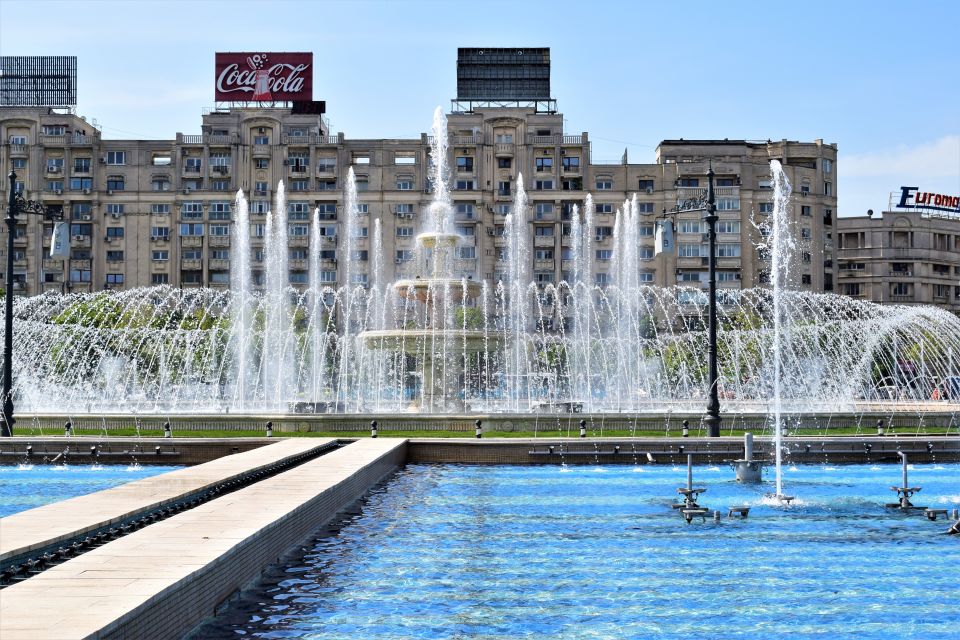
- Memorial of Rebirth start point: you begin right in the center of the Revolution story
- Revolution Square balcony moment: the tour starts with Ceaușescu’s last speech location
- Palace of the Parliament focus: guided time at the heart of communist power
- Hidden churches stop: the tour includes Michael the Voivode Church
- Small-group Q&A energy: guides like Elena, Stefan, and Tudor are praised for answering questions in detail
Bucharest’s Communist Center Still Feels Like Power
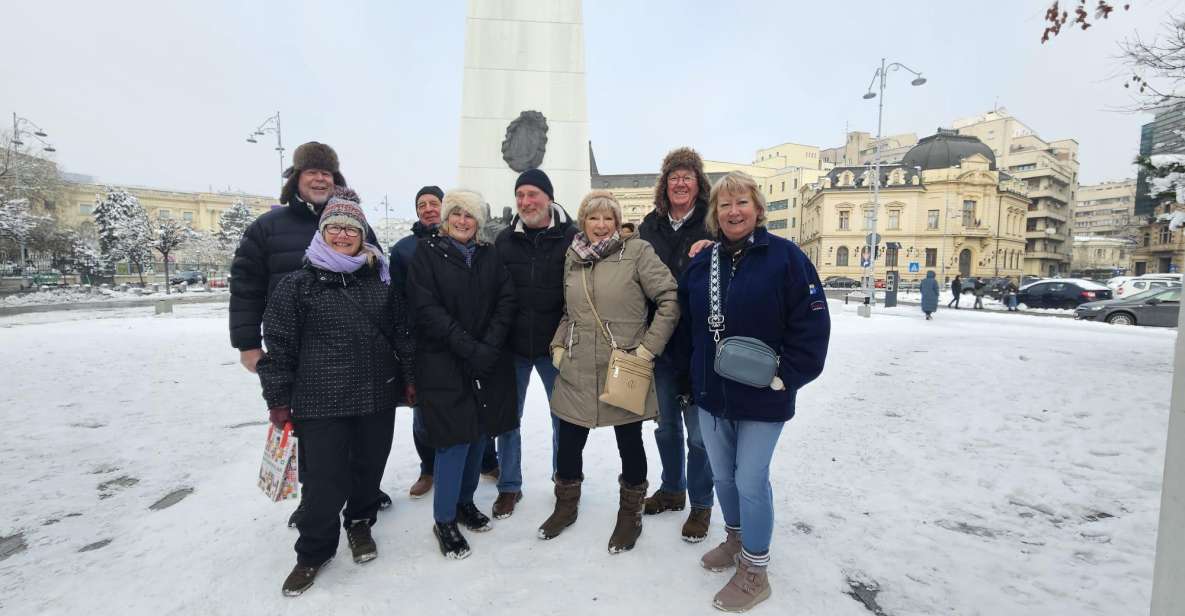
Bucharest can look almost theatrical if you know what to notice. The wide boulevards, the monument-heavy buildings, and the rigid symmetry are not just “old.” They were designed to make the state look permanent. That’s why this walk works so well: it doesn’t treat communism like a museum label. It shows you how politics was built into everyday space.
You’ll spend your time in areas that connect three things: ideology, architecture, and human experience. The socialist-era buildings here were meant to be symbols you couldn’t ignore. And when you contrast those heavy monuments with religious sites that survived in plain sight, the city starts telling a fuller story than any postcard route can manage.
The best part is that a good guide keeps steering you back to cause and effect. When someone built a massive parliament, it wasn’t just an architectural choice. It was a signal about who mattered and who didn’t. When someone erased or sidelined certain religious spaces, it was also a signal. This tour gives you that kind of connection.
You can also read our reviews of more walking tours in Bucharest
Revolution Square and the Last Speech at the Balcony
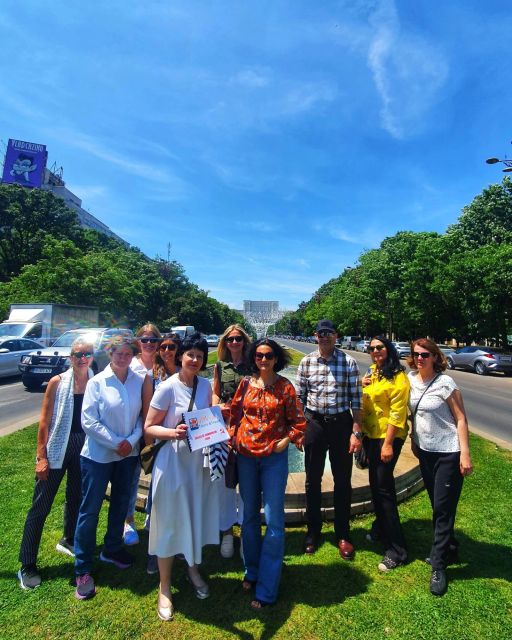
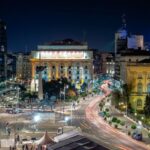
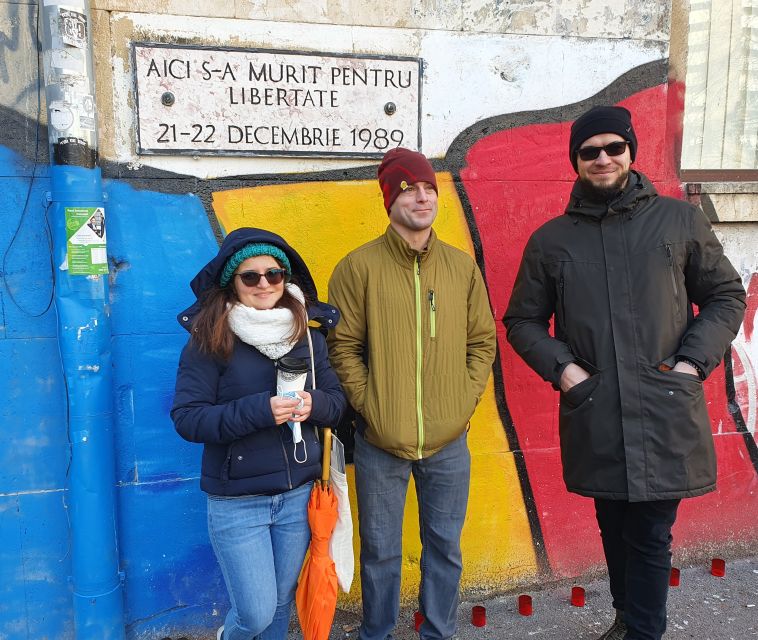
The tour begins at the Memorial of Rebirth, right in Revolution Square. That matters because you’re starting where the mood shifted from public life to something dangerous and historic. You’ll then spend time in and around Piața 21 Decembrie 1989, where the story of the 1989 Revolution is tied to specific locations rather than vague background.
A highlight here is the balcony-related moment. The guide points you to where Ceaușescu held his last speech, and that detail gives the whole square a sharper edge. You start noticing how public space can be used like a stage. Standing in that area, you’ll get why people remember this event as more than politics on a TV screen.
The guided time is short enough that you don’t feel dragged through facts. But it’s still enough to build a timeline you can carry into the next stops. If you like asking questions, you’ll probably get time for it too—many visitors praise the guides for going beyond set explanations.
Socialist Realism Up Close: Civic Centre and the Palace of the Parliament
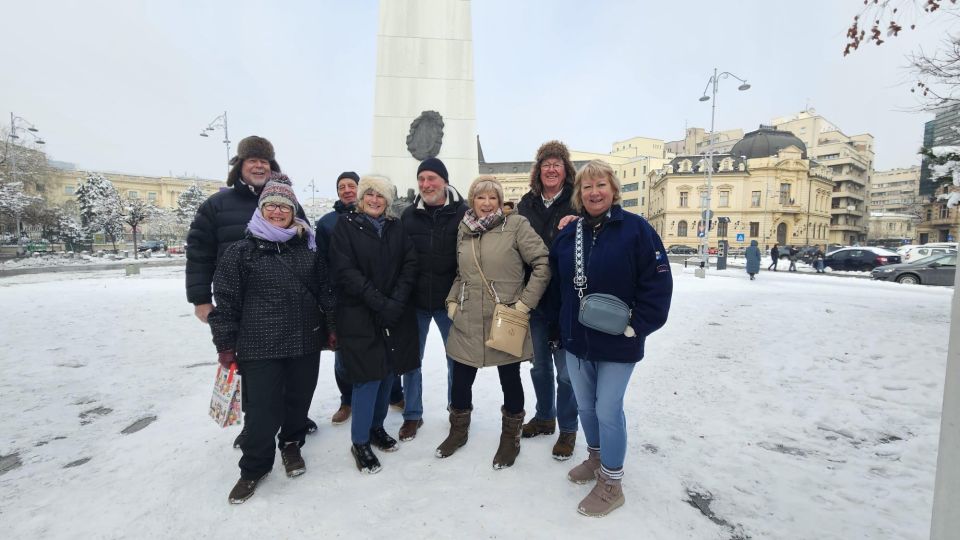
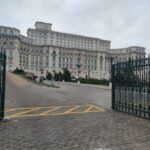
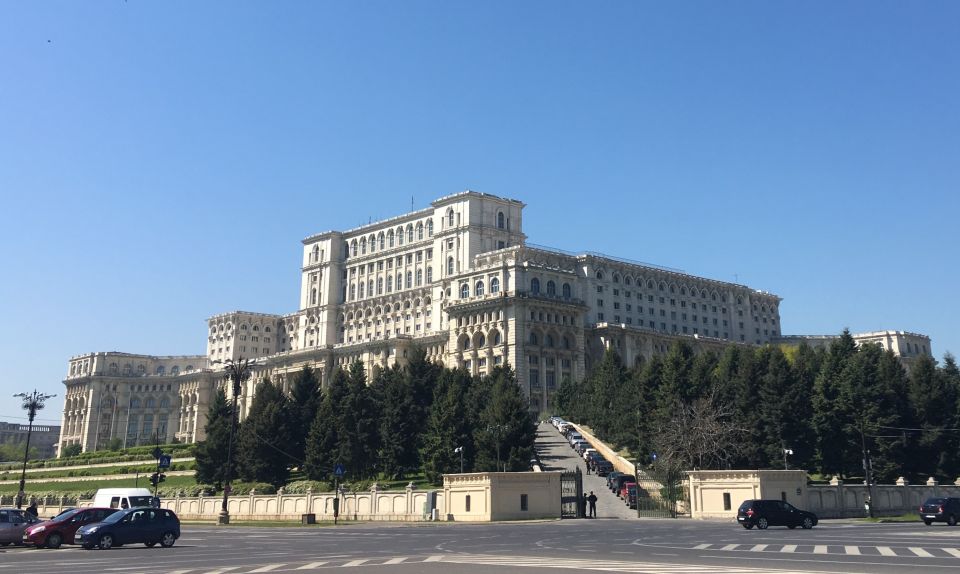
After Revolution Square, you move into the core of what people call socialist realism—buildings designed to project authority. This is where Bucharest can feel like it’s trying to outgrow regular human scale. The “center of power” idea is not abstract here. You can read it in the size, the layout, and the way the buildings take over the space around them.
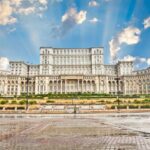
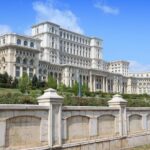
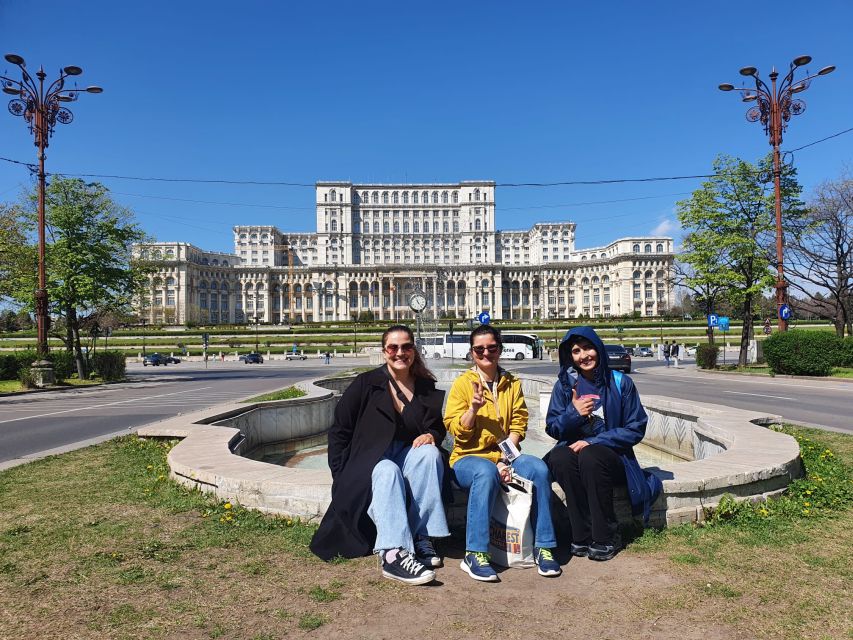
You’ll see the Palace of the Parliament, with guided time to help you interpret the symbolism. The palace is described as being designed as the absolute center of power, and your guide will help you look past the headline and into what that design meant in practice. Think: how governments want their presence to feel. Think: how citizens are meant to perceive the state’s permanence.
You’ll also look at buildings associated with the Civic Centre Project. Even if you’re not an architecture nerd, you can still appreciate the logic. These areas were built as a planned statement—big blocks, rigid design language, and a layout that encourages the sense that the state is always watching. It can feel heavy, but it’s also fascinating because it’s visual propaganda.
A practical note: this part of the walk is where your photos will come fast. But don’t rush your brain just to capture images. I like taking a minute to look at how the city’s older elegance contrasts with the communist-era blocks. That contrast is one of the tour’s strongest teaching tools.
Hidden Churches: What Communists Tried to Forget
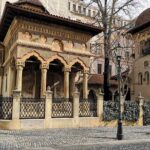
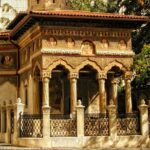
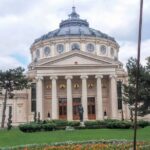
One stop that adds heart to the history lesson is Michael the Voivode Church. It’s included as a visit with guided explanation, and it’s the kind of place you might overlook if you’re doing a purely landmark-based route.
Religious sites matter in a tour like this because they show survival. Communism was more than a political system; it also worked to control culture, public life, and belief. So when you visit a church that the communists wished to forget, you’re seeing a counter-story—quiet persistence instead of official spectacle.
This is also where the pace can feel more human. After staring at monumental state buildings, stepping into a church space can reset your understanding of what “power” really meant. It wasn’t only about government control. It was also about what people held onto when the state tried to rewrite society.
If you’re sensitive to emotionally intense history, this is a helpful balance. You’ll still be learning about the repression side of the era, but you’ll also see why the story wasn’t only doom and collapse.
Everyday Life Under Ceaușescu: Ration Cards, Black Markets, and Fear
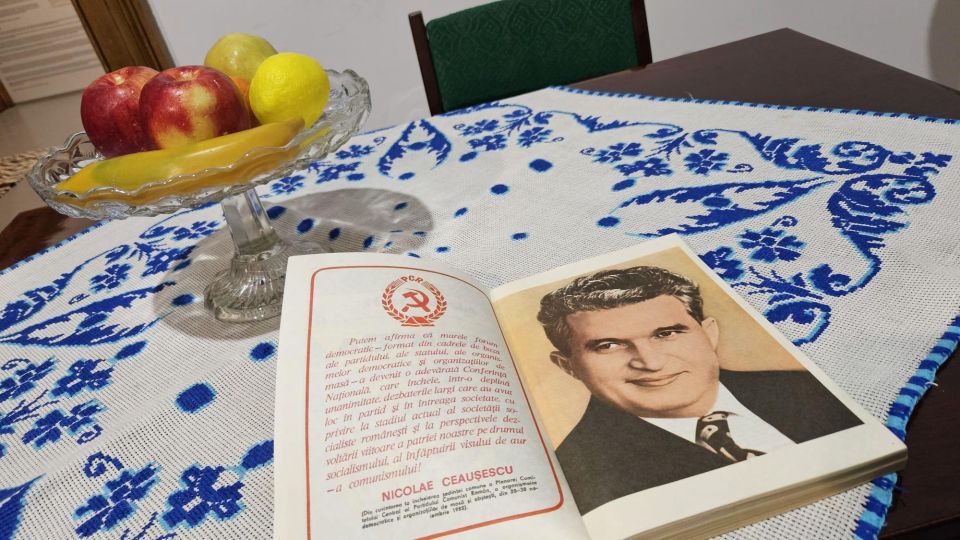
The tour doesn’t stay stuck on buildings. It also focuses on day-to-day life under Ceaușescu’s rule, including ration cards, the black market, propaganda, and the secret police. That’s crucial, because architecture can be studied with your eyes. Life under communism has to be understood with empathy.
You’ll hear how systems shaped ordinary routines. Rationing turns meals into math. Propaganda turns daily messages into mental wallpaper. And the secret police changes what people dare to say, even in public. When the guide brings those points together, the big monuments stop being just big. They start becoming meaningful.
I also like that the tour is designed to make the information feel specific rather than theoretical. From the types of examples described by past visitors, guides may reference real artifacts and visuals—things like old communist school books, a pupil scarf symbol, comparisons of old versus new Bucharest, and documentary-style footage from the revolution era. Even if you don’t see every item, the approach is the same: you’ll get context that makes the era easier to picture.
There’s a reason this stop gets such high praise. When a guide explains daily life clearly, you don’t just memorize dates. You start understanding how people lived inside a system.
You can also read our reviews of more tours and experiences in Bucharest


Getting the Pace Right: Small Group, English Guide, Real Q&A
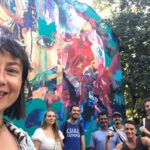
This is a 3-hour walking tour in a small group, limited to 10 participants. That size matters more than people think. You’ll move through tight central streets and important squares without constantly waiting for everyone to regroup. It also makes it easier for the guide to notice who has questions.
Past experiences with guides such as Elena, Stefan, Stephan, and Tudor are repeatedly described as personal and question-friendly. That matches what I think you want from a tour like this: you’re walking through emotionally charged history. You’ll likely have questions about what you’re seeing, what was really happening, and how Bucharest changed after 1989.
The tour time at each main location is planned so you can actually process it. You don’t just stop, look, and sprint onward. There’s guided time at places like Revolution Square and the Piața 21 Decembrie 1989 area, and guided time at major sites such as the Palace of the Parliament. You should feel like you have enough breathing room without losing momentum.
Also, you’re not on the hook for hotel pickup. You meet at the Memorial of Rebirth, and then you walk your way through the history. Bring comfortable shoes, and plan to stay alert. This is not a “sit and listen the whole time” tour.
Practical Value: Is $44 a Good Deal?
At $44 per person, you’re paying for three things: a live English guide, guided time at major sites, and a small Romanian snack souvenir.
Is it worth it? For me, yes—because guided history in Bucharest is not just trivia. You’re paying for interpretation. The Palace of the Parliament and the Civic Centre area can look overwhelming if you only use a map. A strong guide helps you understand why the spaces look the way they do, and how to read the city as a political document.
You’re also getting value from the group size. With a small group, the experience can feel more like a conversation with expertise than a scripted march. Many visitors call out the guide’s enthusiasm and depth of research, which matters when you’re dealing with a complex era.
One consideration: if you mainly want the prettiest views and quick photos, $44 may feel like more than you need. But if you want context—how people lived, what repression looked like, and how the revolution is tied to specific places—this price lands more comfortably.
Who This Tour Fits Best
This tour is a great match if you’re the type of traveler who likes your sightseeing with an explanation. You’ll probably enjoy it if you care about the 1989 Revolution, want to see the architecture of socialist realism, or appreciate hidden stops like Michael the Voivode Church.
It’s also a good choice for history-minded visitors who want a focused, walkable route rather than a full-day program. And if you’re curious about how political systems reshape daily life—from ration cards to propaganda—this kind of story-first itinerary works well.
If, on the other hand, you don’t want to hear about secret police and repression, you may find the subject matter heavy. You can still enjoy the architecture, but the emotional weight is part of the point here.
Should You Book the Bucharest Relics of Communism Tour?
Book it if you want to understand Bucharest rather than just look at it. The combination of Revolution Square storytelling, guided time around the Palace of the Parliament, and the contrast with hidden religious spaces makes this more than a list of sights.
Skip it only if you prefer light, general sightseeing without political context. For everyone else, this is one of those tours that gives you a better way to read the city for the rest of your trip. You’ll leave with clearer ideas about how power was staged in public space—and how everyday life worked under Ceaușescu’s rule.
FAQ
How long is the Bucharest relics of communism walking tour?
It lasts 3 hours.
Where do I meet the guide?
You meet at the Memorial of Rebirth in Revolution Square.
What’s the group size?
The tour is a small group limited to 10 participants.
Is the tour in English?
Yes, the guide speaks English.
What stops and areas does the tour cover?
You’ll cover Revolution Square and related sites, Piața 21 Decembrie 1989, Michael the Voivode Church, Piața Unirii, the Palace of the Parliament, and you’ll finish at Piața Constituției.
Is the Palace of the Parliament included in the tour?
Yes, there is a guided stop there.
What’s included in the price?
The price includes a walking tour with an English guide and a Romanian snack souvenir.
Is hotel pickup included?
No, hotel pickup and drop-off are not included.
Can I cancel for free?
Yes. You can cancel up to 24 hours in advance for a full refund.
Does it offer reserve now, pay later?
Yes. The option to reserve now and pay later is available.