REVIEW · BUCHAREST
Bucharest: 3-Hour Dark History Tour with a Local
Book on GetYourGuide →Operated by Asociația Coolturală Nouă ne pasă! · Bookable on GetYourGuide
Bucharest has a dark side.
This 3-hour tour walks you through the events and people that shaped modern Romania, moving from haunting cemeteries to Revolution-era bloodshed and the communist machinery of fear.
What I like most is the way you see connections, not just stops. You get Bellu Cemetery as art and storytelling, then you carry those emotions forward to the 1989 Revolution sites without it feeling random.
One thing to consider: this is a heavy-theme walk with lots of street time. If you dislike grim topics, or if cold weather makes you miserable, plan accordingly with solid shoes and warm layers.
In This Review
- Key highlights
- Meeting at Ion Luca Caragiale Theatre and getting your bearings
- A cemetery street with six stories before you even reach Bellu
- Bellu Cemetery: funerary architecture and the feeling of real people
- University Square: where protest history turned bloody
- Little Paris, interwar sex trade, and what remains in the streets
- The Vampire of Bucharest: serial killer terror in the early 1970s
- Revolution Square and the communist regime’s tools of control
- Metro tickets, snack moments, and the 3-hour pacing
- Who this tour is for (and who should sit this one out)
- Guides and what makes the experience feel personal
- Price and logistics: is $55 worth it?
- FAQ
- FAQ
- How long is the tour?
- Where does the tour start?
- Is the tour in English?
- What’s included in the price?
- What should I bring?
- Is this tour suitable for children?
- How large is the group?
- What topics will the guide cover?
- Can I get a refund if I cancel?
- Should you book this Bucharest Dark History Tour with a Local?
Key highlights
- Bellu Cemetery (a national historical monument): funerary architecture plus real stories that stick
- A cemetery street with multiple major burial grounds: victims of the 1989 Revolution, Jewish cemetery, Russian soldiers’ cemetery, and more
- University Square’s Revolution role: a key stage for 1989 events and later 90s anti-communist protests
- Interwar Bucharest’s Little Paris: what’s left behind of the sex trade era and its shadow side
- The Vampire of Bucharest: a serial-killer story from the early 1970s
- Revolution Square and communist terror: Ceaușescu-era repression, Securitate, prisons, forced labor, and torture
Meeting at Ion Luca Caragiale Theatre and getting your bearings
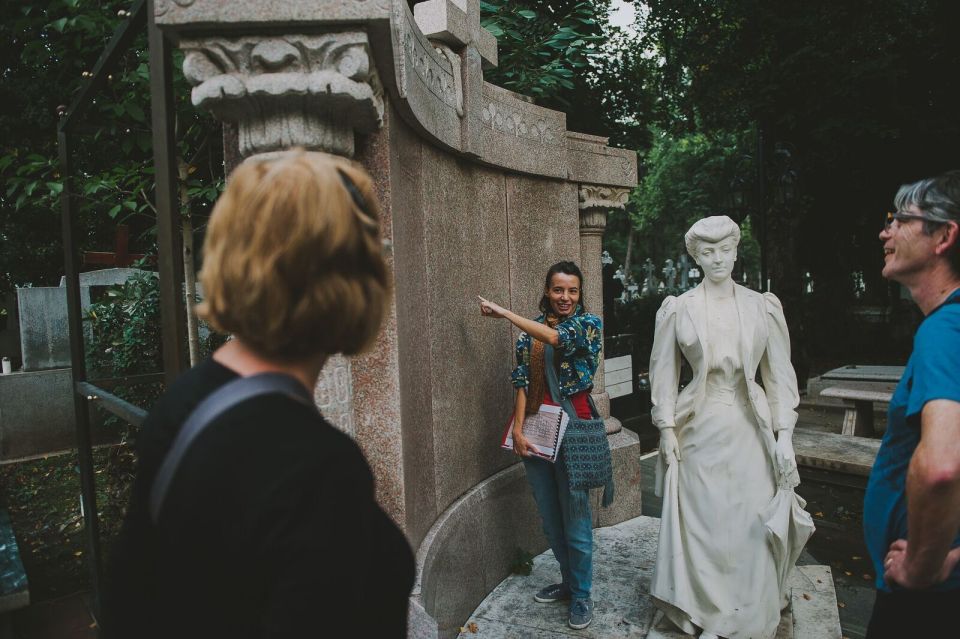
You start at the main entrance of the Ion Luca Caragiale National Theatre (Bulevardul Nicolae Bălcescu 2). It’s a handy landmark close enough to the center that you’re not wasting the first minutes figuring out how to meet up.
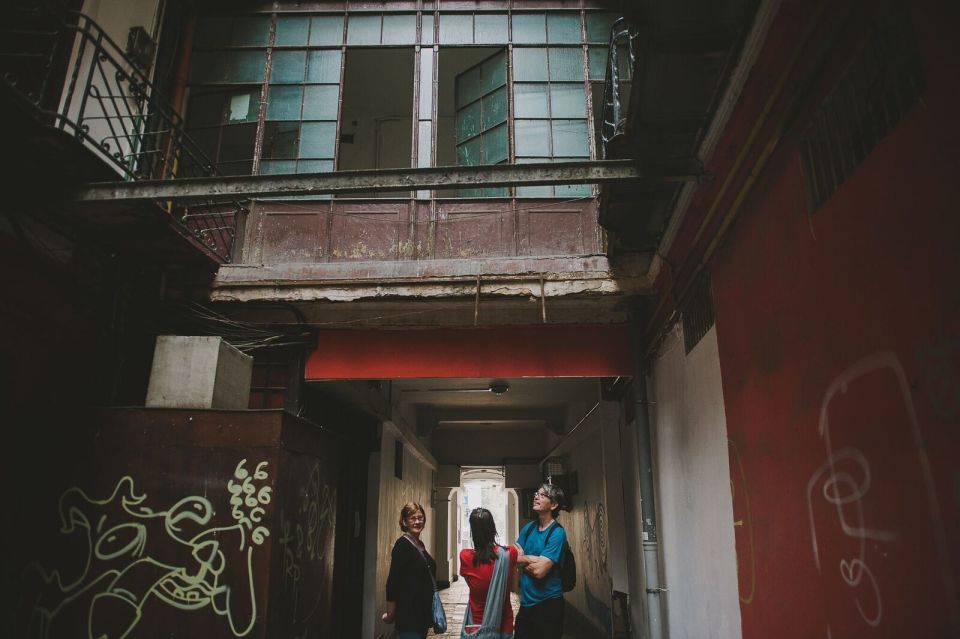
Once you’re with your local English-speaking guide, the tone is set right away: this is a city-walk tour built around specific places, but also around how those places got their reputations. Many guides lean into the small visual clues too, like street details and the way buildings show age, repair, and scars.
Expect a group capped at 12 people. That size matters. You’re not just herded forward; you can ask questions when something hits a nerve or raises a practical curiosity.
You can also read our reviews of more historical tours in Bucharest

A cemetery street with six stories before you even reach Bellu
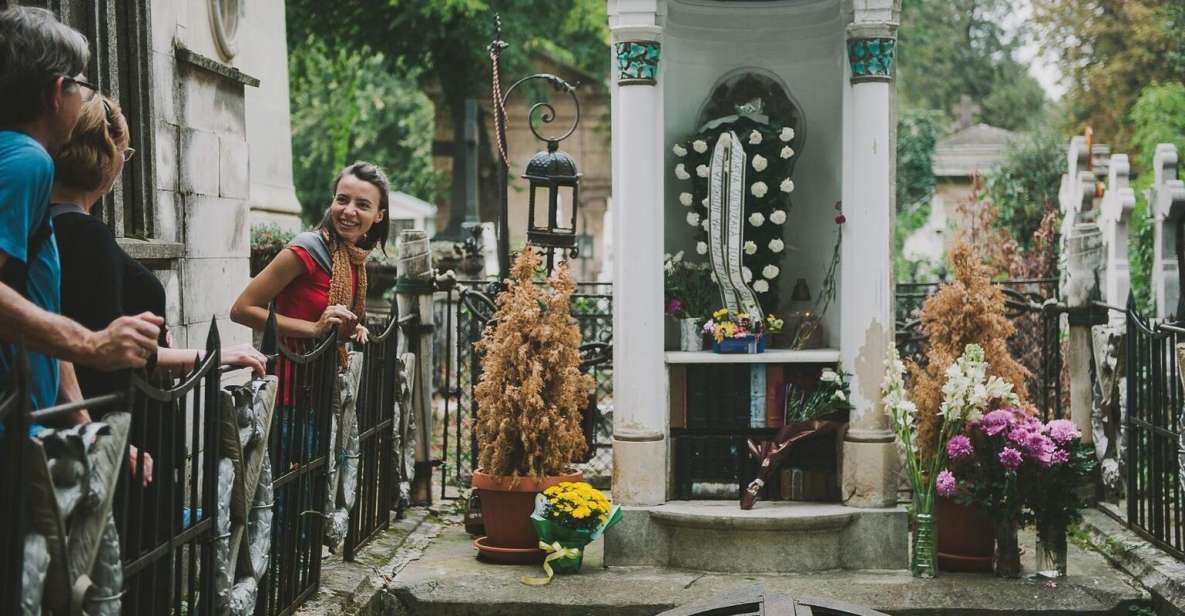
One of the smartest parts of the tour is the opening “warm-up” street. You’ll start near the center on a road that hosts at least six cemeteries, each tied to a different chapter of Bucharest’s history.
Here’s what you’ll connect to on this stretch:
- the Cemetery of the Victims of the Revolution in 1989
- the Jewish Cemetery
- the Cemetery of the Russian Soldiers
- the older historical Bellu Cemetery you’ll visit together
Even if you only remember the names, you’ll walk away understanding something useful: Bucharest’s dark history isn’t one single event. It’s a pile of overlapping losses, communities, wars, and political shifts—some honored, some erased, some remembered through monuments that were meant to last.
Bellu Cemetery: funerary architecture and the feeling of real people
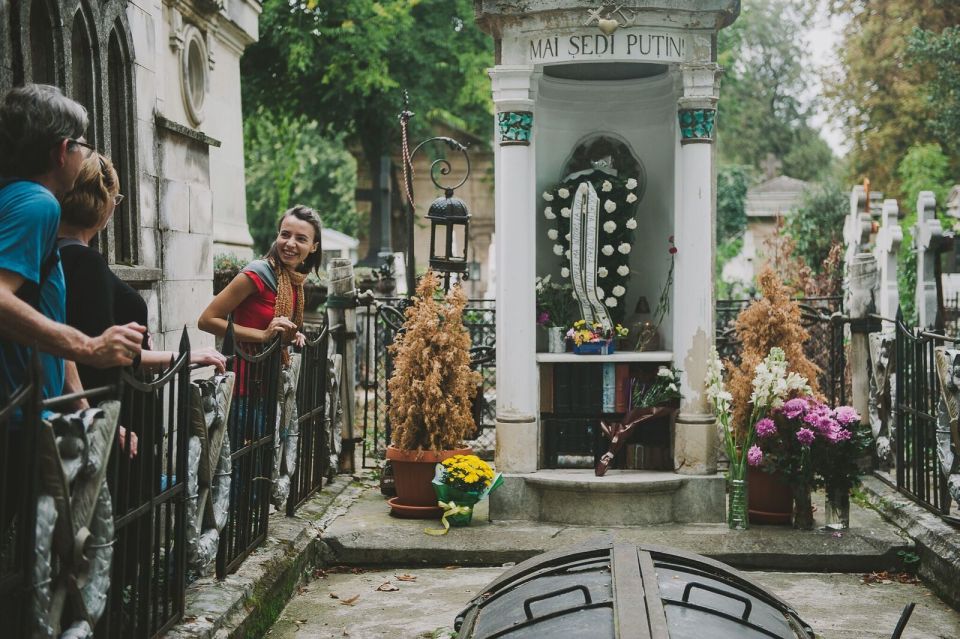
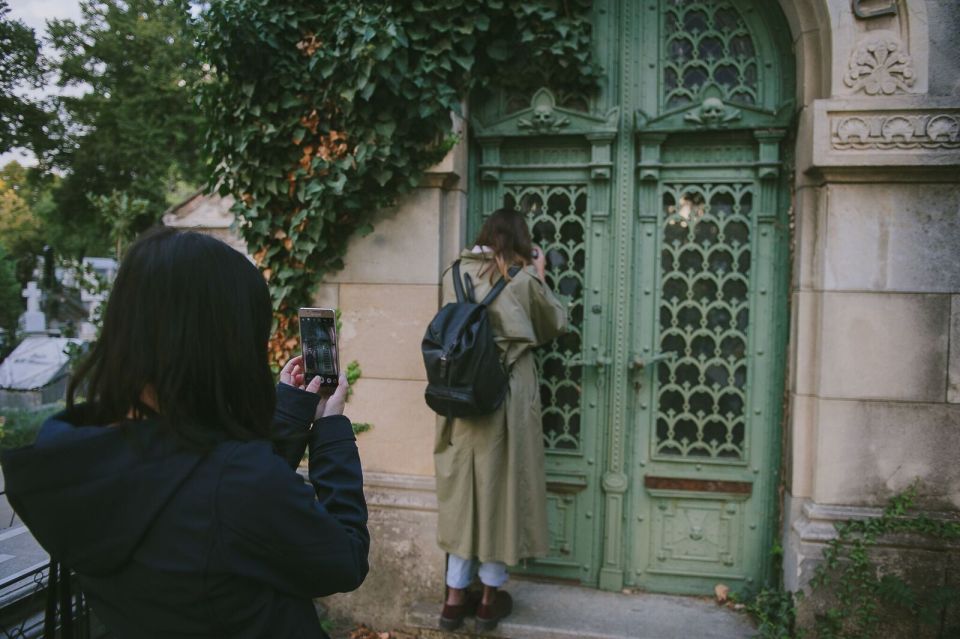
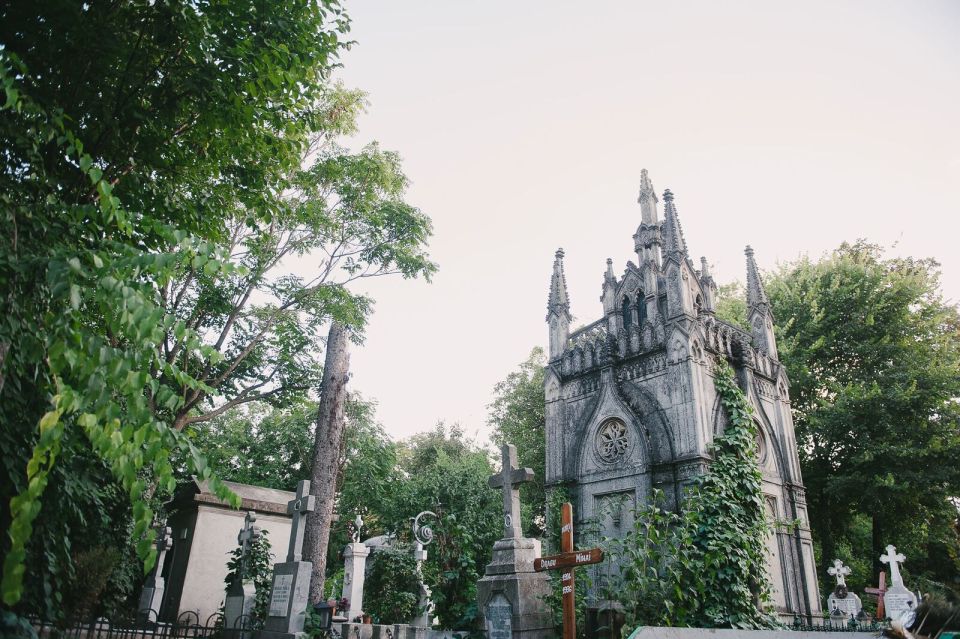
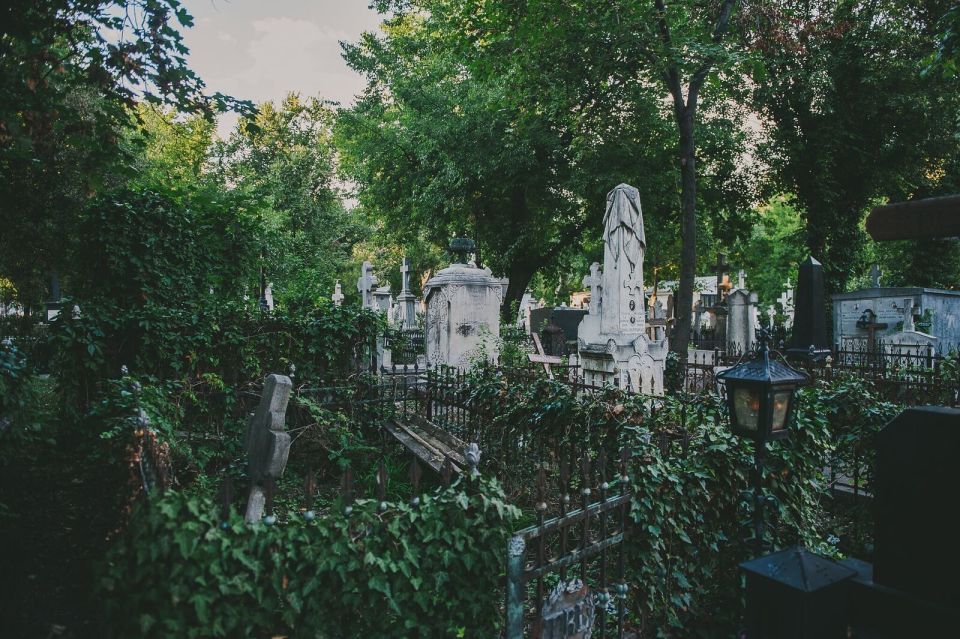
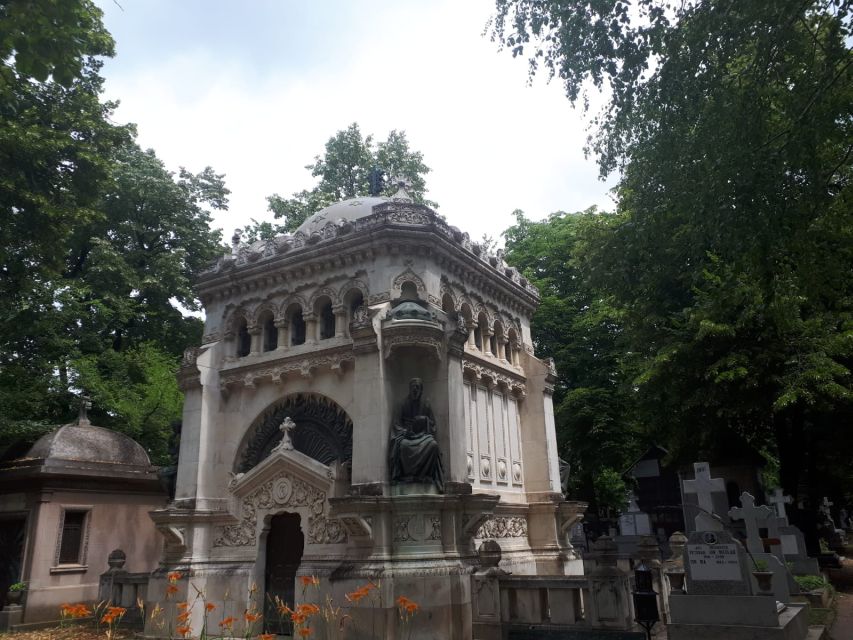
Bellu Cemetery is the emotional centerpiece. The tour treats it like more than a photo stop. It’s a national historical monument packed with funerary architecture that feels almost like a museum—except the objects are tombs, and the “exhibits” are lives made permanent.
You’ll hear stories across a wide emotional range. The guide points out how a cemetery can hold everything from sad love narratives to sinister mysteries, all in the same walking route. That range is exactly why I think this stop works well on a short, focused tour. You don’t just get one mood; you get the whole spectrum of how people coped when death was close.
A practical note: cemeteries mean steady walking on uneven ground. Comfortable shoes aren’t a suggestion here—they’re what keep the tour enjoyable when you’re standing around reading details and moving again.
Also, you may notice the human side of the place beyond monuments. Some guides actively talk about the local stray cats and dogs that hang around, and those moments add texture that feels genuinely local rather than scripted.
University Square: where protest history turned bloody
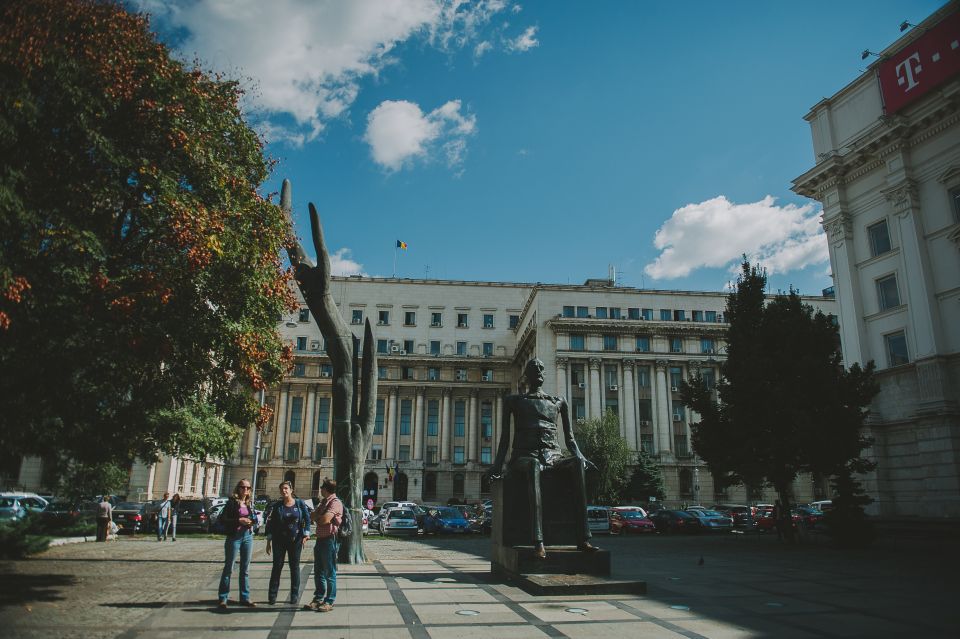
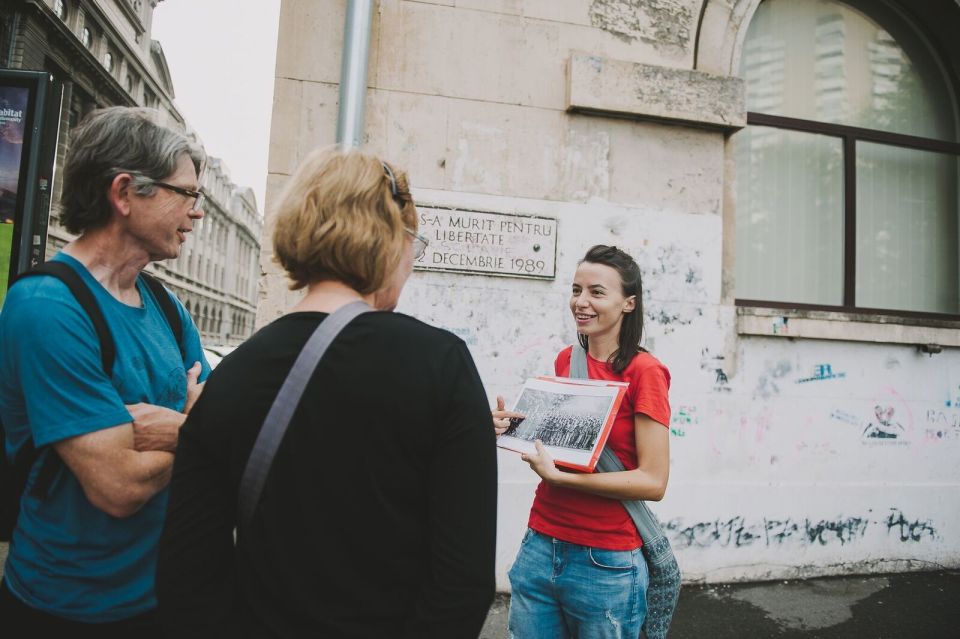
After the cemetery atmosphere, the tour moves you into Revolution-era geography—starting with University Square. This is one of the city’s key squares for the 1989 Revolution, and it also connects to the anti-communist student protests in the 1990s.
The tour’s value here is context. It explains why this space mattered, not just that it “happened here.” You get a sense of how public squares function in a city under pressure: they’re where people gather fast, where messages spread, and where violence becomes visible.
And yes, this is part of the “dark history” theme. The guide discusses bloodshed linked to the Revolution events and later protests. If you prefer your history neat and clean, this section will feel raw—but if you want the truth of how change actually happened, this stop delivers.
Little Paris, interwar sex trade, and what remains in the streets
Next comes interwar Bucharest, often described as the “Little Paris” era—when parts of the city carried a sophisticated, European-looking atmosphere while other realities sat right underneath it.
The tour explains the practice of the sex trade in interwar Bucharest, and it points you toward what’s left behind today. This isn’t handled like gossip. It’s presented as social history: a mix of economics, power, and survival in a period of shifting norms.
Why this works on a dark history tour: it widens the definition of “dark.” Instead of only focusing on executions or prisons, you also look at the quieter forms of coercion and exploitation that existed right next to glamour.
It’s also one of the sections where a good guide earns trust. The best ones connect the story to visible street cues—how architecture and neighborhood patterns hint at what used to operate there.
You can also read our reviews of more tours and experiences in Bucharest




The Vampire of Bucharest: serial killer terror in the early 1970s
Then you hit one of the tour’s most talked-about themes: a serial killer nicknamed the Vampire of Bucharest, active in the early 1970s.
You won’t need crime-history knowledge to follow along. The tour uses this story to show how fear spreads through a city—how rumors grow, how people change routines, and how public uncertainty can become a part of daily life.
One practical consideration: crime stories can feel intense, especially when layered after political oppression and Revolution violence. If you’re sensitive to true-crime-style detail, give yourself permission to step back mentally during this section and focus on the historical angle the guide provides.
Revolution Square and the communist regime’s tools of control
The final major stop is Revolution Square, tied to where the Revolution in 1989 started in Bucharest. This is where the tour pulls together the political arc: how Ceaușescu’s dictatorship tightened control, how dissent got targeted, and how repression became routine.
You’ll hear about:
- prisons and forced labor camps
- torture methods used by the communist regime
- the terror instilled in people by the Securitate
- and the idea of the Securitate functioning like Romania’s version of the secret-police model many people associate with the KGB
The most valuable part of this section is how the guide frames daily life under that system. It’s not just facts and dates. You get a sense of what people had to manage day to day to survive—what was risky, what was safest to say, and how fear shapes behavior even when no one is watching.
Metro tickets, snack moments, and the 3-hour pacing
At $55 per person for a 3-hour small-group tour, the value comes from what’s included and how much ground you cover. You get:
- a local English-speaking guide
- a traditional street snack
- metro tickets
That combo matters in Bucharest. Central distances can be easy on paper, but real time is eaten by transfers, waiting, and “where do we go next?” moments. Here, your guide handles the flow so you can spend your brain on the stories, not on transit math.
Pacing is also a big deal. This is built like a walk-with-meaning tour, so you’re not stuck staring at one thing for too long. Still, many people note the walking adds up. If you’re prone to sore feet, I’d plan to treat this as your active afternoon, not as a casual stroll.
Some guides also add small thoughtful touches at the end, like Romanian chocolate, and that fits the overall style: practical, friendly, and very local.
Who this tour is for (and who should sit this one out)
This tour fits you if:
- you want Bucharest beyond postcards
- you’re interested in how political change and social life overlap
- you like guided storytelling that points out details you’d miss on your own
- you don’t mind heavy themes, including political violence and exploitation
It’s probably not for you if:
- you’re looking for light entertainment or a “fun spooky” vibe only
- you hate lots of walking on city streets
- you’re traveling with kids; it’s not permitted for anyone under 16
The age rule is strict for a reason: the subject matter includes violent repression and other adult topics. If you’re unsure, match it to your comfort level, not your curiosity.
Guides and what makes the experience feel personal
A recurring theme in the way this tour succeeds is the guide’s storytelling style. Different guides run the tour, and you’ll see names like Alex, Elena, Vlad, Andra, Irina, and Bogi tied to excellent experiences.
What stands out across guides isn’t just delivery—it’s the extra effort:
- attention to small urban details (street art, bullet-hole clues, local flora)
- a friendly tone that keeps history from turning into a lecture
- patience for questions
- practical nudges for what to eat or where to go next
- and care for the cats and dogs that live around cemetery areas
If you get a guide who talks this way, the tour feels less like “a set list” and more like a thoughtful conversation through specific streets.
Price and logistics: is $55 worth it?
For a 3-hour tour that includes a local guide, a traditional street snack, and metro tickets, $55 is fairly priced for central Bucharest—especially because the route is compact and the topic is specialized.
Here’s the real value math: you’re paying for (1) guided interpretation of heavy, complex sites, and (2) time saved on transit and navigation. Without a guide, you could technically visit some places alone, but you’d likely miss the connective tissue: why University Square mattered, how the Revolution sites link together, and how the cemetery stories connect to the broader political narrative.
If you’re a first-time visitor who wants to understand modern Romania fast, this is one of the more efficient ways to do it. If you already plan a full cemetery day, a Revolution-focused day, and a crime-history rabbit hole on top, then you might feel this is “too much in one afternoon.” Choose based on how you like to learn.
FAQ
FAQ
How long is the tour?
It lasts 3 hours.
Where does the tour start?
You meet at the main entrance of the Ion Luca Caragiale National Theatre, Bulevardul Nicolae Bălcescu 2, București 010051, Romania.
Is the tour in English?
Yes. The guide speaks English.
What’s included in the price?
You get a local English-speaking guide, a traditional street snack, and metro tickets.
What should I bring?
Bring comfortable shoes, since there’s quite a bit of walking.
Is this tour suitable for children?
No. Travelers under 16 years old are not permitted.
How large is the group?
The tour runs with a maximum group size of 12 people.
What topics will the guide cover?
Expect dark Bucharest history, including the 1989 Revolution sites, Ceaușescu-era communist repression, the Securitate, and stories connected to interwar sex trade and the serial killer nicknamed the Vampire of Bucharest.
Can I get a refund if I cancel?
Yes. You can cancel up to 24 hours in advance for a full refund.
Should you book this Bucharest Dark History Tour with a Local?
If you want Bucharest to make sense—politically, socially, and emotionally—this tour is a strong choice. You get a tight 3-hour route with major anchors: Bellu Cemetery, University Square, and Revolution Square, plus the darker human stories that explain how the city changed.
Book it if you’re comfortable with heavy themes and long walks, and if you like guides who connect the dots using street-level details. Skip it if you’re after a light outing or traveling with someone under 16.
My take: for $55, you’re not just buying access to sites. You’re buying the explanations that turn them from locations into understanding.