REVIEW · BUCHAREST
Bucharest: 3-Hour Walking Tour
Book on GetYourGuide →Operated by Asociația Coolturală Nouă ne pasă! · Bookable on GetYourGuide
Bucharest on foot turns drama into direction. In just three hours, you move from Revolution Square’s political heart to the winding medieval lanes of the Old Town, with real stories tied to real buildings. You’ll stop at the Carturesti Carusel bookstore, snack on Romania’s most popular street bite, and end at the ruins linked to Vlad Tepes.
I like two things a lot: the route is tight and logical (politics, then palaces and churches, then medieval core), and the guide attention tends to be excellent for first-time understanding. One thing to keep in mind: you’ll cover enough ground that comfortable shoes matter, and summer sun can be intense.
In This Review
- Key Highlights Worth Waking Up For
- Revolution Square and Carol I: the city’s “how it changed” start
- Victory Avenue: palaces and institutions on a single north-to-south thread
- Old Town lanes: medieval crossroads with real quiet pockets
- Carturesti Carusel: the bookstore that turns history into a pause
- Where architectural stories get their punch: churches, inns, and the Old Town’s style
- The Vlad Tepes finish: Old Princely Court ruins and a Dracula-shaped ending
- Price and pacing: is $53 for 3 hours worth it?
- Should you book this Bucharest walking tour?
- FAQ
- How long is the Bucharest 3-hour walking tour?
- Where do I meet the guide?
- Is the tour in English?
- What’s included in the price?
- Is the group large?
- What should I wear or bring?
- Are children allowed?
- Are food and drinks beyond the snack included?
- Can I cancel for a refund?
- What’s the booking option if I’m flexible on dates?
Key Highlights Worth Waking Up For
- Revolution Square to Old Town: a walk that explains Bucharest’s shifts in power, not just its postcard scenes
- Carol I statue start point: easy to find, right in the square in front of the horse statue
- Carturesti Carusel: a bookstore stop that feels like a mini landmark in its own right
- Covrig snack: you get the most common street food moment, without guessing where to find it
- Small group max of 12: more room to ask questions and keep the pace human
- Vlad Tepes ending: finish at the 15th-century Old Princely Court ruins tied to the Dracula story
Revolution Square and Carol I: the city’s “how it changed” start
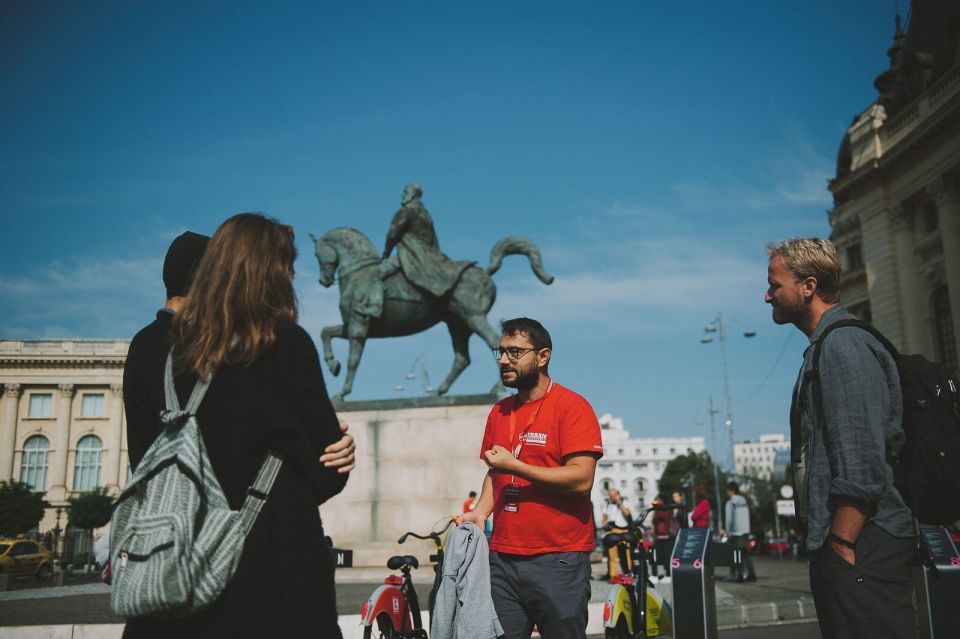
Your tour begins in Bucharest’s political core at Revolution Square, standing in front of the Carol I statue. It’s the only horse statue in the square, which makes it surprisingly easy to spot and less chaotic than starting at some random side street.
This opening matters. Bucharest isn’t just pretty buildings; it’s a city built around turning points. The square saw Romania’s modern revolution in 1989, when Nicolae Ceaușescu gave a rally speech that rapidly flipped into an uprising. A good guide turns the architecture into cause-and-effect: what stood for power, what came after, and why that shift still shapes how the city feels today.
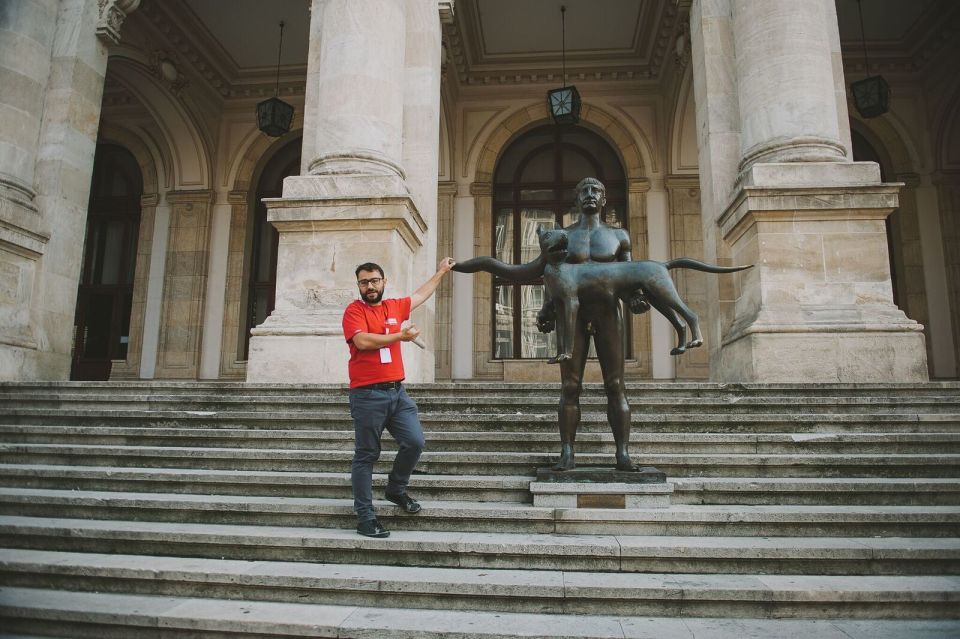
You’ll also see a cluster of key landmarks close enough to compare in one sweep: the former Royal Palace site, the Romanian Athenaeum (the main concert hall), and the Athenee Palace Hilton complex. That Hilton building was constructed in 1914 and has an especially spy-story reputation, which gives you a grounded, human scale to the city’s political era.
Practical tip: This is a good place to ask a question early—something simple like how to connect this walk to the next things you’ll see. When a guide is on their game, you’ll leave with a plan, not just facts.
You can also read our reviews of more walking tours in Bucharest



Victory Avenue: palaces and institutions on a single north-to-south thread

From Revolution Square, you head south along Victory Avenue. The name isn’t decorative. It ties to Romania’s War of Independence (1877), so the street becomes a timeline without needing a textbook.
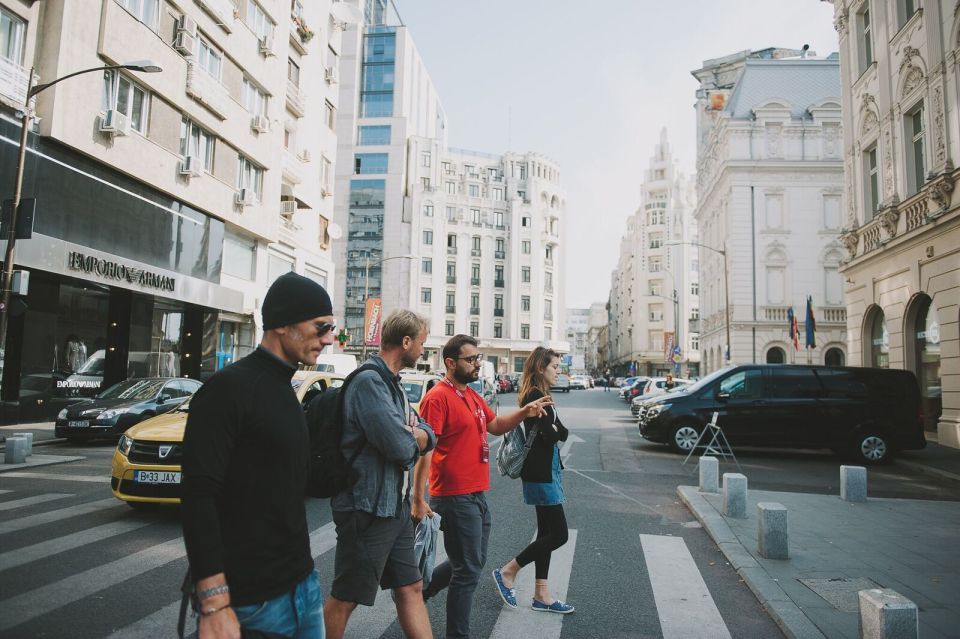
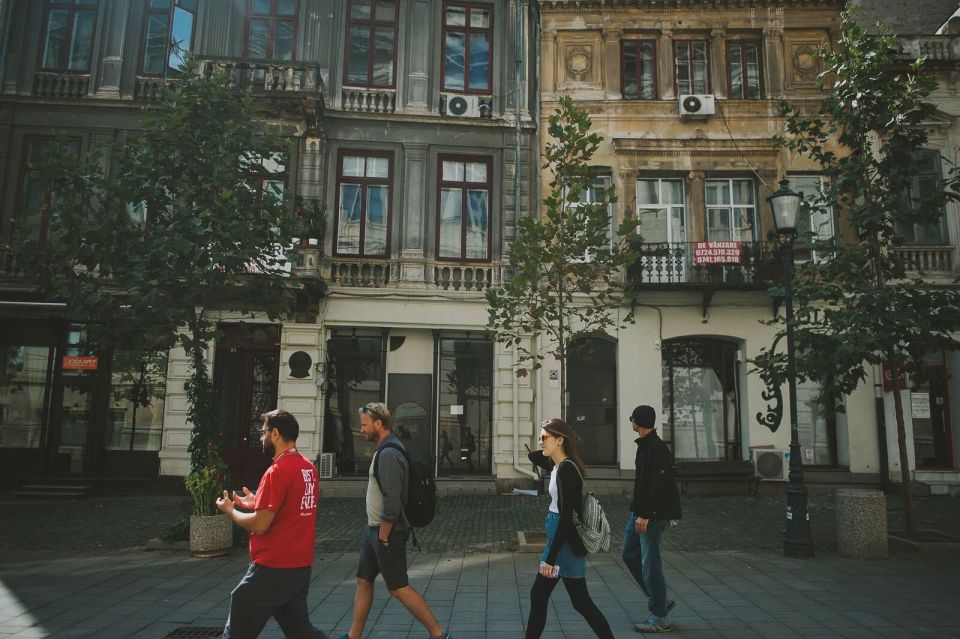
This section is about reading the city. You pass important buildings—palaces and museums—and you start noticing how Bucharest mixes formal grandeur with a more everyday, lived-in feel. The tour doesn’t just point at facades; it explains what each building represented and what kinds of people it served over time.
One stop that helps anchor the architectural side is Kretzulescu Church, one of the city’s best-known churches. Bucharest’s older religious buildings often carry a lot of visual weight for a small footprint, and a guide here can help you understand what you’re looking at rather than just admiring it.
If you love architecture, this stretch delivers. If you don’t, it still works because the stories are tied to why the city looks the way it does. Either way, you’re setting yourself up for Old Town, where the streets get older and the vibe gets more human.
Old Town lanes: medieval crossroads with real quiet pockets
Once the route reaches Bucharest’s Old Town, the atmosphere changes. This is the medieval core, described as a crossroads between East and West, where Ottoman figures and Transylvanian nobility rubbed shoulders. That matters because it explains why Bucharest feels like it has layers rather than one single uniform identity.
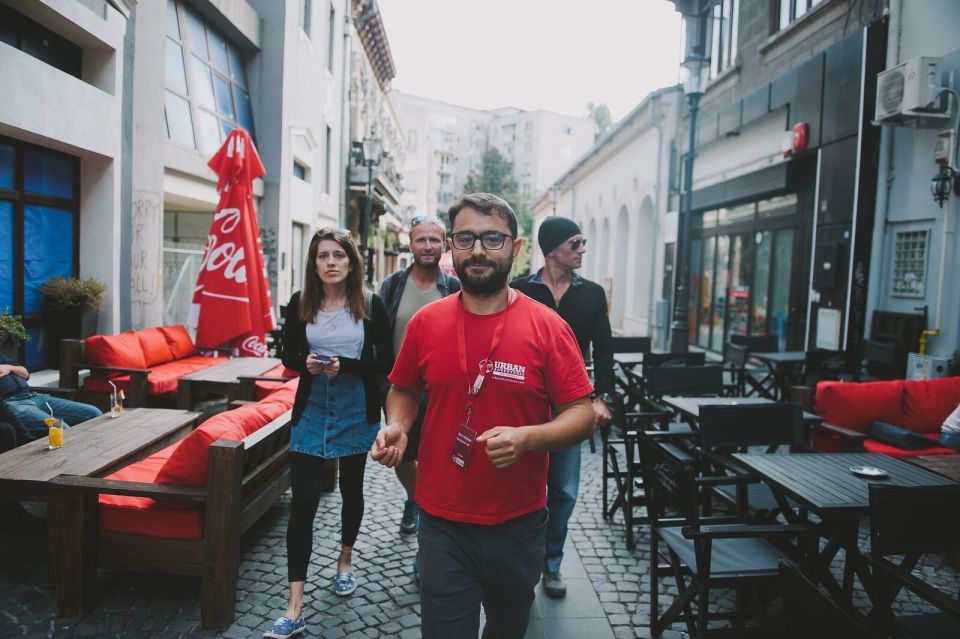
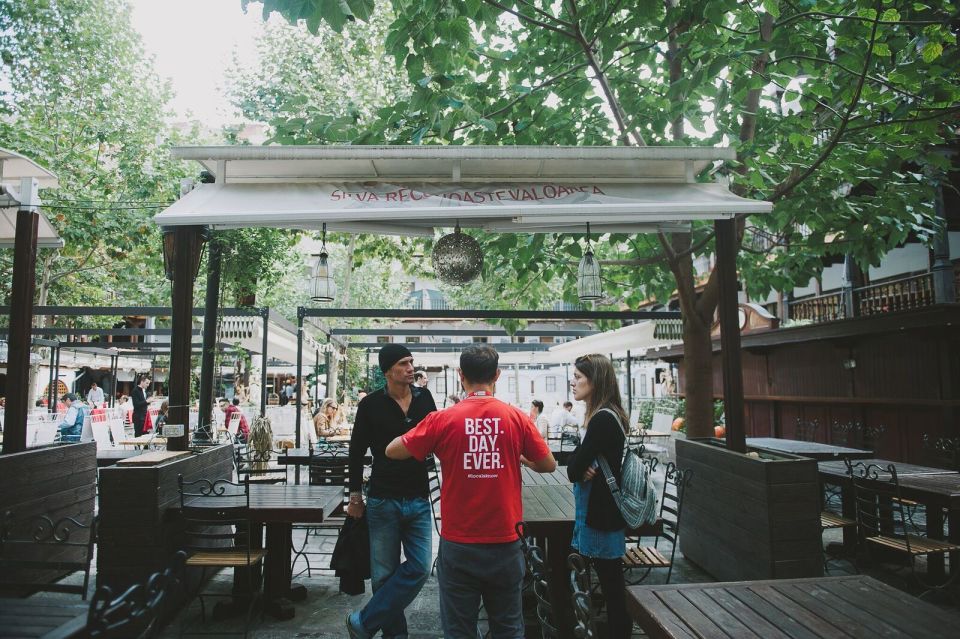
The streets here are winding and cobbled, lined with places to pause—bars, cafés, shops, and restaurants that locals actually use. You’ll move at walking speed, so you get the texture of the area: small doorways, narrow corners, and the way the city’s past feels close to your feet.
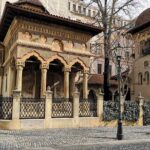
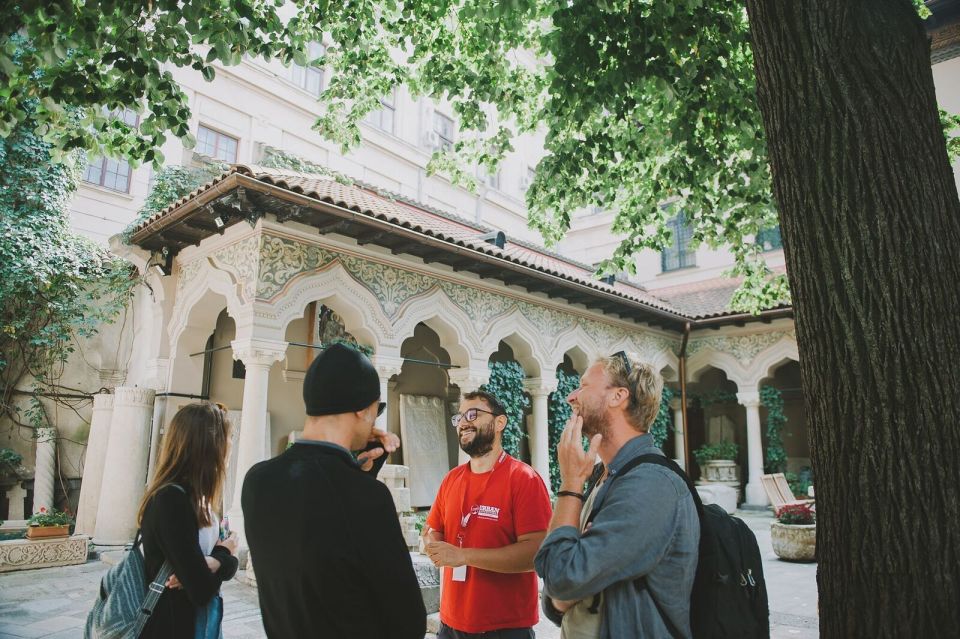
Then comes a smart contrast stop for anyone who gets street-fatigued: the courtyard of Stavropoleos Monastery. It’s a reminder that within an energetic city center, there are pockets designed for calm. If you’re traveling in warmer months, this is also a welcome break from walking in the open.
You’ll also get a look at Hanul Lui Manuc, a famous old wooden inn. Even if you’re not spending time inside a historical building, seeing it from the street helps you grasp how Bucharest hosted merchants and travelers long before today’s hotels and restaurants.
How to use this part: Keep your camera ready, but also take 20 seconds to look without shooting. Old Town rewards slow attention, and that’s the difference between collecting photos and understanding a neighborhood.
Carturesti Carusel: the bookstore that turns history into a pause
The most memorable “stop and breathe” moment for many people is the visit to Carturesti Carusel—often described as one of the most beautiful bookstores in the world. Even if you’re not a book person, this is worth the detour because it’s not just shelves. It feels like a built environment made for lingering.
A bookstore stop is a clever inclusion in a walking tour. The rest of the day is architecture, streets, and stories. Here, you get a change of pace. You can stand, look around, take in details, and let what you’ve learned connect in your head.
This is also where your tour’s snack moment blends in naturally. You’ll try covrig, a traditional Romanian street snack often described as a soft pretzel. It’s the kind of food that turns the city from a museum into something you can experience with your hands and taste buds.
If you’re the type who always wants to know what locals actually grab while walking, covrig is a strong choice because it’s widely known as the popular street option in Romania. It’s small enough to fit the tour rhythm, and it gives you that “I’m in the place” feeling without needing extra spending.
Food note: Additional food and drinks aren’t included. If you want more than the included snack, plan for it.
Where architectural stories get their punch: churches, inns, and the Old Town’s style
Not all stops here are “big ticket” landmarks, but that’s part of the value. Bucharest’s architecture is at its best when you compare many smaller pieces. Churches like Kretzulescu help you understand religious importance and style. Inns like Hanul Lui Manuc show the city’s commercial past. Courtyards like Stavropoleos Monastery teach you where people found calm.
And because the tour keeps moving, you don’t get stuck. Some walking tours fixate on one grand site and then rush through the rest. This one spreads the attention. That makes your brain less tired and your understanding more connected.
This also explains why people rate the tour so highly for explanation quality. Guides on this route tend to handle questions well, and you’ll often get practical next-step suggestions, like where to go after the tour and what to eat. Notes from different visits highlight guides such as Mara, Andrea, Elena, Alex, Anita, Ioana, and Adrian for clear explanations and friendly Q&A. If your guide has that same teaching style, you’ll feel like you got an orientation course, not a lecture.
You can also read our reviews of more tours and experiences in Bucharest






The Vlad Tepes finish: Old Princely Court ruins and a Dracula-shaped ending
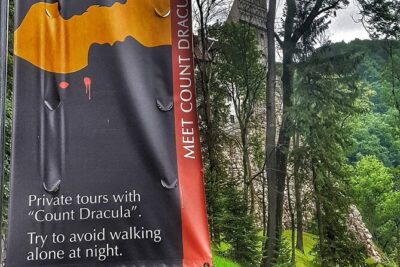
You end in front of the ruins of the Old Princely Court, a site dating to the 15th century. This is where the tour’s mystery and history fuse. The residence associated with Vlad Tepes—the inspiration for Dracula—is tied to these grounds.
Finishing at ruins is a smart trick. When you walk past working buildings, you sometimes forget what time has done. Ruins make time visible. They also create an emotional punctuation mark: you start with revolution and political power, and you end with a darker, more legendary figure linked to Bucharest’s stories.
If you’re a Dracula fan, you’ll likely enjoy this ending the most. But even if you’re not, it’s still a good way to close because it ties back to the theme of transformation. The city’s identity has always been shaped by who lived, ruled, fought, and built here.
Take a moment at the end to look around before you head off. A guided route is a sprint of context, but the meaning sticks when you pause for a few seconds on-site.
Price and pacing: is $53 for 3 hours worth it?
At $53 per person for a 3-hour small-group walk, the value comes from what you actually get covered in that short window: a guided route through major squares and Old Town streets, a meaningful bookstore visit (Carturesti Carusel), and an included traditional snack (covrig). You’re not paying just for walking. You’re paying for someone to connect the buildings to the stories, and for the “where should I go next” energy that often comes with a great guide.
The group is capped at 12 people, which keeps the experience from turning into a crowded herd. That size tends to work well for questions, pace control, and moments like the bookstore stop where you want a breather without feeling rushed.
Pacing is the final part of value. This is enough time to see a coherent route and get context, but not so long you feel trapped. One practical consideration: you’ll be on your feet for a solid chunk of the day, so shoes aren’t optional.
Best fit: First-time Bucharest visitors, history-curious travelers, and people who like a tight itinerary with time for independent wandering afterward.
Should you book this Bucharest walking tour?
Yes, if you want the fast path to understanding Bucharest as a place shaped by politics, architecture, and Old Town street life. This tour is especially good for your first day in the city because it gives you a framework for what to notice next, and it’s designed around stops you can’t easily replicate on your own without some guidance.
I’d skip it only if you already know Bucharest’s key buildings well and you’re looking for a longer, deeper neighborhood-by-neighborhood exploration. At three hours, you’ll get great orientation and memorable highlights, but it won’t replace a full-day dive into details.
If you want a smooth start in Romania’s capital, this is a smart bet.
FAQ
How long is the Bucharest 3-hour walking tour?
The tour lasts 3 hours.
Where do I meet the guide?
Meet at Revolution Square, in front of the Carol I statue.
Is the tour in English?
Yes. The tour includes an English-speaking live guide.
What’s included in the price?
The tour includes a local English-speaking guide and a traditional snack (covrig).
Is the group large?
No. The group is kept to a maximum of 12 people.
What should I wear or bring?
Wear comfortable shoes. In summer, it’s also recommended to bring sunscreen and something to cover your head.
Are children allowed?
Yes. Children ages 6 to 11 are permitted at the listed child rate. Children under 6 can join free of charge, as long as you inform the provider when booking.
Are food and drinks beyond the snack included?
No. Additional food and drinks are not included.
Can I cancel for a refund?
Yes. You can cancel up to 24 hours in advance for a full refund.
What’s the booking option if I’m flexible on dates?
You can typically reserve now and pay later to keep plans flexible.