REVIEW · BUCHAREST
Walking tour of Bucharest
Book on Viator →Operated by Mihnea Toncescu · Bookable on Viator
Bucharest clicks into place on foot. This 3–4 hour walking tour is built for first-timers and culture fans, with history-focused commentary and a route that mixes French influence, park life, and church architecture. You start at the French Institute and then move through the Ion Voicu and Icoanei green spaces before finishing at Biserica Icoanei.
I especially like the professional guide aspect: the stops are short, but the explanations are the point. I also like that many of the key moments are listed as free admissions, so you’re not paying to stand in lines at attractions you don’t really care about.
One thing to consider: getting inside the French Institute’s Reception Hall depends on whether it’s an operating day, so expect mostly exterior viewing if it’s closed.
In This Review
- Key things to know before you go
- Why this Bucharest walking route works so well for first-timers
- Meeting at the French Institute: easy start, clear location
- Stop 1: French Institute in Romania and the Reception Hall option
- Parcul Ion Voicu: a park that explains how Bucharest grew
- Gradina Icoanei near Ioanid Park: two parks, two different moods
- Stop at Biserica Icoanei: a lesser-known church with architectural payoffs
- What you gain from the guide: Mihnea Toncescu, plus humor and strong storytelling
- Price and value: $24.19 for a city-sense lesson
- How to prepare so the walk feels easy, not tiring
- Who should book this Bucharest walking tour
- Should you book it?
- FAQ
- How long is the Bucharest walking tour?
- What time does the tour start?
- Where is the meeting point?
- What language is the tour offered in?
- How much does the tour cost?
- What’s included in the price?
- Are entrance tickets included?
- What’s the group size limit?
- Are service animals allowed?
- What is the cancellation policy?
Key things to know before you go
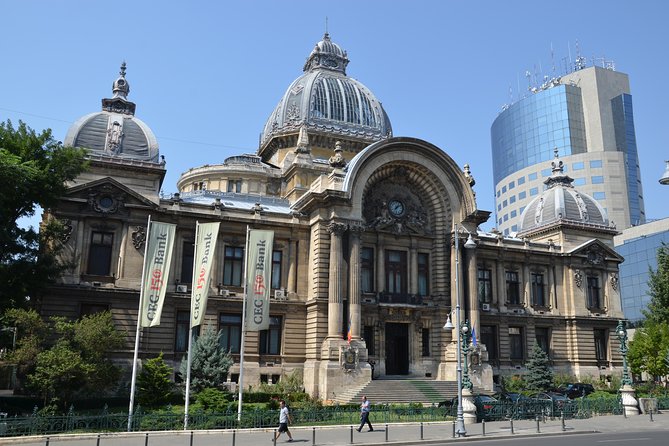
- French Institute start point with a possible look inside the Reception Hall on working days
- Parcul Ion Voicu connected to how Bucharest’s urban growth began around 1900
- Ioanid Park area + Gradina Icoanei for two different park vibes side by side
- Biserica Icoanei as a lesser-known church stop with notable local architecture
- Small group cap of 50 for a more conversational walking pace
- English offered, with the possibility of multi-lingual guidance depending on the departure
Why this Bucharest walking route works so well for first-timers
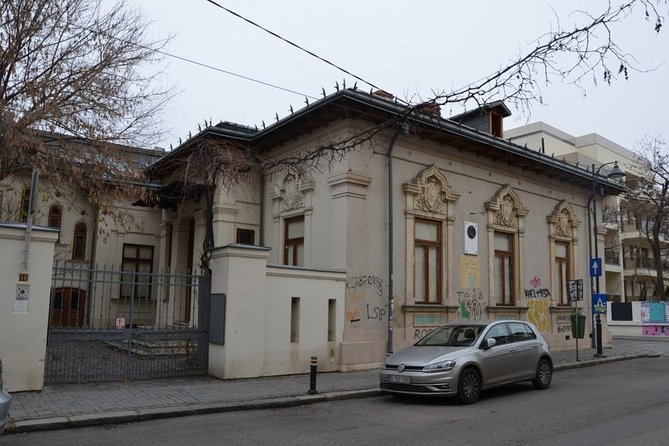
Bucharest can feel like a city of styles stacked on top of each other. This tour helps you sort them out fast by moving at a walkable pace and giving you context as you pass landmarks. Instead of trying to cram in one huge museum visit, you get a sequence of smaller places that add up to a clearer picture of the city.
The structure also keeps it realistic. You’re out for roughly 3 to 4 hours, with short stops that don’t drag. That’s a good match if you want history and architecture without losing half your day to transportation and ticket desks.
If you like cities where you can read the past in streets and buildings, this route is a smart choice. You’re led through parks and a church area that make sense together: green space, neighborhood growth, and what the community valued enough to build.
You can also read our reviews of more walking tours in Bucharest


Meeting at the French Institute: easy start, clear location
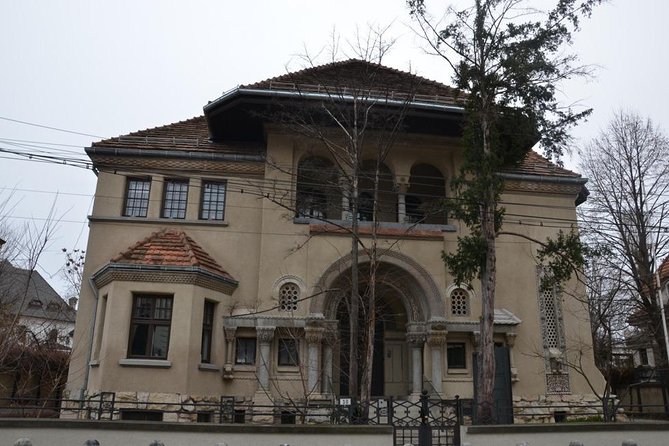
The tour meets at French Institute in Romania, Bulevardul Dacia 77 (020051). It starts at 10:00 am, and you return to that same spot at the end, so you don’t have to worry about navigating back across town.
This is also a practical neighborhood anchor. The meeting point is described as near public transportation, so you can arrive without a hassle. If you’re using a mobile plan, you’ll be using a mobile ticket, which is convenient for quick check-in and avoids paper scrambling.
One more small detail I appreciate: the start is an actual destination, not a random corner. Even before the walking begins, it sets the tone—French cultural influence in Bucharest, then you roll right into local parks and neighborhood landmarks.
Stop 1: French Institute in Romania and the Reception Hall option
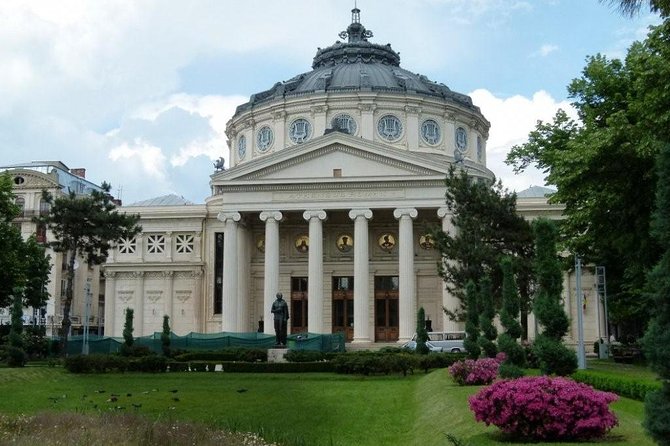
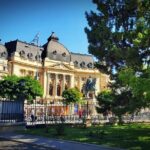
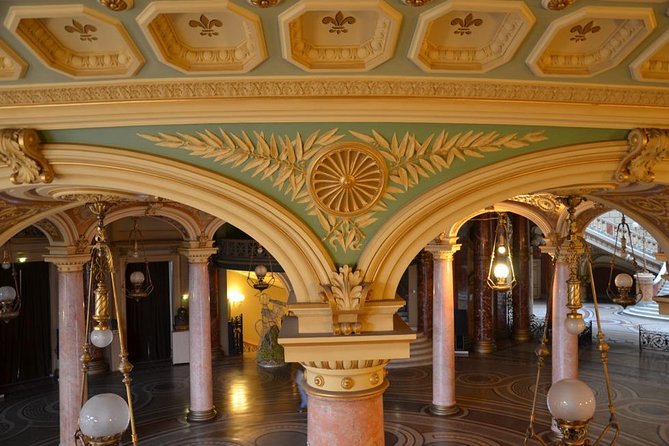
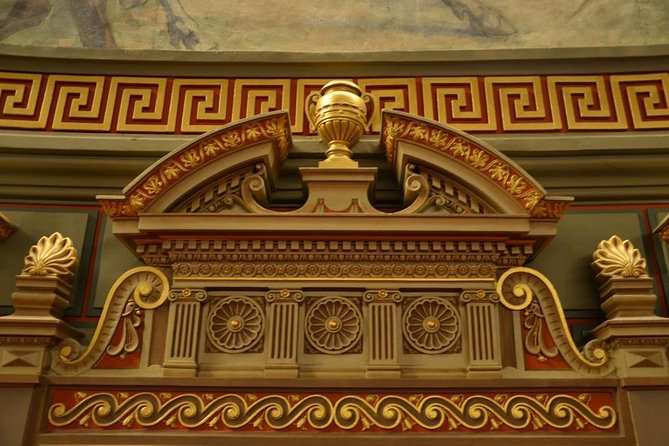
Your first moment is at the French Institute in Romania at Bulevardul Dacia 77. On working days, you may get a look inside the Reception Hall, where exhibitions are usually held.
That matters more than you’d think. A Reception Hall view can act like a “preview of the theme,” linking Bucharest’s cultural scene to French presence. Even if you only see the reception space and not a full exhibition, it gives you a different lens than parks and churches alone.
If the institute isn’t in operation that day, don’t treat it like a failure. The tour still moves forward through the parks and church area, which are the rest of the core story. I’d plan mentally for flexible access: you’re there for the city walk, and the interior view is a bonus.
Parcul Ion Voicu: a park that explains how Bucharest grew
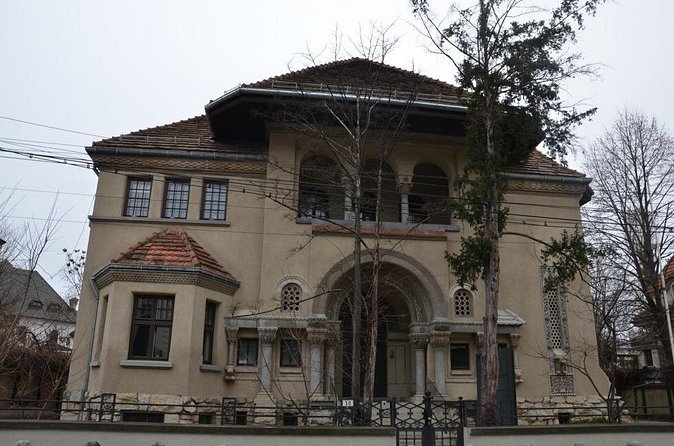
Next you head to Parcul Ion Voicu, and the focus here isn’t just greenery. The point is what the park area represents in Bucharest’s urban development, especially around the end of the 19th and the beginning of the 20th century.
This is where guided context turns a normal stroll into something sharper. Instead of treating houses and streets as background, you’re told stories about them—why they appeared, what “urbanisation” meant in this specific area, and how that era shaped the neighborhood texture you still see today.
There’s also a gentle tempo to this stop. With about a 25-minute window, you get enough time to walk slowly, look closely, and take in the architectural cues without being rushed. It’s a good moment to start noticing contrasts—older building lines, changing street patterns, and how the city’s identity shifted as it expanded.
Practical tip: wear shoes that handle uneven sidewalk sections. This stretch is part walking, part visual reading. You’ll want your pace to be comfortable so you can pause when the guide points something out.
Gradina Icoanei near Ioanid Park: two parks, two different moods
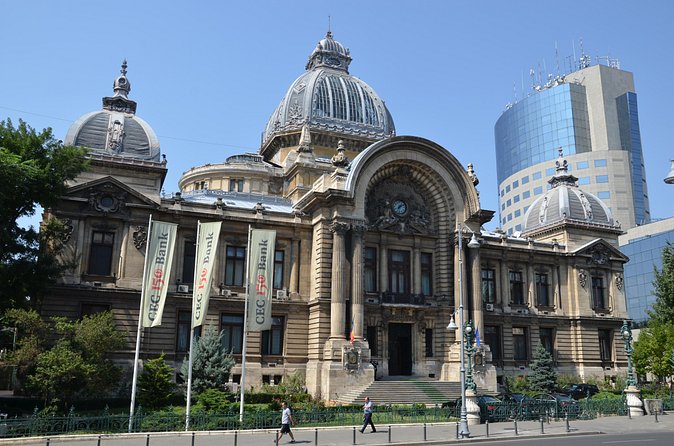
After Parcul Ion Voicu, the tour shifts into the Ioanid Park area and then into Gradina Icoanei. The key idea is that this park is next to Ioanid Park, but it feels different—an intentional contrast in the way space is used and perceived.
A 10-minute stop isn’t long, but it’s enough for a guided “comparison moment.” You’ll be learning how different green pockets can shape neighborhood life: where people linger, how paths frame views, and how the overall feel differs from one park to another even when they’re close together.
If you’re the kind of visitor who likes micro-lessons, this stop plays well. Parks in big cities can blur together unless someone gives you a reason to compare them. Here, the guide’s commentary is basically telling you what to watch for, so you’ll leave with something more than a blurry photo set.


Stop at Biserica Icoanei: a lesser-known church with architectural payoffs
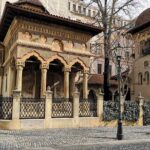
The tour’s church stop is Biserica Icoanei. The emphasis is that it’s a lesser-known church in Bucharest, and that it brings interesting architecture into the area.
This part works because it ties the neighborhood together. Parks explain space and growth; a church adds social meaning—what a community built, and what it wanted to project through design. Even without getting lost in dates, you’ll likely notice how the church contributes to the streetscape and what architectural choices make it stand out.
The stop is short—about 10 minutes—so you won’t spend the whole time reading stone like a restoration expert. But you will get enough orientation to understand why it’s worth a stop at all. It’s the kind of visit that makes you look up from your phone for a moment and actually register the building.
If you care about architecture but prefer reality over theory, this is a good balance. You’re not stuck in a long interior visit; you’re guided to see what matters in the setting.
What you gain from the guide: Mihnea Toncescu, plus humor and strong storytelling
This tour is led by Mihnea Toncescu, with the tour described as having a professional guide. The experience is explicitly offered in English, and it may be operated by a multi-lingual guide, which is useful if your group includes mixed language comfort levels.
What I think you should take seriously is the style described in the reviews: the guide is praised for strong knowledge and for keeping things engaging. One review specifically calls out Mihai as passionate and erudite, with excellent French mastery and plenty of humor. Another highlights the host’s city knowledge and the way the walk covers the core while pointing out varying architecture and history.
So, what does that mean for you on the ground? It means the tour likely won’t feel like a list of facts. Instead, it’s set up as a commentary walk—short stops, then explanation, then you look again with new eyes.
Also, since the group is capped at a maximum of 50 people, you’re more likely to get a guide who can keep the pace conversational rather than lecturing from far away. If you like asking questions, this structure usually gives you better odds than the mega-group tours.
Price and value: $24.19 for a city-sense lesson
At $24.19 per person, this is positioned as a budget-friendly way to get a guided overview of Bucharest’s cultural landmarks. For me, the value comes from two things: the professional guide time and the fact that key stops are listed as free admissions.
You’re not paying extra to access parks, and the stops are selected to deliver meaning without adding museum-style entry costs. The only caveat is the standard one: entrance tickets where applicable aren’t included. In practice, you’re set up for a mostly free-stop walk, but I’d still expect that if any internal ticket existed, you’d cover it yourself.
The “3 to 4 hours” duration also matters. At this price point, you’re buying guided use of your time. If you only had a day and you wanted the city translated into something readable, this is one of the cleaner ways to do it.
If you’re traveling in a group, there are also group discounts, which can make it even easier to justify compared with paying for multiple separate private guides.
How to prepare so the walk feels easy, not tiring
Because this is a walking tour, your comfort is the main variable. Bring comfortable shoes and plan for time outdoors in parks and around buildings. Stops are relatively short, but the route still requires steady walking.
Also, show up a bit early. The tour begins at 10:00 am at the French Institute address, and you’ll want to start on time so the guide can hit each stop at the pace they planned.
If you’re carrying a camera or phone, you’ll probably use it. This kind of city walk is about noticing architecture and small spatial details. The best photos often come when you pause after the guide explains what to look for—so don’t treat it like a pure sightseeing sprint.
Service animals are allowed, and the tour is described as near public transportation. That combination tends to make it workable even when you’re not renting a car.
Who should book this Bucharest walking tour
This is a great match if you:
- are visiting Bucharest for the first time and want a guided “read” of the city core
- like culture-focused walks that mix parks and architecture
- prefer a short, efficient tour length over a full-day program
- want English commentary with a professional host
It may feel less ideal if you want a heavy museum experience or long indoor stops. The French Institute interior look is dependent on working days, and the rest of the route is mostly outdoors plus a church stop.
If you enjoy learning in small doses and then spending your free time exploring nearby on your own, this tour can be a strong starting move. You’ll leave with names and places to anchor your later wandering.
Should you book it?
If your goal is a practical Bucharest introduction—parks, a notable church stop, and city history tied to place—this tour is an easy yes. The price is reasonable, the route is efficient at about 3 to 4 hours, and the guide-led commentary is a big part of the experience. Add in the fact that many stops are listed as free admissions, and it’s a good way to get value without nickel-and-diming your budget.
Book it especially if you want a guide who can explain what you’re seeing, not just where to stand for photos. If you’re hoping for guaranteed time inside the French Institute, keep your expectations flexible and treat that Reception Hall look as a bonus.
FAQ
How long is the Bucharest walking tour?
It lasts about 3 to 4 hours.
What time does the tour start?
The start time is 10:00 am.
Where is the meeting point?
You meet at French Institute in Romania, Bulevardul Dacia 77, București 020051, Romania.
What language is the tour offered in?
It is offered in English, and the guide may be multi-lingual depending on the departure.
How much does the tour cost?
The price is $24.19 per person.
What’s included in the price?
A professional guide is included.
Are entrance tickets included?
Entrance tickets are not included where applicable. The listed admissions for the stops are free.
What’s the group size limit?
The tour has a maximum of 50 travelers.
Are service animals allowed?
Yes, service animals are allowed.
What is the cancellation policy?
You can cancel for a full refund up to 24 hours in advance. If you cancel less than 24 hours before the start time, the amount paid is not refunded.