REVIEW · BUCHAREST
3 Days Private Tour Wallachia and Transylvania from Bucharest
Book on Viator →Operated by Romania Private Guide · Bookable on Viator
One myth links Wallachia to Dracula.
This private 3-day trip from Bucharest strings together Snagov Monastery (with its controversial Vlad Tepes story) and Peleș Castle (the Romanian royal summer residence), then follows the Transylvania trail through Bran, Brasov, Sighișoara, Sibiu, and Cozia. What I like most is the mix: medieval legend plus major sights you can actually see and walk around, and the fact that you get a licensed English-speaking guide/driver working for your group the whole time. The only drawback to plan for is that the tour price does not include your accommodation, meals, or most attraction tickets, so the final cost depends on where you stay and which entrances you choose.
What I appreciate is how the days are paced: you get several focused stops (not a blur of look-and-run), and you also get built-in breathing room like the Brasov Old Town break. I also like the practical flexibility: the operator mentions the itinerary can be adjusted even after the tour starts, which matters when you’re trying to match your energy level with tight visiting hours.
The consideration: because the tour runs by car between multiple towns, you’re committing to travel time every day. If you hate being in a vehicle for hours, you may feel it by Day 2 or Day 3.
In This Review
- Quick Highlights That Matter
- From Bucharest to Transylvania: How This 3-Day Route Works
- Snagov Monastery: Vlad Tepes’s Disputed Story in a Quiet Setting
- Peleș Castle: Royal Romania’s Fairytale (With Tickets to Plan For)
- Sinaia Monastery (Manastirea Sinaia): A Short Stop With Strong Atmosphere
- Brasov Old Town Break: A Real Pause Instead of Another Drive-by
- Bran Castle (Dracula’s Castle): Famous for a Reason, Best With a Plan
- Cetatea Rupea Fortress: The Basalt Cliff Stop That Feels Like a Find
- Sighișoara Old Town: The Citadel That Still Has People in It
- Sibiu’s Cultural Power in 2 Free Hours
- Calimanesti and Cozia Monastery: Fortified Calm by the Olt River
- Private Guide Perks: Why Nicolas-Style Service Can Matter
- Price and Value: What $997.35 Per Person Really Covers
- Packing and Timing Tips for This Kind of 3-Day Route
- Who This Tour Fits Best (and Who Might Feel Frustrated)
- Should You Book This Wallachia and Transylvania Private Tour?
- FAQ
- How long is the 3 Days Private Tour Wallachia and Transylvania from Bucharest?
- Is pickup offered for this tour?
- Is this a private tour or a group tour?
- Will there be an English speaking guide/driver?
- What is included in the price?
- Are accommodation and meals for me included?
- Are entrance fees included?
- Which stops are listed as free for admission?
- Are mobile tickets used for this experience?
- What is the cancellation policy?
Quick Highlights That Matter
- Private car + guide/driver all day, so your schedule doesn’t depend on a bus.
- Snagov Monastery and the Vlad Tepes question, a story that’s part history, part debate.
- Peleș Castle and Sinaia Monastery near each other, an easy pairing of royal and spiritual stops.
- Rupea Fortress on a basalt cliff, a stronger “walkable views” choice than another cookie-cutter castle stop.
- Sighișoara Citadel (built 1280) stays inhabited, so it doesn’t feel like a staged set.
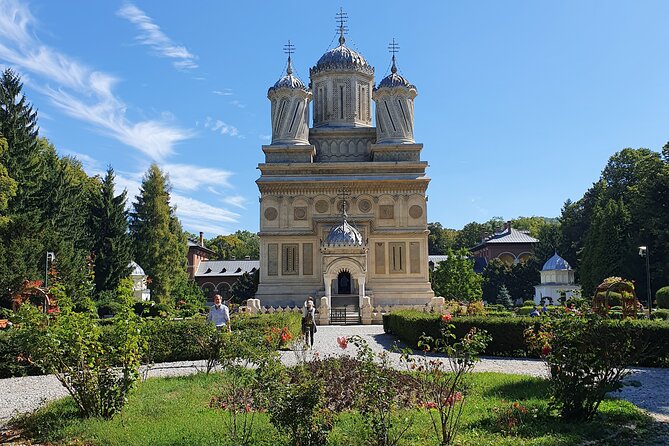
- Cozia Monastery and the Calimanesti spring, a slower ending after the famous Dracula route.
From Bucharest to Transylvania: How This 3-Day Route Works
This is a true private tour—your group is the only group in the car. That sounds like marketing, but it matters in Romania: distances between towns can add up, and a fixed group schedule can turn sightseeing into waiting.
The route is also smart in how it balances “headline” stops and supporting ones. Day 1 focuses on Wallachia connections around Snagov and royal/Orthodox sites near Sinaia. Day 2 shifts deeper into Transylvania with Brasov, Bran, and Rupea Fortress. Day 3 finishes with Sighișoara and Sibiu—both major cultural targets—then ends in Calimanesti with Cozia Monastery and the local spring.
The best way to get value out of this kind of itinerary is simple: decide what kind of photos you want. If you love castles, Bran and Peleș are obvious. If you love towns that feel lived-in, Sighișoara is the star. If you want quieter views, Rupea and Cozia are your payoff.
You can also read our reviews of more private tours in Bucharest

Snagov Monastery: Vlad Tepes’s Disputed Story in a Quiet Setting
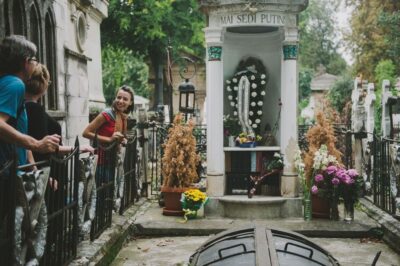
Snagov Monastery is the kind of place where the setting is calm, but the story is not. The tour frames it around a highly controversial account of Vlad Tepes’s death and the idea that monks could have moved and buried his remains at Snagov in front of the altar to be sanctified.
Plan for about 1 hour 30 minutes at the monastery. Entrance is not included in the tour price, so you’ll want to budget for it when you total your trip costs. What to do with your time there is more about reading the space than racing through it. Monasteries like this reward slow looking: the religious setting, the burial tradition claims, and the way the site ties into the larger Vlad myth.
This stop works especially well if you’re the type who likes context. Bran is famous for Dracula branding, but Snagov is where you start seeing how the Vlad legends and Romanian identity stories got braided together over time.
Peleș Castle: Royal Romania’s Fairytale (With Tickets to Plan For)
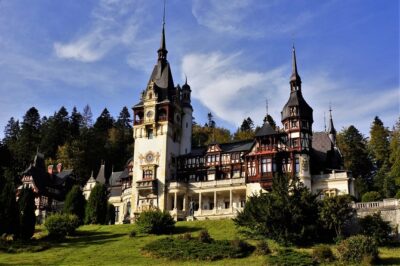
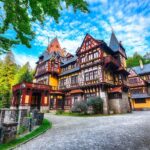
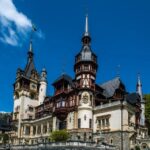
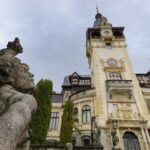
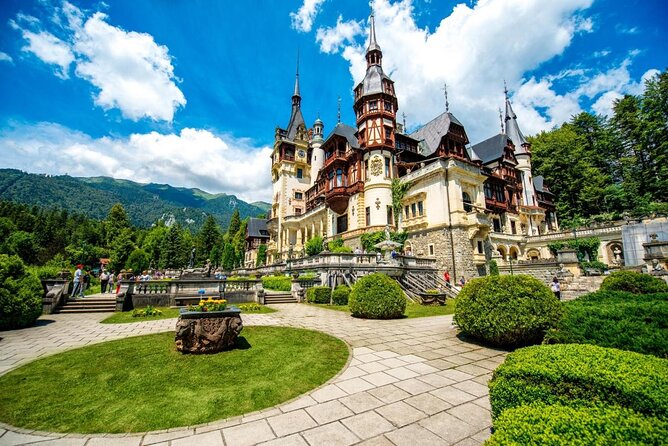
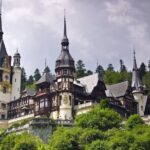
Then you jump to Peleș Castle, and it’s easy to see why it’s on so many “best of Romania” lists. This is the Romanian royal family’s summer residence, and it gets attention for good reason: it’s one of those castles that doesn’t feel like a random stone box. It’s set up for visitors, and the experience is built around seeing details up close.
You’ll have about 1 hour 30 minutes here. Again, admission tickets are not included. So, treat this as a “main-ticket” stop when you make your budget. If you’re the kind of person who likes architecture, sculptures, interiors, and rooms rather than just exterior photos, Peleș will likely justify its place in the itinerary.
Practical note: Peleș and Sinaia are near each other, which makes Day 1 feel smoother than itineraries where you backtrack across the country.
Sinaia Monastery (Manastirea Sinaia): A Short Stop With Strong Atmosphere
Sinaia Monastery is the quick breath of Day 1. The tour describes it as over 300 years old and calls it the Cathedral of the Carpathians, largely because of how it sits in a mountainous resort area.
You’ll have about 30 minutes, and admission is not included. That short time is a plus if you want one spiritual moment without burning the day. The monastery is also described as the first construction in the territory founded by Prince Mihai Cantacuzino, with a name inspired by Mount Sinai after a pilgrimage.
One thing I like about this stop is its positioning: it’s close—about 500 meters—to Peleș Castle. So you can enjoy a royal site, then switch gears to Orthodox worship space, without feeling like you’ve lost hours to logistics.
Brasov Old Town Break: A Real Pause Instead of Another Drive-by
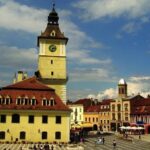
Day 2 starts with Brasov and includes a 90-minute break for the Old Town and lunch. The tour gives you time for a walk, a few key views, and food without turning your day into a sprint.
Admission for this stop is listed as free. That’s a good sign for value because Brasov is where you can reset your stamina. If you’ve been on the road since the morning in a private car, this buffer matters. You’ll also have a bit of flexibility within the time window, which makes it easier to match the stop to how hungry you are and how much walking you can handle.
If you’re picky about cities, Brasov can feel like a “real place” rather than a castle-only day. You’ll get enough time to get your bearings and then move on.
You can also read our reviews of more tours and experiences in Bucharest
Bran Castle (Dracula’s Castle): Famous for a Reason, Best With a Plan
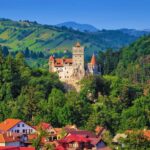
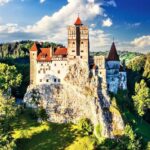
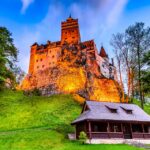
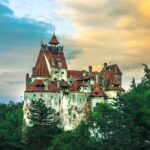
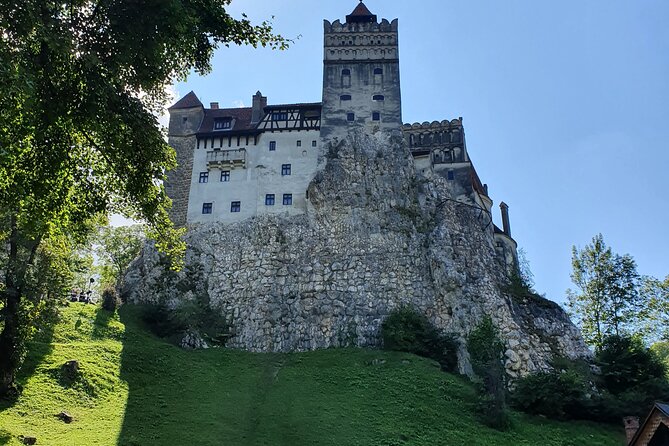
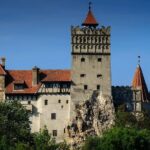
Bran Castle is the stop most people know first. The tour calls it Dracula’s Castle and positions it as the most visited Romanian tourism attraction. That popularity comes with two realities: it’s busy, and it can tempt you into rushing.
You’ll have about 2 hours here, and admission tickets are not included. Your best use of time is to treat the castle as a story experience. Focus on what you can see inside and the layout—rather than trying to outsmart the crowds by sprinting.
Also, think of Bran as a branding landmark, not a deep academic lecture. This is where the Dracula connection is strongest. If you want more grounded context, pair it with earlier Vlad Tepes storytelling from Snagov and you’ll get a fuller picture across the three days.
Cetatea Rupea Fortress: The Basalt Cliff Stop That Feels Like a Find
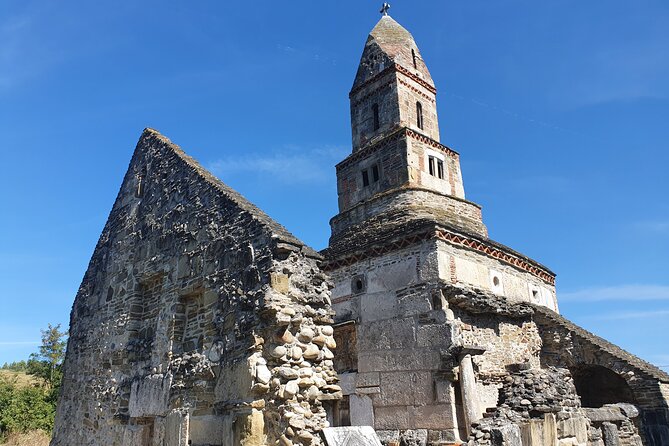
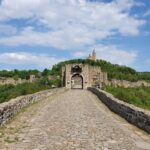
If you want at least one stop that doesn’t feel like it belongs on every “top 10 Romania” reel, Rupea Fortress is it. The tour describes Cetatea Rupea as a medieval fortress built by Transylvanian Saxons and first mentioned in a 1324 document.
What makes it special is the setting: it sits on a 120-meter high basalt cliff. The tour also notes it was restored in 2010–2013 and that by 2014 it was visited monthly by more than 10,000 tourists. That means it’s not totally off the map, but it’s still quieter than the biggest headline sites.
You’ll have about 1 hour. Admission is not included. If you like forts and views, this is one of the best tradeoffs on the route: a shorter time commitment with a strong sense of place and elevation.
Sighișoara Old Town: The Citadel That Still Has People in It
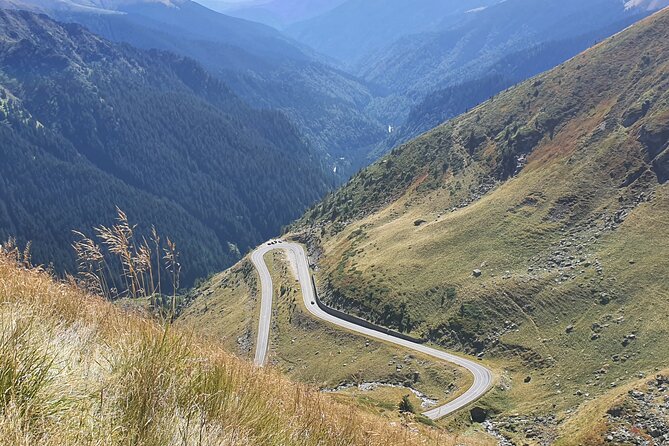
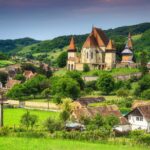
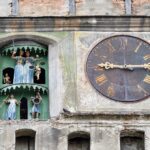
Day 3’s first stop is Sighișoara, and it’s one of the reasons this tour feels different from a pure “castle checklist.” The tour says the morning starts with a walking tour of Sighișoara Old Town, including the Clock Tower and the Arms Museum.
Time is about 2 hours, and admission is free for this portion. That’s a notable value win because Clock Tower and Arms Museum are clear, paid-at-many-places types of stops.
Sighișoara is described as a medieval town and citadel built in 1280 that has remained inhabited for over 700 years, which is rare for fortress towns. It also ties into the Dracula/Vlad narrative by pointing out Vlad’s place of birth.
If you’ve ever been disappointed by medieval sites that feel dead, Sighișoara helps. It’s not only about what’s preserved—it’s about the town continuing to function.
Sibiu’s Cultural Power in 2 Free Hours
Sibiu is the next big cultural hit. The tour offers a 2-hour city tour that includes the Evangelical Cathedral, the Sibiu Old City Center, and the town itself.
Admission is listed as free here too. In a trip where some major sights require paid tickets, it’s smart that Sibiu gives you a major cultural package without adding entrance costs.
Sibiu is also described as being elected as the European Capital of Culture. Even if you don’t track that award day by day, it helps explain why Sibiu tends to feel polished, with enough structure for walking tours and enough character to reward you when you wander off the main path.
The best way to enjoy Sibiu on a limited schedule is to pick your rhythm: do a short focused route with the guide first, then use what’s left to slow down in the Old Town center.
Calimanesti and Cozia Monastery: Fortified Calm by the Olt River
The final day closes with Calimanesti and Cozia Monastery. Cozia is described as guarded for over 600 years, located on one side by the Olt river and the other by Mount Cozia.
You’ll have about 1 hour 30 minutes, and admission is listed as free. That gives you a longer wrap-up moment compared to some other stops. The itinerary frames the monastery as fortified, built to protect against invaders, and gives it a near-mythical “Garden of Eden” kind of feel.
Then there’s the Calimanesti Spring note: the tour mentions that drinking from the spring is said to help with liver problems, and that Napoleon III used to drink there. Treat this as local tradition rather than a medical guarantee, but it’s still a fun detail because it anchors the trip in how people have believed in the spring for generations.
This is a good ending if you want your trip to cool down after castles and citadels. It feels like the tour intentionally shifts from legend and architecture to atmosphere and reflection.
Private Guide Perks: Why Nicolas-Style Service Can Matter
This tour’s included items are where the value lives, even when ticket prices aren’t. You get:
- A private car (tourism or minibus) just for your group
- A private, licensed English-speaking guide/driver available the whole time
- Wi‑Fi in the car
- All car expenses like gasoline, parking, and road tolls
- Hotel recommendations based on your budget
- The ability to make flexibility changes to the daily itinerary even after it starts
That flexibility is not a luxury detail. With a route this packed, it helps if someone needs to slow down, someone is more interested in a particular site, or your timing is affected by the real world (lines, weather, or simply energy levels).
There’s also a real example of this kind of care: the guide Nicolas was praised for going out of his way to help a family accomplish what they wanted to see, and for understanding a child’s special needs by finding ways to adapt during the day. You don’t get that kind of service by accident. It’s the difference between a driver who follows a script and someone who actually manages the day.
Price and Value: What $997.35 Per Person Really Covers
At $997.35 per person for a private 3-day tour, this is not a budget trip. The upside is that you’re paying for private logistics and expert guidance across multiple regions.
Included in the price:
- Your private car and all driving costs
- The licensed English-speaking guide/driver
- Guide accommodation, meals, and entrances (for the guide)
- Wi‑Fi in the car
- A hotel recommendation service
Not included:
- Your accommodation
- Your meals and beverages
- Entrance fees as per the itinerary
In other words, ticket costs for you can still add up—especially at stops like Peleș Castle and Bran Castle where admissions aren’t included. But the tour’s structure helps you plan: several key stops have admission listed as free (like Brasov, Sighișoara, Sibiu, and Calimanesti), which balances out the paid-ticket sites.
So the value question becomes: are you the type who wants to avoid constant figuring-out, and do you prefer a private guide over public transport? If yes, the price makes more sense. If you’d rather DIY and use trains/buses, you could likely spend less—at the cost of time and reduced control.
Also, if you can travel with friends or family, a private tour can feel more reasonable. Even small group dynamics change how well a private car pays off.
Packing and Timing Tips for This Kind of 3-Day Route
You don’t need special gear, but you do need the right mindset: this itinerary is about walking at multiple stops and being in the car between them.
Bring:
- Comfortable shoes for uneven stone and stairs (especially around fortresses and castle areas)
- Layers, because Carpathian-area weather can shift
- A small bottle of water and snacks for the car
- Patience for ticket lines at the major paid sights
And before you go, add a quick budget note for non-included admissions. If you’re the type who hates surprises, that single step can make the whole trip feel smoother.
Who This Tour Fits Best (and Who Might Feel Frustrated)
This tour fits best if you want:
- A private plan with a guide who can manage the day
- A strong Romania storyline: Vlad/Tepes roots, royal grandeur at Peleș, Dracula-branded Bran, then lived-in medieval life in Sighișoara
- A mix of major towns and at least one lesser-known fortress stop (Rupea)
You might feel frustrated if:
- You dislike castle-heavy days
- You’re trying to keep costs ultra-low, since many key attractions’ entrances are not included and accommodation/meals are on you
- You prefer to travel completely on your own without relying on a car and set timing
Should You Book This Wallachia and Transylvania Private Tour?
Yes, if you want a well-run private route that connects the big names with the sites that add texture—Snagov’s Vlad Tepes story, Peleș Castle’s royal feel, Rupea Fortress’s cliff setting, and Sighișoara’s still-inhabited medieval walls.
Before booking, do two quick checks:
- Estimate entrance costs for the paid stops (you’ll likely feel them in your final budget).
- Choose accommodations that match your pace—since you’ll be moving daily, sleep quality and location matter.
If you value convenience, guidance, and the freedom to adjust the day when needed, this is a strong choice. And if Nicolas is your guide, the service style described for his care and adaptability is exactly what you want when a trip has multiple moving pieces.
FAQ
How long is the 3 Days Private Tour Wallachia and Transylvania from Bucharest?
It runs for about 3 days.
Is pickup offered for this tour?
Yes, pickup is offered.
Is this a private tour or a group tour?
This is a private tour/activity, and only your group will participate.
Will there be an English speaking guide/driver?
Yes. A private, licensed English speaking guide/driver is available throughout the tour.
What is included in the price?
The price includes the private car, the guide/driver service, accommodation/meals/entrances fee for the guide, Wi‑Fi in the car, all car expenses (gasoline, parking, road tolls), and hotel recommendations.
Are accommodation and meals for me included?
No. Accommodation, meals, and beverages are not included.
Are entrance fees included?
Entrance fees as per the itinerary are not included. Some stops are listed as free (like Brasov, Sighișoara, Sibiu, and Calimanesti), while others are listed as not included.
Which stops are listed as free for admission?
Brasov (admission ticket free), Sighișoara (admission ticket free), Sibiu (admission ticket free), and Calimanesti (admission ticket free).
Are mobile tickets used for this experience?
Yes, it includes mobile tickets.
What is the cancellation policy?
You can cancel for free up to 24 hours in advance for a full refund. If you cancel less than 24 hours before the start time, no refund is provided.